Physical Address
304 North Cardinal St.
Dorchester Center, MA 02124
Physical Address
304 North Cardinal St.
Dorchester Center, MA 02124
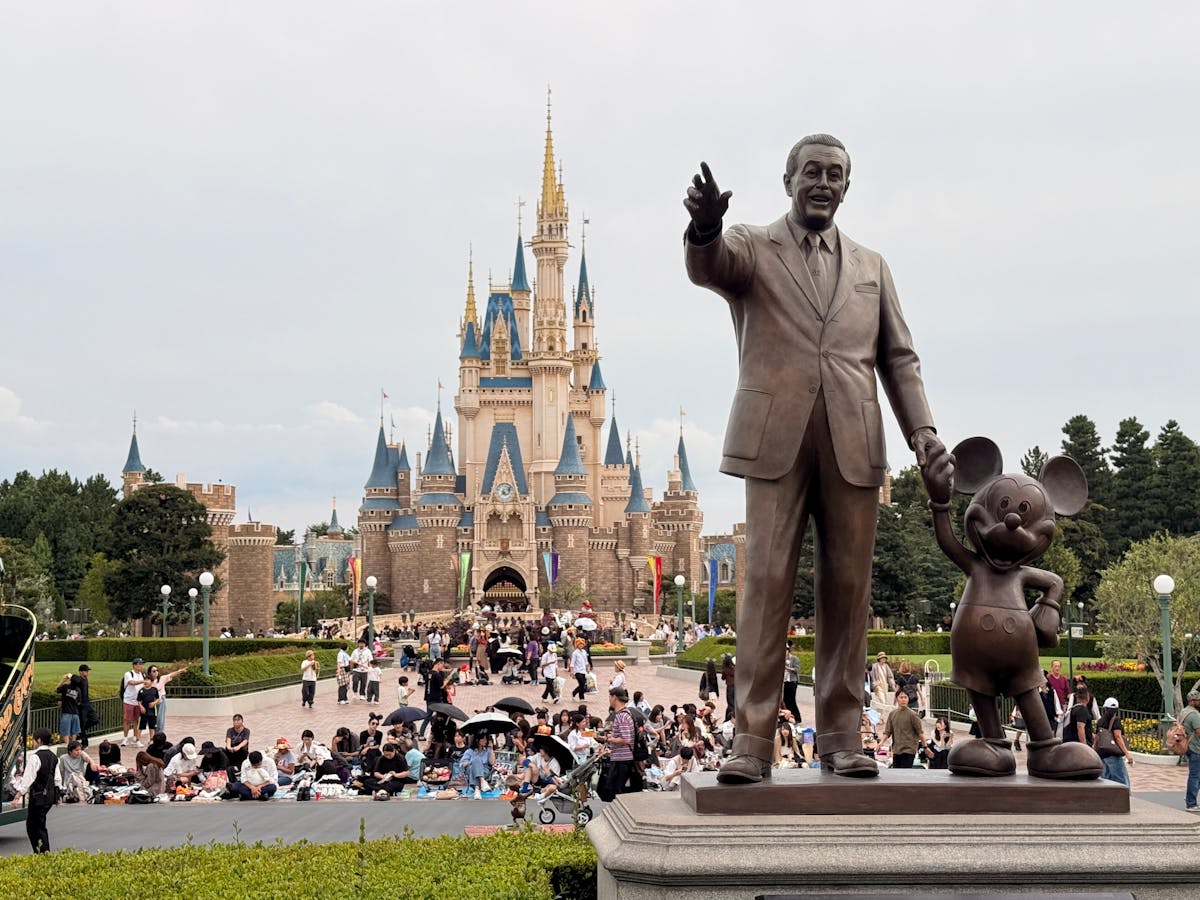
Tokyo Disney Resort has two parks and you probably only have time for one. Disneyland or DisneySea? If you’re travelling with kids, the answer depends almost entirely on their ages.
We’ve broken down both parks by what actually matters to families: ride options by age, stroller logistics, food that kids will eat, and how to avoid the biggest mistakes first-timers make.
Kids under 7: Tokyo Disneyland. More rides they can actually go on, better character access, and the parades are the best of any Disney park worldwide.
Kids 8 and up: DisneySea. It’s unlike any theme park on the planet — built around a volcano and harbour instead of a castle. The theming is extraordinary, the rides are more exciting, and Fantasy Springs (opened 2024) added a whole new area that older kids go crazy for.
Mixed ages: If you’ve got a toddler and a tween, lean toward Disneyland. The older kid will still have a great time, but the younger one will be locked out of too many DisneySea rides.
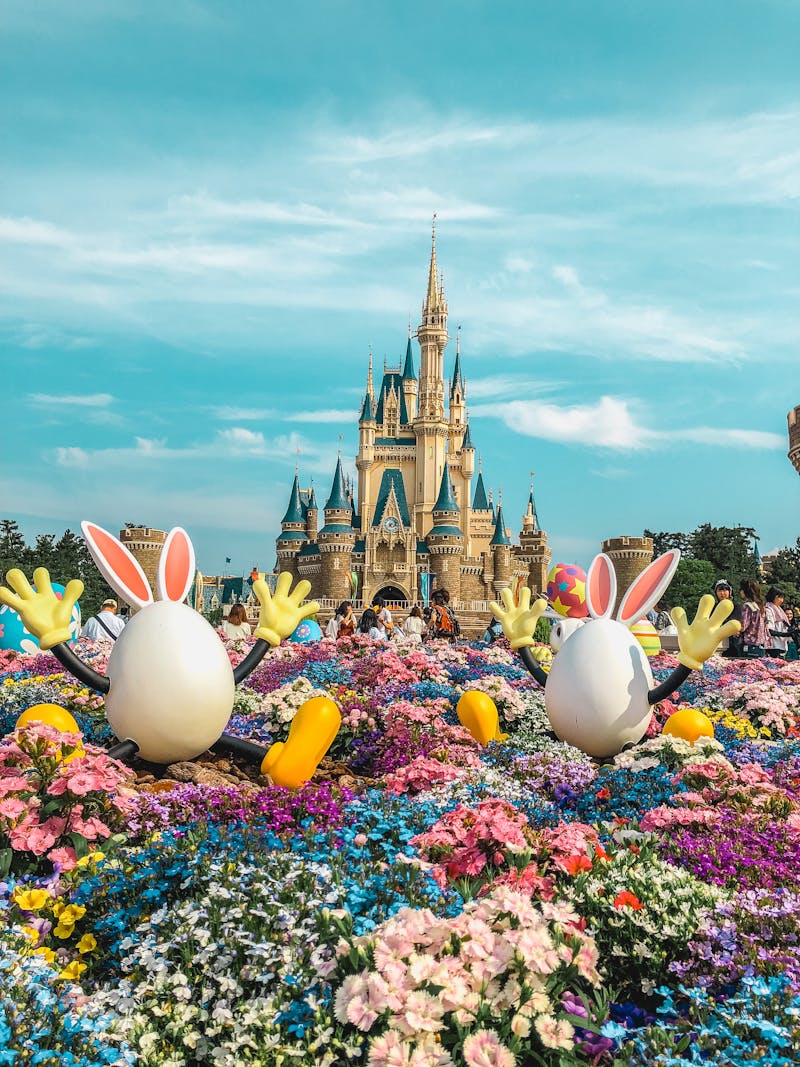
This is the “castle park” — if your kids have seen any Disney movie and imagined visiting the castle, this is the one. It shares DNA with the parks in California, Florida, and Paris, but the Tokyo version is widely considered the best-maintained of them all. The attention to detail in every area is noticeably a level up.
Disneyland is where younger kids shine. They can actually ride things here, which isn’t always the case at DisneySea.
Toon Town also has splash pads, play areas, and you can walk through Mickey and Minnie’s houses. Pop-up character meets happen here throughout the day.
This is where Disneyland genuinely beats DisneySea for families. The parades run right past you at kid height — characters make eye contact, wave at your children specifically. DisneySea rarely does parades at all.
The nighttime electrical parade (Dreamlights) is worth staying for. Grab a spot 30-45 minutes early if you want your kids at the front.
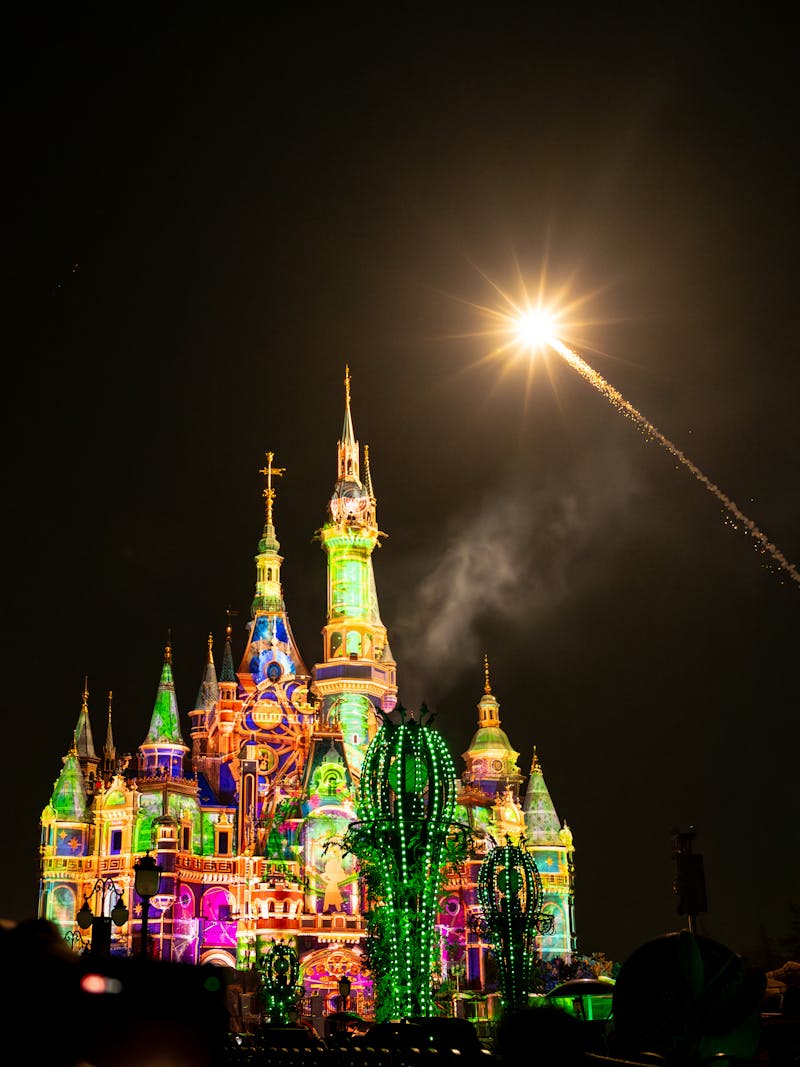
DisneySea doesn’t exist anywhere else. Instead of a fairytale castle, the park is built around a harbour with a volcano (Mount Prometheus) at its centre. The theming is darker, more adventurous, and genuinely impressive even for adults who usually find theme parks cheesy.
This is the newest area and the main reason DisneySea attendance has spiked. Three zones — Frozen, Tangled, and Peter Pan — with rides that are some of the best Disney has ever built anywhere. The Frozen ride alone is better than the Epcot version by a wide margin.
The catch: Fantasy Springs uses a separate priority pass system and it’s extremely popular. You’ll need to enter the pass lottery through the Tokyo Disney Resort app the moment the park opens. It’s not guaranteed — some days the passes are gone within minutes. Don’t promise your kids they’ll definitely get in.
DisneySea skews older. Toddlers will find fewer options here.
Ages 4-7:
Ages 8+:
You cannot buy tickets at the gate. Both parks require advance purchase, and popular dates sell out weeks ahead.
Where to buy:
Prices (2026): Adult tickets are around ¥7,900-10,900 depending on the day (weekends and holidays cost more). Children aged 4-11 are ¥4,700-5,600. Under 4 is free.
Park hopper tickets exist but are only available during certain periods (January-March 2026 currently). Even when available, don’t try to do both parks in one day with kids. It’s too much. Pick one and do it properly.
The official Tokyo Disney Resort calendar shows opening and closing hours for each day. Some days the parks close as early as 6:30pm. Shorter days mean fewer crowds — actually useful if you’re with young kids who won’t last past 6pm anyway.
Both parks are in Urayasu, about 15 minutes from Tokyo Station on the JR Keiyo Line to Maihama Station. From Maihama, the Disney Resort Line monorail connects to both parks and the resort hotels.
If you’re coming from Shinjuku or Shibuya, it’s about 40-50 minutes door to door. Budget extra time in the morning — the trains to Maihama get packed on weekends.
Neither park will win any culinary awards, but there are differences worth knowing.
Disneyland has shorter food lines. If there’s a snack sold at both parks (popcorn flavours, churros), buy it at Disneyland where you’ll wait less. Popcorn flavours unique to Tokyo include honey, curry, and soy sauce butter — the curry one is surprisingly good.
DisneySea has more “proper” food — sit-down restaurants with international options, grilled meats, and seafood. Better for families with older kids or adults who want more than hot dogs. But the queues for popular spots like the Vulcania Restaurant can hit 45 minutes at peak times.
Both parks: bring a water bottle. Drinks are expensive and the parks are big. Refill stations exist but aren’t well signposted — ask a cast member.
Stroller rental: Available at both parks for ¥1,000/day. They’re basic umbrella strollers. If your kid is used to a specific stroller, bring your own — you’ll be walking 15,000-20,000 steps.
Disneyland is easier with strollers. The paths are wider, the layout more straightforward. DisneySea has more stairs, hills, and narrow bridges that make stroller navigation harder.
Baby care centres exist at both parks with nursing rooms, changing tables, hot water for formula, and baby food for sale. They’re clean and well-stocked — one of the things Tokyo Disney does better than the US parks.
Coin lockers are available outside both park entrances in multiple sizes. Stash bulky bags before you go in.
Skip the agonising — here’s the decision tree:
Whichever park you pick, book tickets early, download the Tokyo Disney Resort app before you arrive, and get to the gates 30 minutes before opening. The first hour is when lines are shortest and you can knock out 3-4 rides before the crowds build.