
Family travel · FAMILY TRAVEL
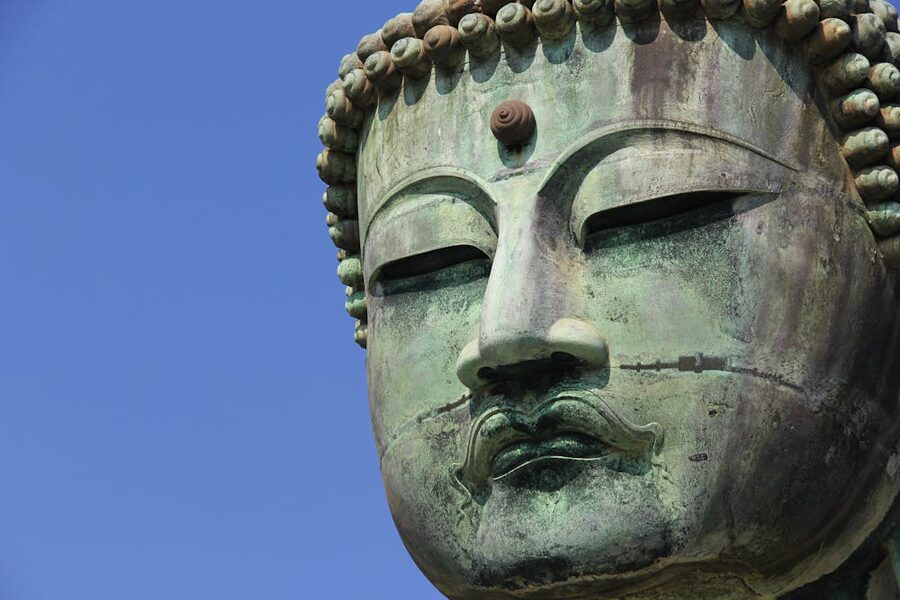
The Giant Buddha in Kamakura With Kids
Kamakura was one of those day trips we almost didn’t do. With only two weeks in Japan and so much already packed in, adding another stop felt like a stretch. But it’s just 30 minutes from Tokyo, and honestly, it ended up being one of our favourite days of the whole trip. A giant outdoor Buddha, temples with secret caves, a shopping street full of snacks, and a beach to finish the day — Kamakura has a lot going for it when you’re travelling with kids.
In This Article
Getting There From Tokyo
Kamakura is an easy day trip from central Tokyo. We took the JR Yokosuka Line from Tokyo Station and were there in about 30 minutes. If you have a JR Pass, it’s fully covered. You can also take the Enoden Line from Kamakura Station to hop between the main sights along the coast, which our kids loved — it’s a cute little tram-style train that runs right through residential streets.
We arrived around 9:30am and left after dinner, which felt like plenty of time to see everything without rushing.
The Great Buddha at Kotoku-in
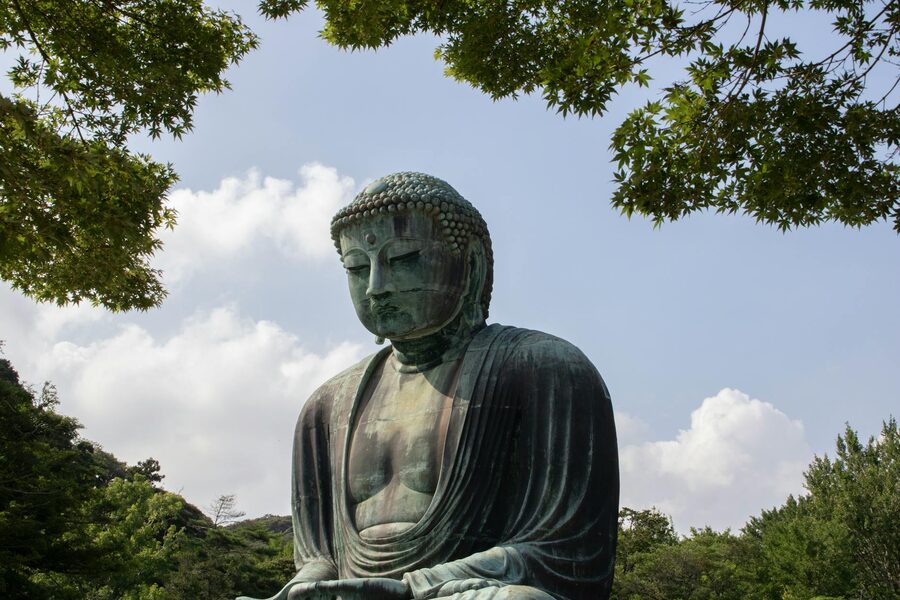
This is the big one — literally. The Great Buddha (Daibutsu) is a 13-metre bronze statue that sits outdoors, and it’s been here since 1252. Our kids had seen photos but were still genuinely impressed when we walked through the gate and saw it for the first time. There’s something about the scale of it that photos just don’t capture.
For an extra ¥50, you can go inside the statue. It’s a tight squeeze and there’s not much to see in there, but our kids thought it was hilarious that they were “inside Buddha’s tummy.” Admission to the grounds is ¥300 for adults and ¥150 for kids. We spent about 40 minutes here.
Hase-dera Temple
A short walk from the Great Buddha, Hase-dera became our kids’ favourite spot in Kamakura. The temple itself is lovely, perched on a hillside with views over the ocean, but what really got our two excited were the caves. The Benten-kutsu cave system runs under the temple grounds, and inside you’ll find small carved statues lining the walls. It’s dimly lit and atmospheric — our seven-year-old called it “the adventure part.”
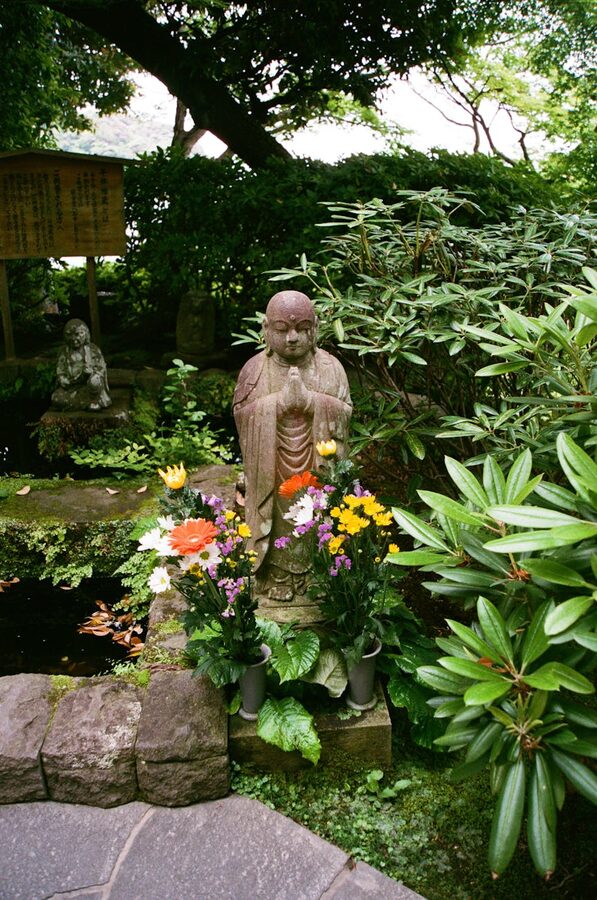
Up on the main terrace, the garden has a beautiful view of the coastline. There’s also a Jizo garden with rows of small stone statues wearing red bibs, which led to a lot of questions from the kids about what they meant. Admission is ¥400 for adults and ¥200 for children.
Komachi-dori Shopping Street
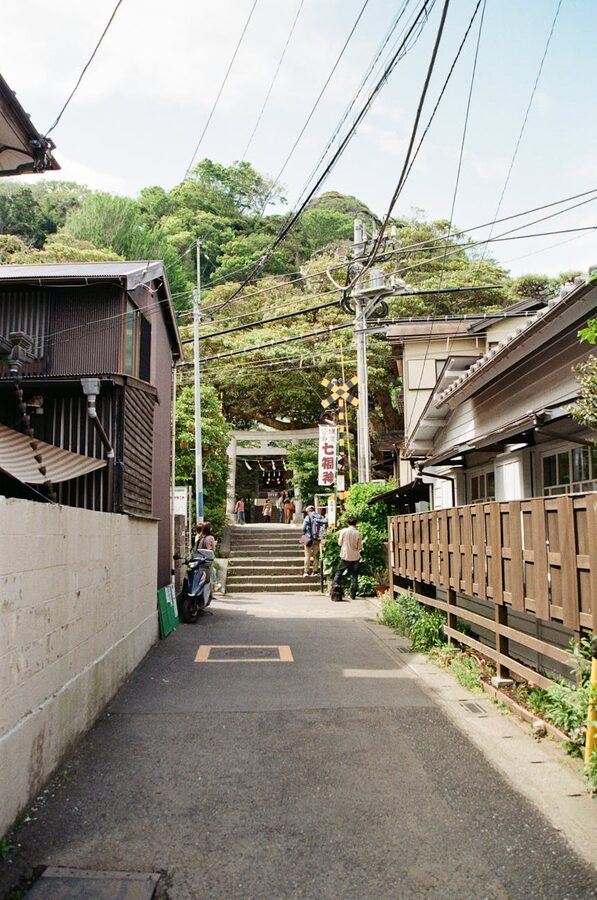
Running from Kamakura Station towards Tsurugaoka Hachimangu Shrine, Komachi-dori is a pedestrianised shopping street that’s basically a food crawl waiting to happen. We grabbed matcha ice cream (¥350), tried some freshly grilled senbei rice crackers (¥200), and the kids insisted on getting purple sweet potato soft serve because of the colour.
There are also plenty of souvenir shops selling everything from wooden swords to cat-themed trinkets. Budget at least 45 minutes for this street if you’re with kids — we ended up spending over an hour because someone needed to inspect every single shop.
The Beach
If you’re visiting in summer (roughly July to August), Yuigahama Beach is a great way to end the day. It’s a wide, sandy beach just a 10-minute walk from Hase Station on the Enoden Line. We visited in late July and it had a relaxed, local feel — nothing like the packed city beaches you might expect.
There were beach huts renting umbrellas and selling shaved ice, and the water was calm enough for our kids to wade in without us worrying. Even outside of swimming season, it’s a nice spot for a walk along the shore.
Practical Tips
Start at the Great Buddha and Hase-dera in the morning before the crowds build, then work your way back towards Kamakura Station via the Enoden Line. Save Komachi-dori for the afternoon when you need snack fuel.
There are coin lockers at Kamakura Station if you want to dump bags. Pushchairs work fine on the main streets but Hase-dera has a lot of steps. We found it easiest to carry our toddler in a carrier for the temple visits.
If you’re building a wider Japan itinerary, Kamakura slots in easily as a half-day or full-day trip from Tokyo. Pair it with Yokohama if you want to make it a bigger day out. For us, it was the perfect change of pace from the intensity of Tokyo — slower, greener, and with enough variety to keep everyone happy.