Physical Address
304 North Cardinal St.
Dorchester Center, MA 02124
Physical Address
304 North Cardinal St.
Dorchester Center, MA 02124

Tokyo is one of those cities where your hotel location can make or break a family trip. Pick the wrong neighborhood and you’ll spend half your vacation crammed on rush-hour trains with two cranky toddlers and a stroller that won’t fold. Pick the right one and everything just clicks — the parks are close, the convenience stores are on every corner, and the train station is a three-minute walk away.
We’ve stayed in five different Tokyo neighborhoods across multiple trips with our kids (ages 4 and 7 on our most recent visit), and the differences are real. Here’s what actually matters when you’re choosing where to base your family.
If this is your first time in Tokyo with young children, stay in Ueno. Full stop.
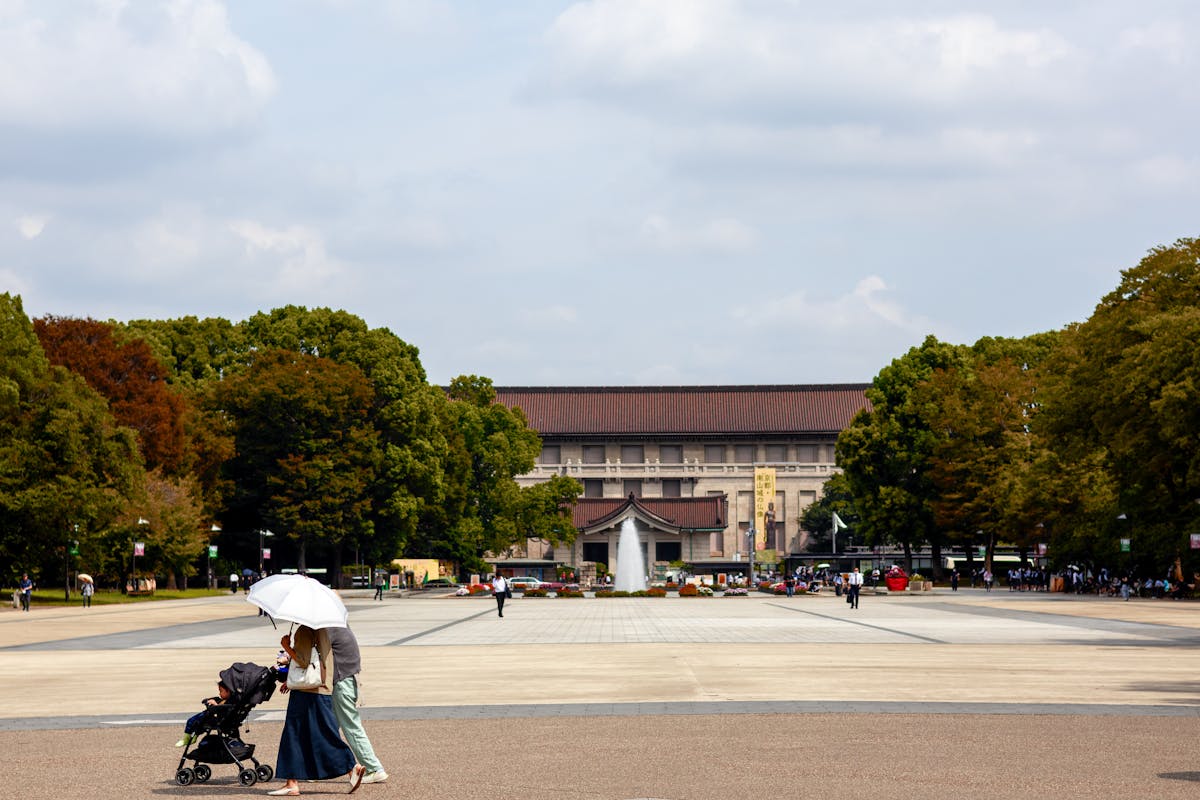
It’s quieter than the big-name districts. The pace is slower. And Ueno Park — which is massive — gives your kids a place to run around when they hit that inevitable wall of overstimulation that Tokyo delivers by day two. The park alone has the Ueno Zoo (admission is just 600 yen for adults, free for kids under 12), the Tokyo National Museum, a huge pond where you can rent swan-shaped paddle boats for around 700 yen per half hour, and wide open paths shaded by trees.
The area around Ueno Station has a comfortable, lived-in feel. It’s not flashy. You won’t find the neon spectacle of Shinjuku or the fashion-forward energy of Shibuya. What you will find is Ameyoko Market, a loud and chaotic open-air market street running under the train tracks where your kids can try fresh fruit on sticks, taiyaki (fish-shaped pastries filled with sweet red bean), and cheap yakitori skewers for 100-200 yen each. It’s the kind of place kids actually enjoy because there’s stuff to look at and eat every ten steps.
Transport-wise, Ueno is a direct shot to most major areas. The Ginza Line takes you to Shibuya in about 30 minutes. The Yamanote Line circles the whole city. And Ueno Station connects to the Skyliner, which is the fastest route to Narita Airport (36 minutes, 2,520 yen for adults). Having that direct airport connection when you’re hauling luggage and children is worth more than people realize.
For hotels, the Mitsui Garden Hotel Ueno is solid — clean, modern, and right next to the station. Expect to pay around 15,000-22,000 yen per night for a room that fits a family. The Hotel Graphy Nezu, a short walk away in the charming Nezu neighborhood, has a more boutique vibe with a shared kitchen and common space, running about 12,000-18,000 yen. Both are within easy walking distance of the park and station.
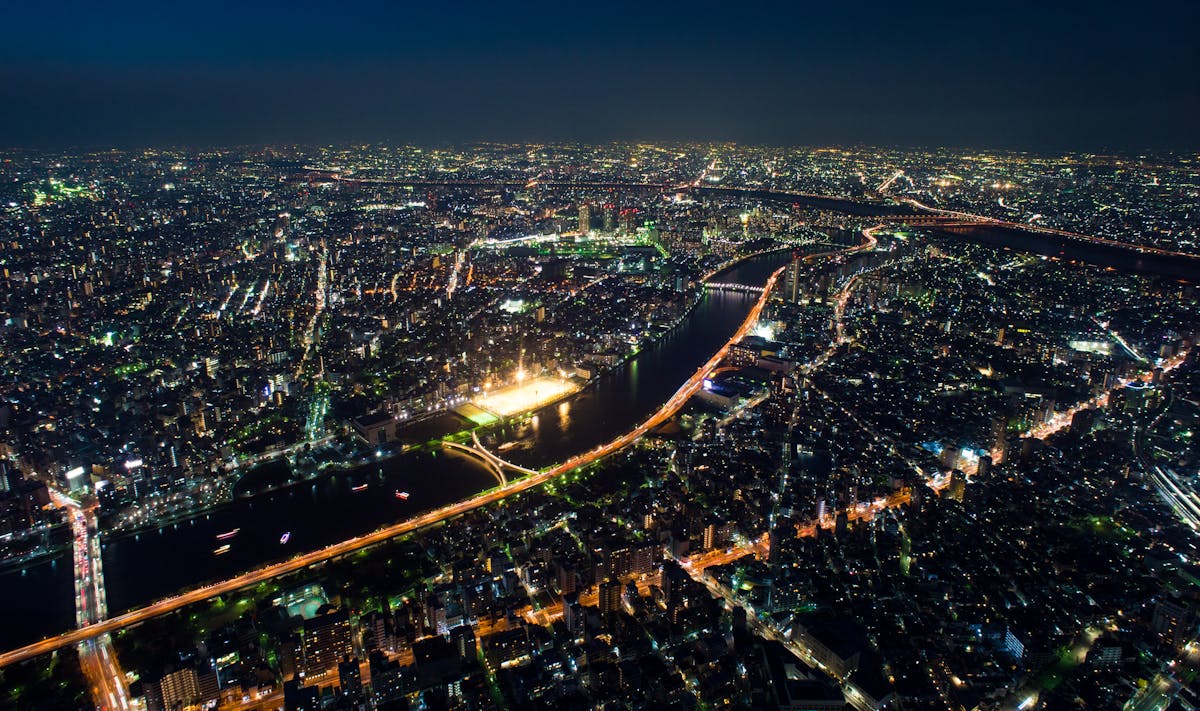
Let’s be honest about Shinjuku. Every travel guide calls it “the perfect base” because of the train connections, and they’re not wrong about the transport part. Shinjuku Station is the busiest railway station on earth — over 3.5 million people pass through it daily — and from here you can get almost anywhere in Tokyo and beyond. The express trains to Hakone, Mount Takao, and other day-trip destinations leave from here. That’s genuinely useful.
But.
Shinjuku Station is also a confusing labyrinth that has made grown adults cry. I’m not exaggerating. There are 200+ exits. The signage, while better than it used to be, still requires a working knowledge of which railway company you need (JR? Odakyu? Keio? Tokyo Metro? Toei Subway?). Now imagine navigating that with a double stroller and a five-year-old who needs the bathroom immediately.
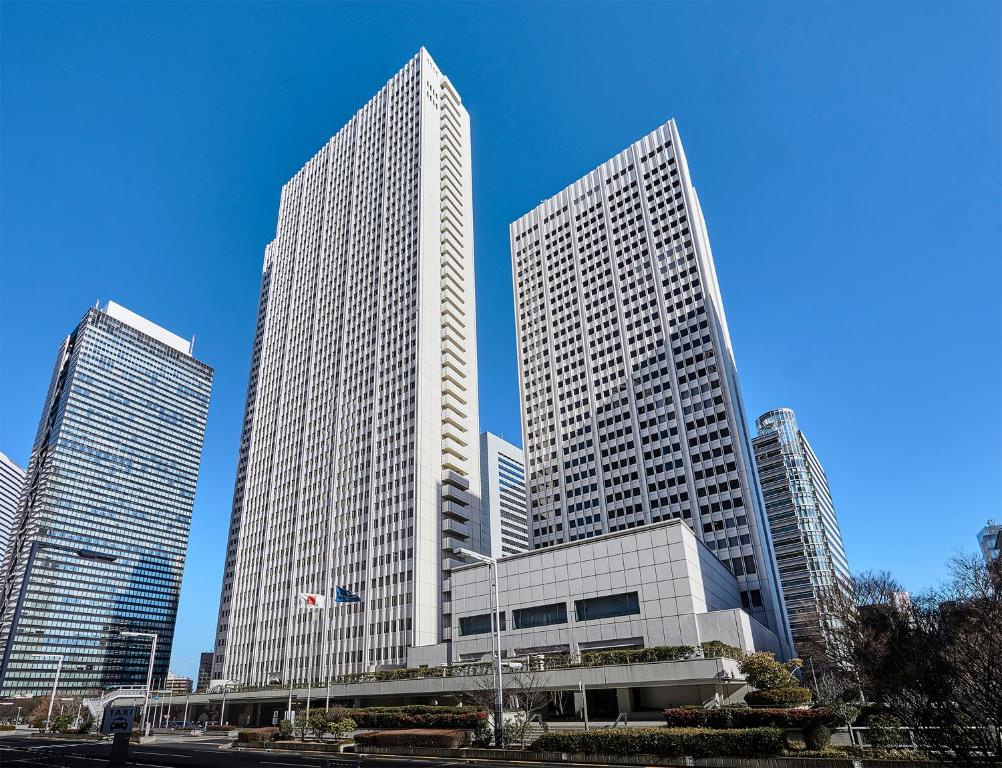
The west side of Shinjuku is all business hotels and office towers. Fine, but boring for kids. The east side has Kabukicho, Tokyo’s red-light district, which isn’t dangerous but is definitely not the atmosphere most families are going for at night. The south side around Takashimaya Times Square and the Southern Terrace is actually the most family-friendly part — calmer, with some nice restaurants and a walkable feel.
If you do choose Shinjuku, the Keio Plaza Hotel on the west side is a reliable pick for families. It’s a large, established hotel with rooms that can accommodate four people, a swimming pool, and staff who are used to international families. Rooms for a family of four start around 25,000-35,000 yen per night. Not cheap, but the space and amenities offset the cost. The Hotel Sunroute Plaza Shinjuku is a more budget-friendly option near the south exit at around 14,000-20,000 yen, though rooms are tight.
My honest take: Shinjuku is better for families with older kids who can handle crowds and walk longer distances. For families with kids under 6, it’s more hassle than it’s worth. You’ll spend the convenience you gain on trains losing it in the station itself.
Shibuya is cool. Your teenagers will think it’s cool. The famous Shibuya Crossing is fun to watch from the Starbucks above (yes, it’s touristy, but your 13-year-old will want the photo). The shopping along Center-Gai and in Shibuya 109 is exactly the kind of thing older kids and teens get excited about. Harajuku and its famous Takeshita Street are a short walk or one train stop away — crepes, quirky fashion shops, and people-watching that’ll keep teenagers entertained for hours.
For younger kids though? Skip it. The crowds are dense. The restaurants tend to be in basements or up narrow stairwells. Street-level navigation is chaotic. There isn’t a major park within easy toddler-walking distance (Yoyogi Park is close to Harajuku but a solid 15-minute walk from Shibuya Station proper, and that’s adult pace).
The Shibuya Excel Hotel Tokyu sits directly above the station with views of the crossing from some rooms. It’ll cost you around 20,000-30,000 yen per night, and the location is hard to beat if Shibuya is your priority. The Sequence Miyashita Park is a newer option connected to the rooftop Miyashita Park, which actually does give kids some outdoor space. Rooms start around 16,000 yen.
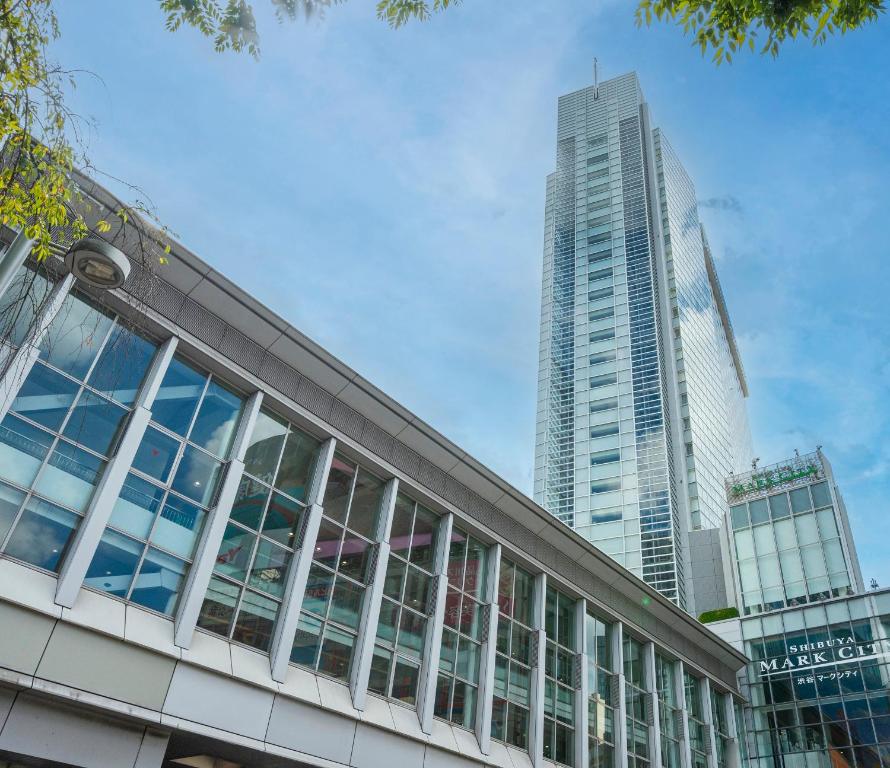
If your itinerary includes shinkansen day trips — Kyoto, Osaka, Kamakura, Nikko — then staying near Tokyo Station makes serious logistical sense. You can roll out of your hotel at 7 AM and be in Kyoto by 9:15 AM. No fighting through transfer stations with luggage. No extra 30-minute commute just to reach the bullet train platform. When you’re traveling with tired kids who fell asleep on the return train, that short walk back to the hotel is a gift.
The Tokyo Station area itself is surprisingly good for families. The station has an underground shopping complex called First Avenue Tokyo Station that includes Tokyo Character Street — a long corridor of shops dedicated to Japanese characters like Rilakkuma, Snoopy, Hello Kitty, Studio Ghibli, and others. Kids go wild. There’s also a Ramen Street in the basement with eight top ramen shops, and bowls run about 1,000-1,400 yen each. Right outside the station, the Marunouchi side has wide European-style boulevards that feel refreshingly open compared to most Tokyo neighborhoods.
The Imperial Palace East Gardens are a five-minute walk from the station. Free admission. Huge lawns. Actual space. It’s one of the rare places in central Tokyo where your kids can genuinely run free without you worrying about traffic or crowds.
Hotels here tend to be pricier. The Hotel Metropolitan Tokyo Marunouchi connects directly to the station and runs about 20,000-28,000 yen per night. Worth it for the convenience alone. For something slightly cheaper, the The Gate Hotel Tokyo by Hulic near Nihonbashi (one station over) offers rooms from around 16,000 yen with a fantastic rooftop lounge.
If Tokyo Disney Resort is a major part of your trip — and honestly, for most families with kids it probably should be — consider spending at least a couple of nights near the parks in the Urayasu/Maihama area. The Disney Resort Line monorail connects everything, and the official partner hotels offer free shuttles and early park entry that’s genuinely valuable during peak season.
A quick aside: if you’re debating between the two parks, we wrote a full comparison of Tokyo Disneyland vs. DisneySea for kids that breaks down which park works best at different ages. Short version: Disneyland for kids under 7, DisneySea for everyone else.
The official Disney hotels (the Tokyo Disneyland Hotel, MiraCosta, and Ambassador Hotel) are magical but expensive — expect 50,000-80,000 yen per night for a family room. The partner hotels along the resort line are much more reasonable. The Hilton Tokyo Bay runs about 25,000-35,000 yen and has dedicated “happy magic” family rooms with bunk beds and kid-friendly decor. The Sheraton Grande Tokyo Bay has a water playground area and large family rooms from about 28,000 yen.
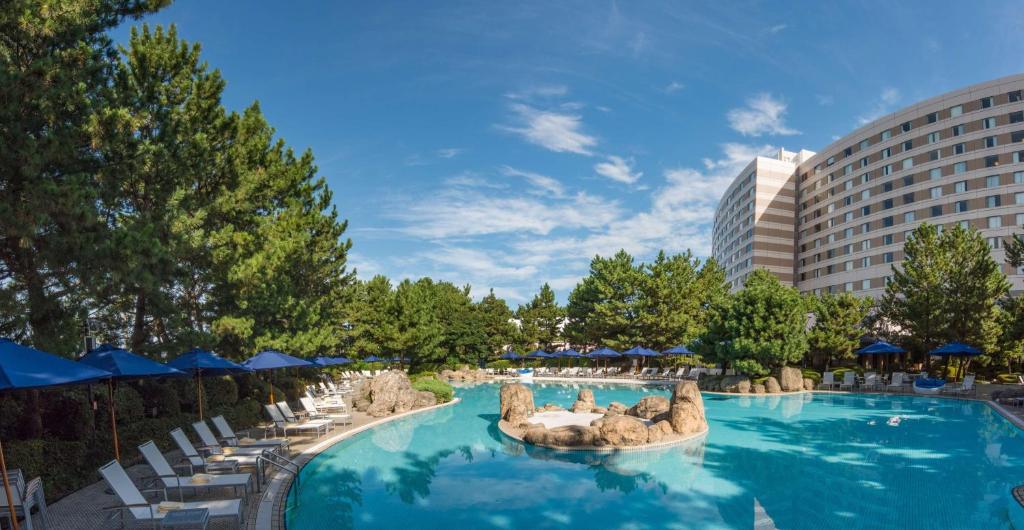
One important note: staying out in Urayasu means you’re 15-20 minutes by JR Keiyo Line from central Tokyo. On Disney days that’s perfect. On Tokyo sightseeing days, you’ll feel the commute. Our approach is usually to split the stay — a few nights in central Tokyo, then move out to the Disney area for the park days. It’s an extra bag-packing hassle, but it saves you hours of back-and-forth commuting.
I’m going to be direct: MIMARU apartment hotels are the single best accommodation option for families in Tokyo, and it’s not particularly close.
Here’s why. Every MIMARU room comes with a full kitchen — stove, microwave, fridge, rice cooker, utensils, plates, everything. They have a washing machine and dryer in the room. The rooms are designed for 3-6 people with separate sleeping areas, and they actually have space to spread out. You can buy groceries at the nearest supermarket or depachika (department store basement food hall), cook breakfast in the room, and save yourself the daily 4,000-6,000 yen per person that restaurant breakfasts cost at traditional hotels.
That kitchen matters more than you’d think. When your toddler melts down at 5 PM and the idea of finding a restaurant that has high chairs and an English menu feels impossible, you can just go back to the room and make rice and eggs. When your kid only wants plain noodles for the third night in a row, you can handle it. When you discover that Japanese convenience store food is incredible (it is) and you want to bring back an absurd haul of onigiri, karaage, and pudding cups, you’ve got a fridge and counter space.
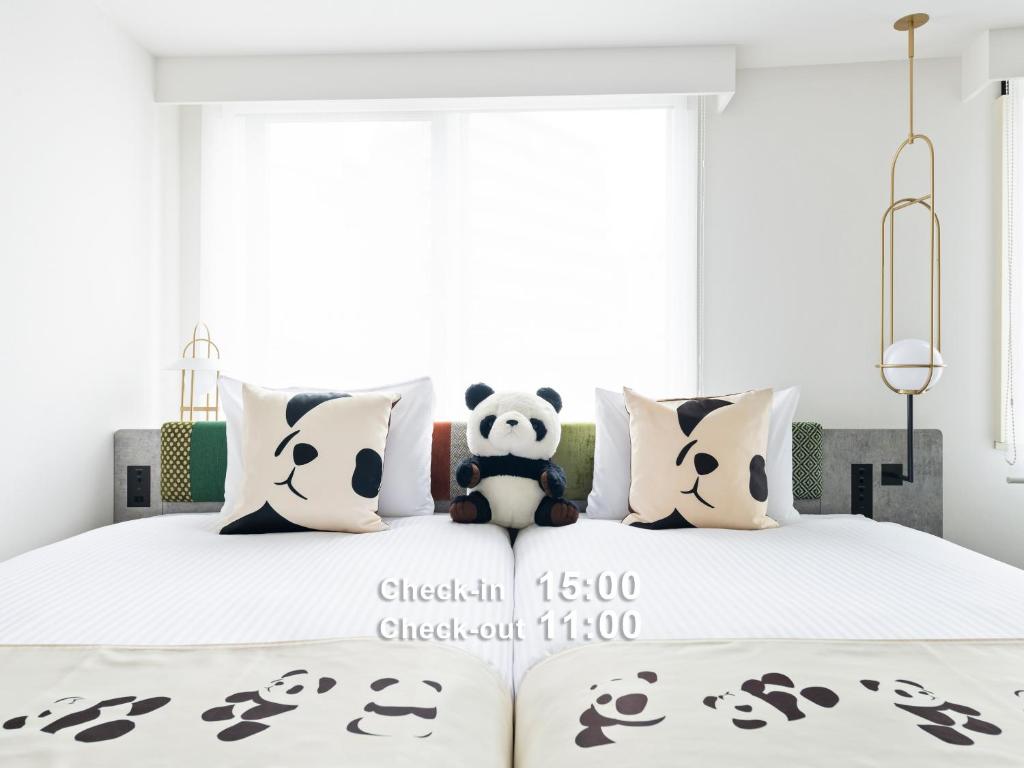
MIMARU has locations all over Tokyo — Ueno, Akasaka, Nihonbashi, and several others. Prices range from about 18,000-30,000 yen per night depending on location and room size, which sounds similar to hotel prices until you remember you’re getting a full apartment that sleeps four comfortably. Check availability on Booking.com — the Ueno location tends to book out fastest because families have figured out that Ueno plus MIMARU is a killer combination.
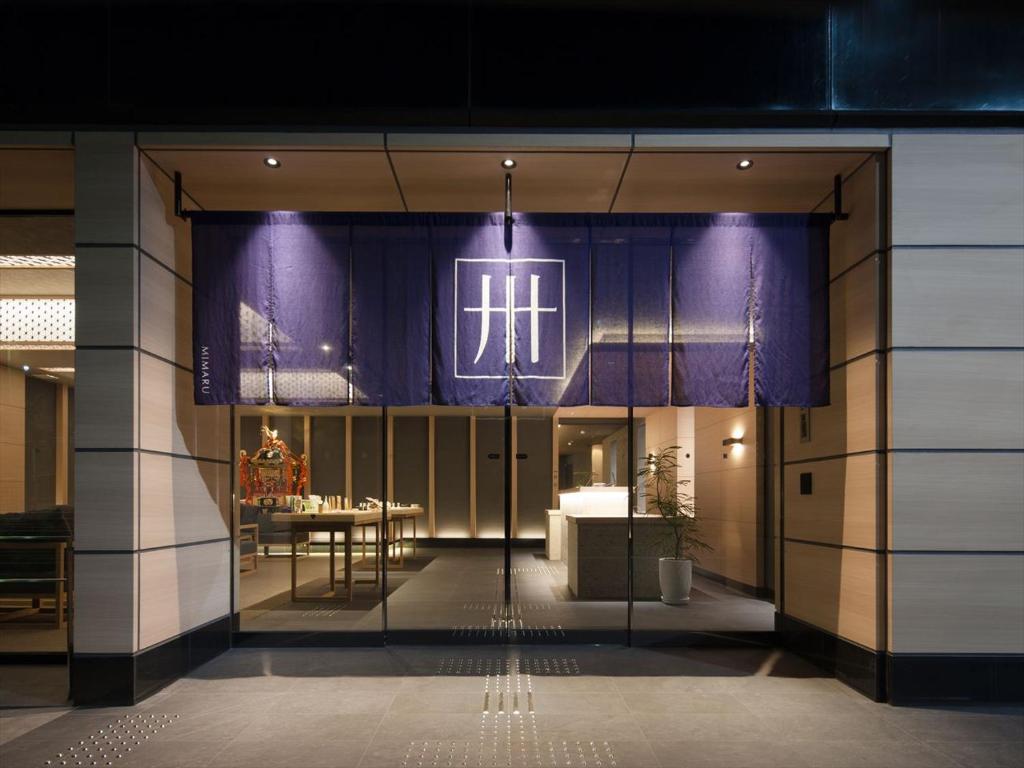
The MIMARU Ueno Inaricho is our top pick for the neighborhood. MIMARU Akasaka is great if you want a more central location. Both offer the same apartment setup and reliably clean, modern rooms.
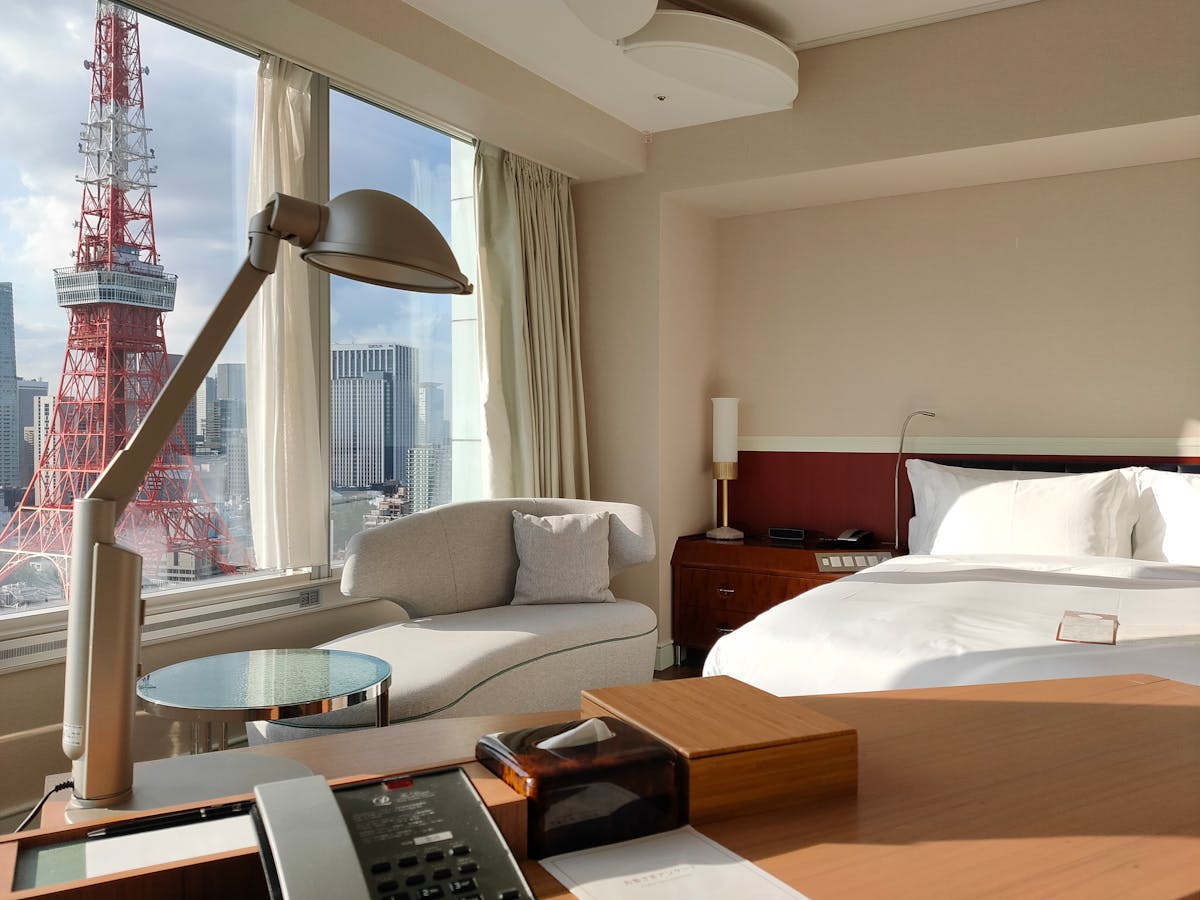
Japanese hotel rooms are small. Really small. A “standard double” at most business hotels is about 15-18 square meters, which is roughly the size of a large garden shed. That’s fine for a couple. For a family of four, it’s a test of patience and spatial reasoning.
Here are the things we’ve learned the hard way:
Book rooms specifically designed for 3-4 guests. Don’t assume you can just squeeze into a double room with a crib. Many Japanese hotels have strict occupancy limits because of fire codes, and they will enforce them. When booking, filter specifically for rooms that list 3 or 4-person occupancy. These rooms exist — they’re just not the default, and they often need to be booked well in advance.
Check the bed configuration carefully. A “triple room” in Japan sometimes means a double bed plus a single rollaway crammed into a space barely large enough for the double alone. Look for rooms with actual twin or double beds that are permanent fixtures. Some hotels offer tatami rooms with futons, which can be brilliant for families — kids love sleeping on futons, the whole floor becomes one big bed, and there’s nothing to fall off of. Ask about these specifically.
Expect to pay for the third and fourth person. Unlike many Western hotels where kids stay free, Japanese hotels often charge per person. An extra person charge of 3,000-5,000 yen per night is typical. Factor this into your budget when comparing hotel prices — that “cheap” hotel might not be so cheap once you add the per-person charges.
Bring (or buy) pajamas for everyone. Most Japanese hotels provide adult yukata (cotton robes) for sleeping, but children’s sizes aren’t always available. This is minor, but worth knowing.
The bathroom situation is different. Most Japanese hotel rooms have a modular bathroom unit — toilet, sink, and bathtub all in one tiny plastic pod. These work fine for one or two people, but bathing two kids in a micro-tub takes creativity. Some higher-end hotels and all MIMARU properties offer separate bath and toilet areas, which is a genuine quality-of-life upgrade for families.
Book early for school holiday periods. Golden Week (late April to early May), Obon (mid-August), and New Year are domestic travel peaks. Hotel prices can double or triple, and family-friendly rooms disappear fast. If you can travel outside these windows, you’ll save serious money and have a much easier time finding availability.
After multiple family trips, here’s what we’d suggest for a typical 7-10 day Tokyo-area itinerary:
Nights 1-4: MIMARU Ueno or a family room near Ueno Station. Use this as your base for exploring central Tokyo — Asakusa (the Senso-ji temple is two stations away), Akihabara (one station), the Tokyo National Museum, and the Ueno area itself.
Nights 5-6: Move to a Disney partner hotel in Maihama for your theme park days. Two nights gives you one day per park without rushing.
Night 7+: If continuing to Kyoto or Osaka, your last night near Tokyo Station makes the morning shinkansen departure painless. If flying home, Ueno’s Skyliner connection to Narita makes it a strong final-night choice too.
And one more thing — before you book anything, make sure you’re getting the best price on your flights. We put together a guide on how to find cheap flights right now that covers the tools and timing tricks we use every time we book. Tokyo flights from North America can vary by $500+ depending on when you buy, and that’s money better spent on an extra night in a bigger room.
Tokyo is one of the best cities in the world to visit with kids. The trains run on time. The food is incredible even for picky eaters (rice, noodles, and fried chicken are everywhere). The streets are safe. The culture of courtesy means people regularly go out of their way to help families with young children.
But where you sleep matters. Give yourself enough space to decompress. Choose a neighborhood that matches your kids’ ages and your itinerary. And seriously — look into MIMARU. That kitchen will save your sanity by day three.