Physical Address
304 North Cardinal St.
Dorchester Center, MA 02124
Physical Address
304 North Cardinal St.
Dorchester Center, MA 02124

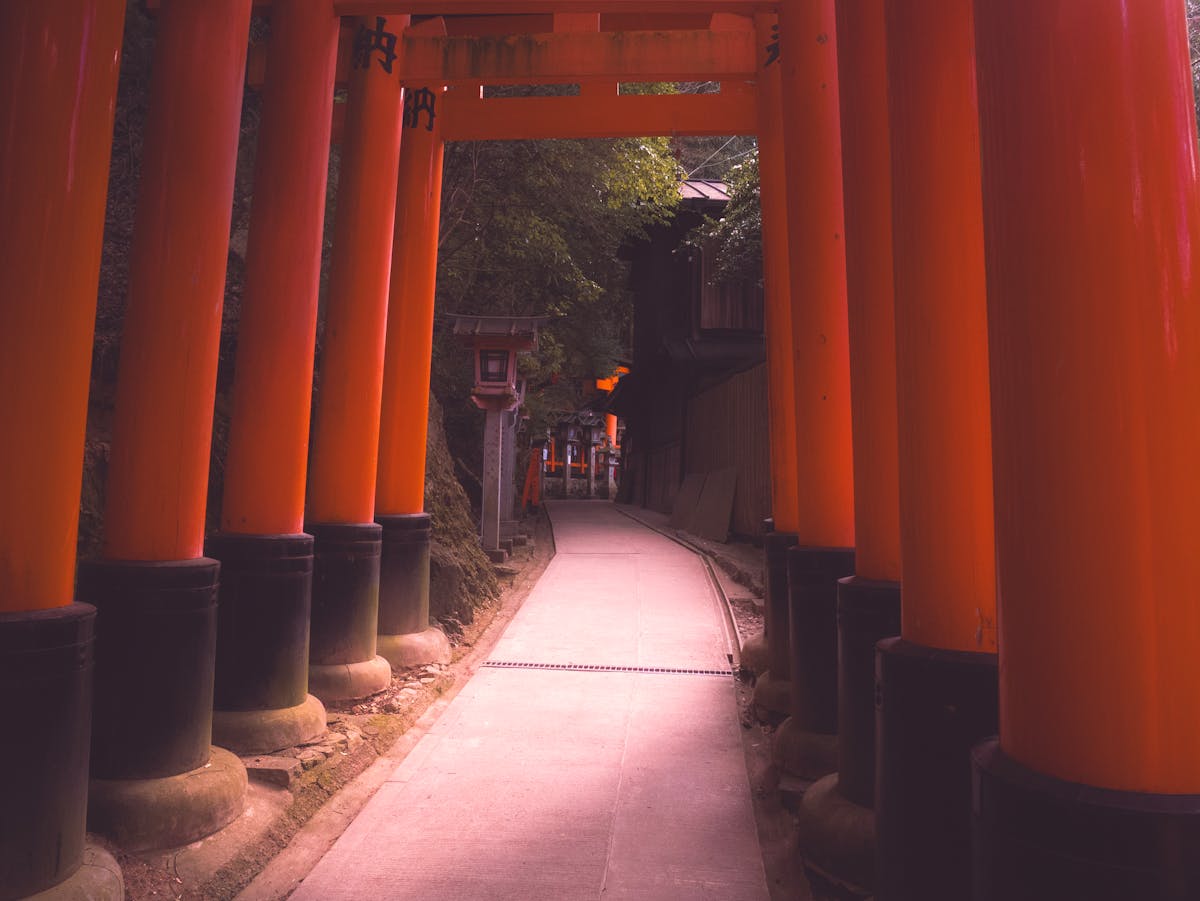
Nobody warned us about the shoes. Our first morning in Tokyo, we walked into a restaurant for breakfast and immediately hit a wall of confusion — shoes off, step up onto the raised floor, slide into slippers. Our five-year-old was wearing lace-up high-tops. It took a solid two minutes of fumbling while a line formed behind us. That was day one. By day three, we had the whole family in slip-ons and life got dramatically easier.
Japan is not a complicated place to dress for. But there are a few things that trip up American families, and most of them come down to shoes, layers, and knowing that you don’t actually need to pack as much as you think.
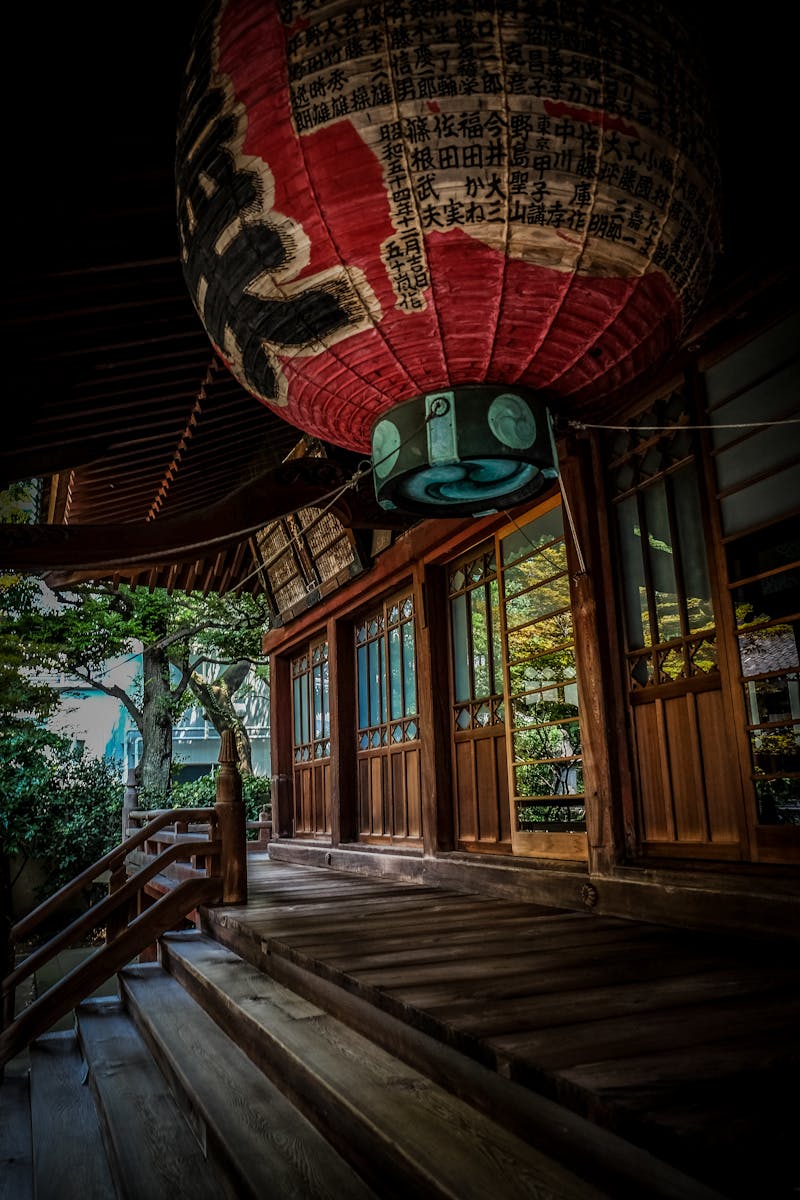
This deserves its own section because we cannot stress it enough. You will remove your shoes constantly in Japan. Restaurants, temples, shrines, ryokans, some fitting rooms, friends’ homes if you’re lucky enough to be invited. Even certain museum exhibits. It happens multiple times a day, every single day.
Every person in your family needs shoes they can slip on and off in seconds. Not “pretty quickly.” Seconds. Because there will be a group of travelers behind you, and your toddler will be trying to run onto the tatami in dirty socks, and you’ll be holding three bags.
For adults, we love simple slip-on sneakers. Birkenstocks with a back strap work too. For kids, those stretchy pull-on sneakers are gold. No laces. No buckles. No velcro that’s lost its grip after six months of preschool.
The other shoe reality: steps. So many steps. You’ll walk 15,000 to 25,000 steps per day without even trying. In Kyoto, we regularly hit 28,000. Your shoes need to be broken in and genuinely comfortable. This is not the trip for fashion footwear. Blisters on a six-year-old in Nara will ruin your afternoon faster than anything.
Bring one pair of good slip-on walking shoes per person. That’s it. One pair.
Japan has actual seasons, which is refreshing if you’re coming from somewhere like Florida (hi, that’s us). What you pack depends entirely on when you go.
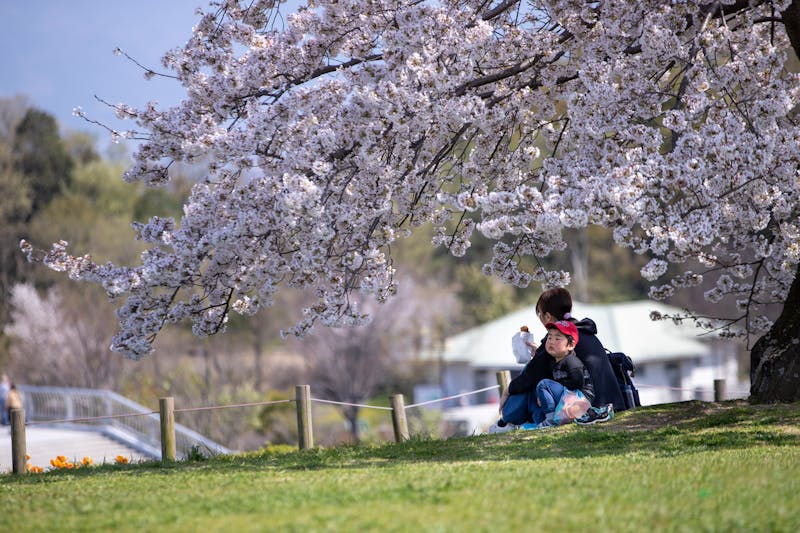
Layers. The mornings are cool, sometimes genuinely cold in March. By afternoon you might be comfortable in a t-shirt. A light jacket or hoodie that ties around the waist is essential for every family member. Think 7-21°C with significant variation day to day.
Rain is common in spring. A packable rain jacket beats an umbrella for kids because they’ll actually keep it on. Adults can grab a clear convenience store umbrella for ¥500 anywhere — the Japanese practically consider them disposable.
Hot. Humid. We’re talking DC-in-August levels of oppressive, especially July and August. Light, breathable fabrics only. Cotton and linen. Skip the synthetics unless they’re specifically moisture-wicking.
Hats are mandatory for kids. Non-negotiable. The sun is intense and you’ll be outside more than you expect. Wide brims are ideal but any hat beats no hat.
Here’s a Japan-specific tip: buy a tenugui towel at any 100-yen shop or souvenir store. These thin cotton towels are a Japanese staple and they’re brilliant. Drape one around your neck, wet it down, use it to wipe sweat. They dry fast, weigh nothing, and cost practically nothing. Our kids thought they were the coolest accessory ever. We bought about eight of them and still use them at home.
Our favorite season to dress for. Similar to spring — layers are your friend. Light long sleeves, a jacket for mornings and evenings, maybe a light scarf. October is particularly pleasant. November gets properly cool, especially in Kyoto and anywhere mountainous.
The layering principle matters even more for kids because they run hot when they’re excited (always) and then get cold the second they stop moving (also always).
Pack a real coat. Not a fashion coat — a warm one. Tokyo winter is comparable to the mid-Atlantic states. Kyoto gets colder. If you’re heading to Hokkaido, think Minnesota.
The tricky part about winter in Japan is that many temples and traditional buildings are not heated. You’ll be walking through gorgeous wooden halls in your socks on ice-cold floors. Thick socks. Warm ones. Multiple pairs. This matters more than your coat, honestly.
For kids, a puffy jacket they can zip themselves is the move. Which brings us to the next point.
This sounds like parenting advice, not travel advice. It’s both.
Japanese bathrooms are a masterpiece of engineering but they require your child to manage their own clothing. The toilet situation involves removing shoes at the bathroom entrance, stepping into bathroom slippers, doing their business, switching back. In stalls that are sometimes compact by American standards.
Overalls? Rompers? Anything that requires adult help in a bathroom stall? Leave them home. Elastic waistbands are your best friend. Pull-on pants, leggings, shorts with elastic — whatever your kid can handle independently.
Same goes for layers. If your four-year-old can’t zip their own jacket, swap it for a pullover fleece. You won’t always be right there to help, especially if you’re wrangling a stroller through a train station.
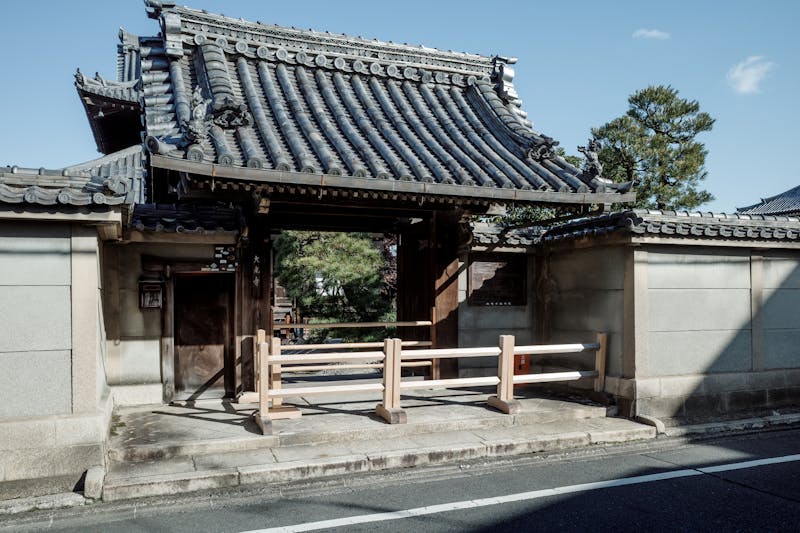
Japan is far more relaxed about dress codes than, say, European churches. But basic respect goes a long way. Shoulders covered. Knees covered — or at least close. Tank tops and very short shorts at a temple will get you side-eye, not turned away, but why invite it?
For kids, this is rarely an issue since most parents aren’t sending their seven-year-old into a shrine in a crop top. A regular t-shirt and shorts that hit mid-thigh are perfectly fine. Just keep a light cardigan or button-up in your daypack for anyone wearing a sleeveless top.
This changed how we travel. Coin laundry machines are everywhere in Japan. Hotels have them. Hostels have them. Stand-alone laundromats are on random street corners. Most are modern, well-maintained, and include dryers. A load costs around ¥200-400.
We packed four days of clothes for a two-week trip. Four days. We did laundry every three days and it never felt like a chore. Most machines take about an hour total, so we’d throw a load in before dinner and pick it up after.
For a family of four, this means you’re packing a fraction of what you’d normally bring. Your suitcases are lighter. Train transfers are easier. Hotel rooms — which are small — aren’t buried in luggage. It’s a complete game-changer and we’ll never go back to packing a full wardrobe for any trip to a developed country.
Check out our full packing list for Japan with kids for the exact items and quantities we bring.
A quick list of things to leave in your closet.
Heels. Just no. The streets are uneven, the train stations are enormous, and you’ll be walking distances that would make your Fitbit blush. Flats or sneakers only.
White shoes. They’ll be gray by lunchtime on day one. Between the walking, the rain, and the constant on-and-off at doorways, white shoes don’t survive Japan.
Too many outfits. Seriously. Four days of clothes. Laundry handles the rest. Every extra outfit is dead weight you’ll drag through train stations and up shrine staircases.
Fancy kids’ clothes. Here’s the thing — Japanese kids’ clothing is absurdly cute and absurdly cheap. Uniqlo and GU have kids’ sections that will make you want to buy everything. We’re talking well-made graphic tees for ¥590, leggings for ¥790, pajamas with characters your kids will lose their minds over. Pack minimal and buy a few pieces there. Your kids get souvenirs they’ll actually use, and you get to shop at stores that are an experience in themselves.
Dressy anything. Unless you have a reservation at a Michelin-starred restaurant (and even then, smart casual is fine), you do not need dress clothes in Japan. Clean and neat is the standard. A fresh t-shirt and decent pants will take you anywhere.
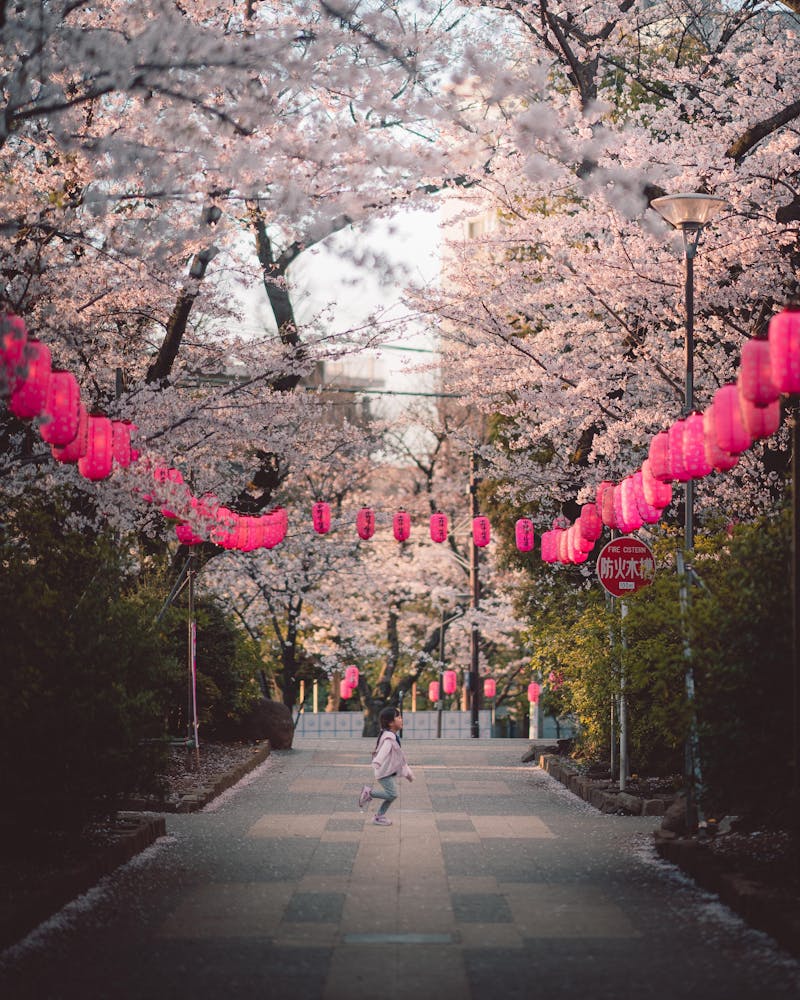
Slip-on shoes. Layers. Elastic waistbands. Four days of clothes. That’s the formula. Japan rewards families who pack light and dress practical. You’ll spend less time fussing with luggage and more time actually experiencing one of the most kid-friendly countries on the planet.
For help building your day-by-day schedule, check our Japan itinerary with kids — it covers Tokyo, Kyoto, and day trips with realistic pacing for families.