Physical Address
304 North Cardinal St.
Dorchester Center, MA 02124
Physical Address
304 North Cardinal St.
Dorchester Center, MA 02124
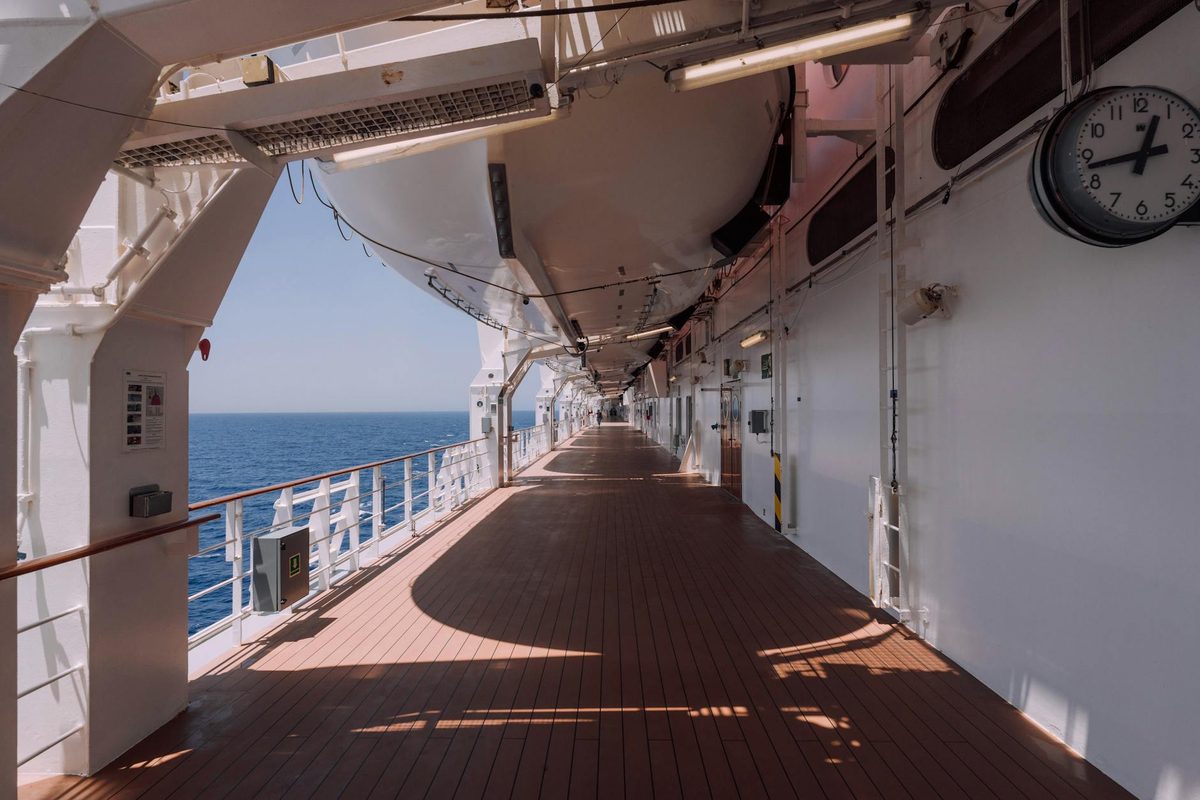
I remember standing on the gangway of our first cruise ship, holding a car seat in one hand and a diaper bag the size of a body pillow in the other, watching my four-year-old sprint toward the elevators like he’d been freed from prison. My husband was somewhere behind me with three suitcases and a look that said, “Remind me why we didn’t just go to the beach again.” That was five years ago. We’ve done six cruises since. And the truth is, not all cruise lines are created equal when you’ve got kids in tow — some genuinely get families, and some just slap a kids’ club on Deck 9 and call it a day.
So here’s the honest breakdown. Which cruise lines are actually worth your money when you’re traveling with children, broken down by what actually matters — the kids’ programs, the food situation, the cost, and whether you’ll have any fun yourself.
Before I get into the details, here’s the cheat sheet. Because I know some of you are reading this on your phone while your toddler naps and you need answers fast.
| Cruise Line | Best Ages | Price Range (per person) | Kids’ Club | Food Quality | Honest Take |
|---|---|---|---|---|---|
| Disney Cruise Line | 2-10 | $$$$ ($2,000-4,500+) | Best in class | Great | Worth it for little kids. Sticker shock is real. |
| Royal Caribbean | 6-17 | $$-$$$ ($800-2,500) | Very good | Good | Best bang for your buck, especially for older kids |
| Norwegian (NCL) | 5-14 | $$-$$$ ($900-2,200) | Good | Good | Great if your family hates being told when to eat |
| Carnival | 3-12 | $ -$$ ($500-1,500) | Decent | Fine | Best for first-timers and budget-conscious families |
| MSC Cruises | 3-14 | $$-$$$ ($700-2,000) | Good | Good | LEGO experience is a hit; kids-sail-free deals are legit |
| Celebrity Cruises | 8-17 | $$$-$$$$ ($1,200-3,000) | Okay | Excellent | For families who want better food and a calmer vibe |
| Virgin Voyages | 18+ ONLY | $$$ ($1,500-3,000) | None | Excellent | Adults only. Leave the kids home. |
Now let’s actually dig into each one.
I’ll say it plainly: if your kids are under 10 and you can afford it, Disney is the one. The whole ship is built around families. Not “we added a kids’ area” — the entire experience, from check-in to the last morning, is designed for parents traveling with children. My kids still talk about the Oceaneer Club on the Disney Wish, and we sailed that ship over a year ago.
The Oceaneer Club is the big one. It’s not a glorified daycare. It’s a massive, themed play area where kids genuinely don’t want to leave. On the Disney Wish, there’s a Marvel Super Hero Academy, a Star Wars-themed area called Star Wars: Cargo Bay, and an Imagineering Lab where kids build virtual roller coasters. My son went in for “just an hour” and came out three hours later mad that I picked him up.
Rotational dining is something nobody else does. Your waitstaff follows you from restaurant to restaurant throughout the cruise, so by night three, your server knows your kid wants chicken tenders with no sauce and extra fries without you saying a word. It sounds small but it changes the whole dining experience with kids.
Character dining happens at breakfast and throughout the ship. My daughter meeting Rapunzel at breakfast is still her “best day ever,” and she’s said that approximately 400 times about other things since, so that tells you something.
And then there’s Castaway Cay, Disney’s private island in the Bahamas. Calm, shallow water. Designated family beach. A separate adult-only beach if you need a breather. Honestly one of the best port days we’ve ever had on any cruise.
Price. A 4-night Bahamian cruise on the Disney Wish for a family of four will easily run $6,000-8,000+ depending on the time of year and cabin type. Inside cabins start around $2,000 per person. That’s significantly more than Royal Caribbean or Carnival for the same itinerary. And Disney doesn’t include alcohol or specialty coffee in the fare, which adds up fast.
Also, the ships are smaller than Royal Caribbean’s mega-ships. Fewer waterslides, fewer “wow” attractions on board. If your kids are 13 and want adrenaline, they might find it a little tame. If your kids love Disney, they’ll lose their minds on a Disney cruise — but if they’ve aged out of characters, look elsewhere.
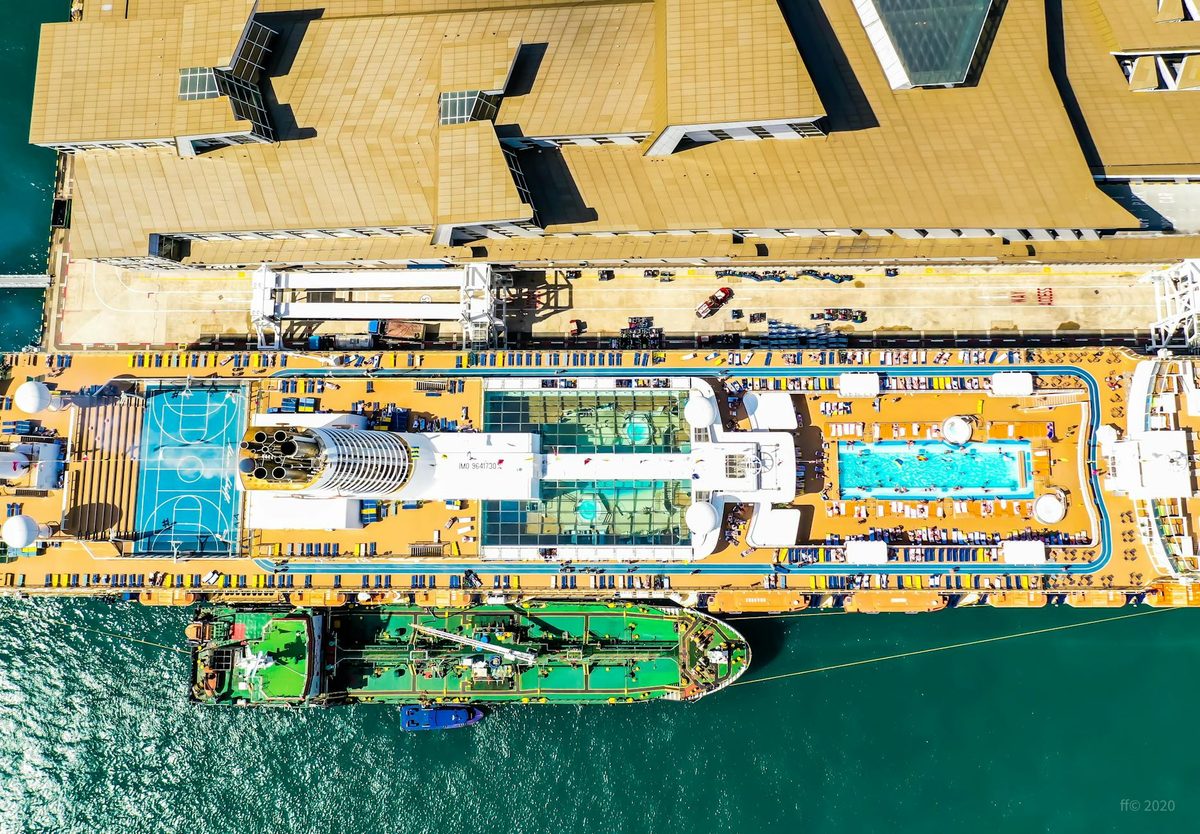
If Disney is the best for little kids, Royal Caribbean is the best for everyone else. And honestly, for families with kids across a wide age range — say, a 5-year-old and a 13-year-old — Royal Caribbean might be the smartest pick because there’s genuinely something for every age on their bigger ships.
The Icon of the Seas, Wonder of the Seas, and Utopia of the Seas are massive. We’re talking FlowRider surf simulators, rock climbing walls, zip lines that cross the length of the ship, bumper cars, ice skating rinks, and waterslides that would hold their own at any land-based water park. My 11-year-old nephew spent an entire sea day going between the FlowRider and the rock wall. He barely sat down for dinner.
The Adventure Ocean kids’ program splits into age groups: Aquanauts (3-5), Explorers (6-8), and Voyagers (9-11). For teens, there’s a separate lounge with gaming consoles, DJs, and organized activities. It’s not as immersive as Disney’s Oceaneer Club, but it does the job well. And teens actually want to go, which is half the battle.
A 7-night Caribbean cruise on a Royal Caribbean Oasis-class ship can run $800-1,400 per person for an inside cabin. That’s meals, entertainment, kids’ clubs, and the ship’s activities all included. You’ll spend more on drink packages and shore excursions, but the base price is genuinely reasonable for what you get. Compared to a week at a decent resort, it often comes out cheaper.
The big ships can feel overwhelming. Think 5,000-7,000 passengers. Pool areas get packed on sea days. The buffet at lunch is a zoo. And the main dining room food is… fine. Not bad, not memorable. If food matters to you, you’ll want to budget for specialty restaurants ($30-60 per person per meal).
Also, Royal Caribbean’s private destinations (Perfect Day at CocoCay, in particular) are great but extremely crowded. If you’re imagining a peaceful beach day, think again — it’s more like a floating theme park that happens to be on an island.
Norwegian’s whole thing is Freestyle Cruising, which basically means: eat when you want, wear what you want, do what you want. No assigned dining times. No formal nights. No one is going to look sideways at you if you show up to dinner in flip-flops at 9 PM because your toddler’s nap ran long.
If you’ve ever tried to get three kids dressed and in their seats by 6:15 PM for a fixed dining time, you already understand why this matters. NCL has a dozen or more dining options on their bigger ships, all operating on different schedules. Want pizza at 10 PM because the kids fell asleep at the pool and woke up hungry? Done. Want to skip the sit-down restaurant entirely and grab tacos by the pool for the third day in a row? Nobody cares.
The Splash Academy is NCL’s kids’ club, and it’s solid. Not Disney-level, but the counselors are high energy, the activities are well-organized, and kids ages 3-12 are kept busy. There’s also Entourage for teens (13-17), which runs evening events, sports tournaments, and movie nights.
The waterslides on NCL’s newer ships (Norwegian Prima, Norwegian Viva) are legitimately impressive. The drop slides will scare most adults, and that’s exactly why your tweens will love them.
NCL pushes upsells hard. The base fare looks affordable, but by the time you add drink packages, specialty dining, Wi-Fi, and shore excursions, the total creeps up fast. Their “Free at Sea” promotions bundle some of these in, but read the fine print — it’s usually “pick two” or “pick three” out of five perks, not everything included.
Also, the kids’ programs close during port days on some ships, which can be annoying if you wanted to do an adults-only excursion.
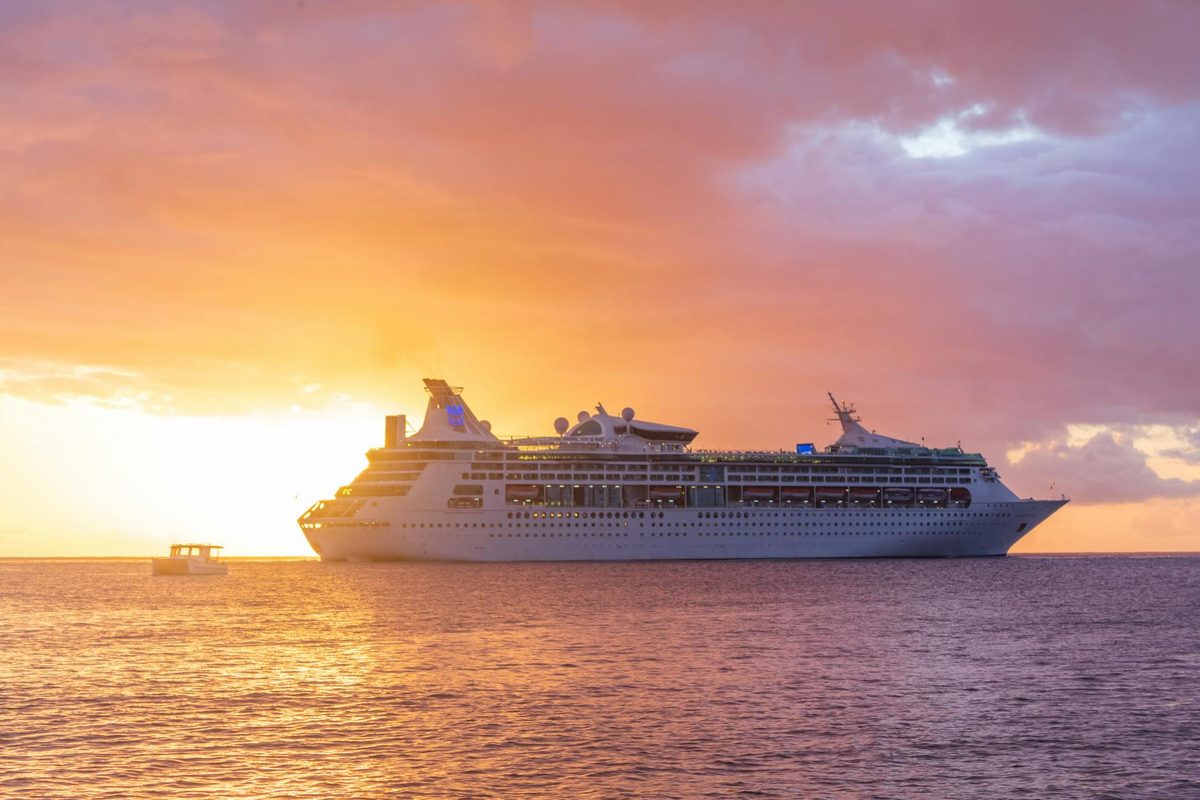
Carnival gets a bad rap from the “cruise snob” crowd, and honestly, some of it is earned. The buffets won’t win any awards. The ships are older on average. The crowd skews younger and louder, especially on short sailings out of Miami or Galveston. But here’s the thing: for a first family cruise, Carnival is probably the smartest choice.
The price. A 4-night Bahamas cruise on Carnival can cost $400-600 per person for an inside cabin. For a family of four, that’s $1,600-2,400 total for four nights of lodging, all meals, entertainment, and kids’ activities. Cruises can actually be budget-friendly — see our full budget travel guide for more on that. But Carnival is the entry point.
Camp Ocean is Carnival’s kids’ program, and it’s perfectly fine for ages 2-11. It’s ocean-themed (penguins for the little ones, stingrays and sharks for older kids), and the activities include science experiments, talent shows, and arts and crafts. Nothing groundbreaking, but my kids had fun.
Dr. Seuss at Sea is surprisingly charming if you have kids under 7. Green eggs and ham breakfast, character parades, Seuss-themed activities. It’s not Disney-level polish, but kids don’t know the difference when they’re high-fiving the Cat in the Hat.
And the WaterWorks water parks are on most ships — twisting waterslides, splash zones, the works. Not massive, but enough to keep kids busy for hours on sea days.
The food in the main dining room and buffet is mediocre. Serviceable, but don’t expect to be impressed. The newer ships (Carnival Celebration, Carnival Jubilee) are significantly better than the older fleet, so pick your ship carefully.
Carnival also attracts a party crowd on shorter sailings, especially out of ports like Miami and New Orleans. If you want a calmer vibe, go for a 7-night sailing or choose a less “party” port like Norfolk or Baltimore.
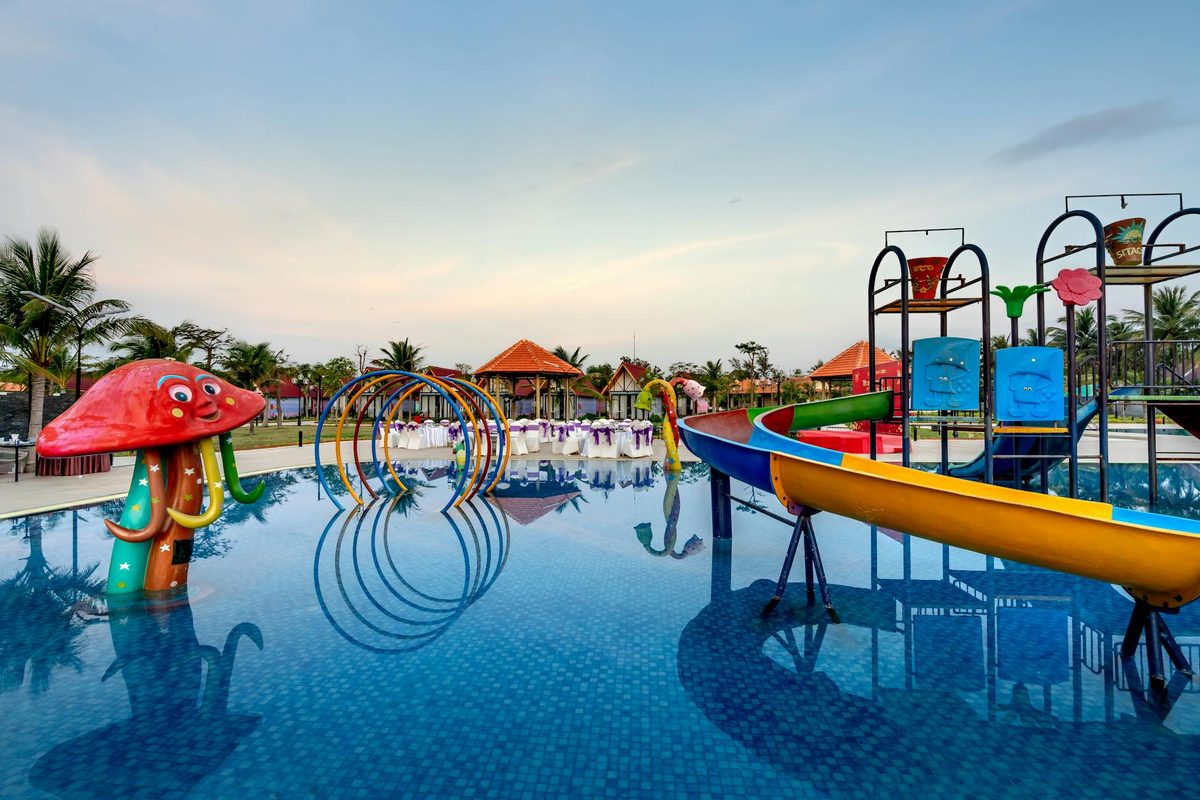
MSC doesn’t get talked about enough in the US market, and that’s a shame because they’re doing some genuinely smart things for families. They’re a European line that’s been aggressively expanding in the US, and their newer ships are gorgeous.
Kids sail free. Not a gimmick — MSC regularly runs promotions where kids 11 and under sail free (you pay taxes and port fees, about $100-150). On a 7-night Caribbean cruise, that can save you $1,000+ per child. That’s real money.
The LEGO Experience on select MSC ships is a big draw. LEGO-building workshops, themed play areas, and interactive LEGO installations. If your kid is in the LEGO phase (and let’s be honest, that phase lasts about six years), this is gold.
MSC’s newer ships — the Meraviglia, Seascape, and World Europa — have proper waterslides, interactive kids’ areas, and dedicated family zones. The ships feel modern and well-designed. Food quality is above average for the price point, with Italian influences throughout the menus (MSC is Italian-Swiss, so the pasta is legitimately good).
The onboard experience can feel less polished than Royal Caribbean or Disney. Service is inconsistent — some crew members are fantastic, others seem overwhelmed. And the communication can be a bit chaotic, especially around embarkation and muster drills.
Also, if you’re used to American cruise lines, MSC’s international vibe can feel different. Announcements in four languages. A more European crowd (though this varies by sailing). Some people love it. Others find it disorienting.
Celebrity is where you go when you want a family cruise but you also want to actually enjoy the food and not feel like you’re in a floating shopping mall. It’s more expensive than Carnival or NCL, but the quality difference is noticeable.
The food on Celebrity is the best of any mainstream cruise line. The main dining room menus rotate nightly and feature dishes that actual adults want to eat — not just the standard cruise ship prime rib and lobster tail routine. The specialty restaurants (Le Petit Chef, Raw on 5) are genuinely excellent. If you’re a food-motivated family, Celebrity wins.
Camp at Sea is Celebrity’s kids’ program, and it’s fine for what it is. Activities for ages 3-17, split into age groups. It’s smaller than what you’d find on Royal Caribbean, but the counselors are solid and the space isn’t as overcrowded.
Celebrity ships tend to be calmer, less frenetic, and more adult-oriented without being stuffy. If your kids are 8+ and you don’t need a giant waterslide to keep them happy, Celebrity offers a more refined experience that parents actually enjoy.
Limited kids’ activities compared to the big three. If you have a 5-year-old who needs constant stimulation, Celebrity might feel boring for them. The pool deck is smaller. There’s no FlowRider or rock climbing wall. It’s a trade-off: better quality, fewer thrills.
Pricing sits between Royal Caribbean and Disney, which puts it in an awkward spot for some budgets.
Just want to flag this because it comes up in “best cruise” searches: Virgin Voyages is adults-only. No one under 18 allowed. Period. It’s a great cruise line — phenomenal food, cool design, no buffets — but it’s not for families. If you’re looking for a couples-only trip while Grandma watches the kids, check it out. Otherwise, move on.
Because this is really what it comes down to. Not “which line is best” — which line is best for YOUR kids, right now, at this age.
Disney, hands down. Most cruise lines don’t accept kids under 2 in their kids’ clubs. Disney’s nursery (It’s a Small World Nursery) takes babies as young as 6 months for $9/hour. Royal Caribbean’s Royal Babies and Royal Tots program exists, but it’s limited and fills up fast. Carnival’s Night Owls babysitting takes kids 6 months and up in the evenings.
If you’re cruising with a baby or young toddler, Disney gives you the most support. But honestly? Cruising with a child under 2 is an endurance sport no matter what line you pick.
Disney or Royal Caribbean. Disney for the immersive theming and character experience. Royal Caribbean if your kid is more into physical activity — climbing, splashing, running. Both have excellent kids’ clubs for this age range.
Royal Caribbean. Not close. The ships have enough onboard activities to keep this notoriously hard-to-please age group busy. FlowRider, bumper cars, laser tag, escape rooms, rock climbing. NCL is a solid second choice.
Royal Caribbean again, with NCL as a close second. Both have dedicated teen lounges and activities. Carnival’s teen program (Club O2) is decent on the newer ships. Disney’s teen areas feel a bit childish for older teens.
Where you sail matters almost as much as which ship you pick. Here are the main options from US ports.
The classic family cruise. Warm water, easy beaches, short sailing distances. A 7-night Eastern Caribbean itinerary typically hits St. Thomas, St. Maarten, and a private island. Western Caribbean routes go to Cozumel, Grand Cayman, and Jamaica. For families with little kids, I’d lean Eastern — the beaches are better and the ports are easier to navigate on your own without booking excursions.
If it’s your first family cruise, a 3-4 night Bahamas sailing from Miami or Port Canaveral is the lowest-risk option. Short enough that if your kids hate it (unlikely, but possible), you’re not stuck for a full week.
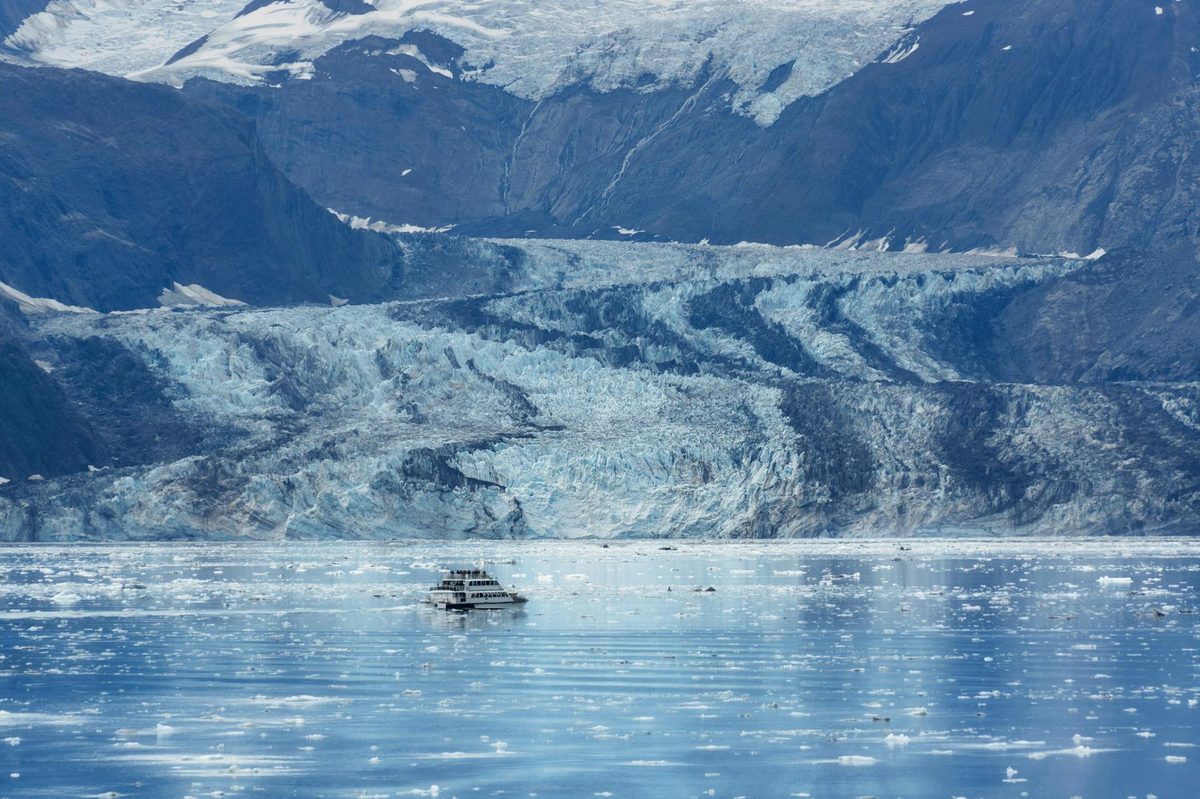
Alaska cruises run May through September and are genuinely spectacular. Glaciers, whales, bald eagles, and some of the most dramatic scenery your kids will ever see. The downside: prices are higher (expect $1,500-3,000+ per person for a 7-night sailing), and the weather is unpredictable. Pack layers. Lots of layers.
Royal Caribbean, Norwegian, and Celebrity all run Alaska itineraries. For families, I’d recommend Royal Caribbean’s Ovation of the Seas or NCL’s Norwegian Bliss — both have enough onboard activities to keep kids busy on the (many) sea days.
Our guide to the best family vacations in the USA covers more options beyond cruises if you’re still deciding.
The “toe in the water” cruise. 3-4 nights, usually hitting Nassau and a private island. Every major line runs these. They’re cheap, they’re easy, and they’re perfect for testing whether your family is a “cruise family” before committing to a full week.
Wave season (January through March) is when cruise lines release their best deals. You’ll see the lowest prices, onboard credit offers, and kids-sail-free promotions. If you can plan ahead, this is the time to book for summer or fall sailings.
Last-minute deals exist, but they’re risky with kids — you might not get the cabin type you want, and connecting staterooms sell out early.
I’ll die on this hill. Your kids will not care whether they have an ocean view. You’re in the cabin to sleep and change clothes. That’s it. An inside cabin on a Royal Caribbean Oasis-class ship runs $150-200 less per person than a balcony cabin. For a family of four on a 7-night cruise, that’s $600-800 saved. Use that money for excursions or specialty dining instead.
The one exception: if anyone in your family gets motion sickness, a midship cabin (inside or otherwise) on a lower deck will help. Being in the center of the ship means less rocking.
Maybe. Royal Caribbean’s unlimited drink package runs about $60-90 per person per day, and everyone in the cabin who’s 21+ has to buy it. Do the math: if you’d normally have 2-3 cocktails plus a couple of coffees per day, it breaks even at around 5-6 drinks daily. If you’re a casual drinker, skip it and pay per drink. If you’re on vacation and plan to enjoy yourself, it pays off.
For kids, the soda package ($10-15/day) is worth it only if your kids actually drink soda constantly. Water, lemonade, and iced tea are usually free in the dining room.
This is where the markup is insane. A snorkeling excursion through Royal Caribbean might be $89 per person. Book the same thing directly with a local operator in port for $35-50. Just make sure whatever you book gives you enough time to get back to the ship. Missing the departure is not a joke — they will leave without you.
Even if your kid has never been carsick a day in their life, the ship can get them. Our first night on a cruise, my 6-year-old threw up before we even left port — nerves, excitement, and a questionable amount of pizza from the buffet. By day two she was fine. But bring Dramamine (the non-drowsy kind for kids), Sea-Bands, and some ginger candy just in case. The ship’s medical center will charge you $10 for the same Dramamine you can buy at CVS for $6.
Everyone pictures themselves strolling through colorful Caribbean ports with their kids in matching outfits. The reality: it’s 90 degrees, the streets aren’t stroller-friendly, your toddler wants to be carried, and you’re 20 minutes from the ship with no idea where the nearest bathroom is. For kids under 4, I’d honestly suggest staying on the ship for at least half the port days. The ship is practically empty and the pool has no lines.
If your teen’s survival depends on staying connected, brace yourself. Cruise ship Wi-Fi runs $15-20 per device per day on most lines, and the speed is satellite-level slow. Streaming is usually not possible. Royal Caribbean’s Starlink-equipped ships are better, but still not great. Download movies, shows, and games to devices before you board. Trust me on this one.
Embarkation day is the worst day of the cruise. Long lines, confused families, rooms that aren’t ready until 1:30 PM, and kids who are overstimulated before you even move. Don’t try to “do everything” on day one. Eat lunch at the buffet, find the pool, let the kids run around, and save the exploring for day two when everyone has settled in.
The cruise fare covers your cabin, main dining, buffet, kids’ clubs, and basic entertainment. It does NOT include: specialty dining, alcohol, soda, Wi-Fi, shore excursions, spa, photos, arcade games, or that $12 smoothie your kid will beg for daily at the pool bar. Budget an extra $100-200 per day for a family of four in onboard spending, depending on how disciplined you are.
Here’s what I tell every parent who asks me this. If your kids are small and money isn’t the main concern, Disney. If your kids are school-age or older and you want the most stuff to do, Royal Caribbean on an Oasis-class or Icon-class ship. If you want flexibility and no schedules, Norwegian. If it’s your first cruise and you want to keep costs down, Carnival. If your kids are older and you care about food quality, Celebrity. And if someone suggests Virgin Voyages for a family trip, politely ignore them.
One more thing: the “best” cruise line means nothing if you pick the wrong ship. Every line has older, smaller ships and newer, flashier ones. The experience on a 2024 Royal Caribbean Icon of the Seas is wildly different from a 2005 Voyager of the Seas. Pick the ship, not just the line. Check the launch year, look at the deck plans, and read reviews from families who’ve actually sailed on that specific vessel.
Your kids won’t remember whether you had a balcony cabin or which port you stopped at. They’ll remember the waterslide, the pizza at midnight, and the night you all stayed up too late watching a movie on the pool deck under the stars. Pick the ship that makes that happen, and you’re good.