Physical Address
304 North Cardinal St.
Dorchester Center, MA 02124
Physical Address
304 North Cardinal St.
Dorchester Center, MA 02124


I sat down to write this article and almost gave up before I started. Not because I didn’t have enough to say — but because there are about four thousand “best family vacations in the USA” lists out there, and most of them read like they were written by someone who’s never actually traveled with kids. They’ll tell you to take a toddler on a five-hour hike in Glacier National Park. Or that a week in Manhattan is “fun for the whole family” without mentioning that your stroller won’t fit through a single subway turnstile.
So here’s what I actually did: I went through every family trip I’ve taken (or seriously researched for my own family), threw out the destinations that sound good on paper but don’t hold up in reality, and kept the ones that genuinely work. Not just for Instagram — for real families, with real kids, on real budgets.
This is the list I wish someone had handed me five years ago.
Orlando is the default answer for a reason. Walt Disney World alone has four parks, two water parks, and enough dining options to eat somewhere different every meal for a month. But here’s the thing nobody tells you: you do not need a week there. Three full days at Disney — one for Magic Kingdom, one for Hollywood Studios or Animal Kingdom, one for Epcot — is enough for most families with kids under 10. After that, the meltdowns outnumber the magical moments.
Universal Orlando is the better pick if your kids are 7+. The Wizarding World of Harry Potter is genuinely impressive (even for adults who couldn’t care less about Harry Potter), and the new stuff they keep adding means it’s getting harder to skip. I’d give Universal two full days minimum.
And if your kids are younger — like 2 to 6 — look at LEGOLAND Florida. It’s purpose-built for little ones, the crowds are lighter, and the resort hotels are themed in a way that actually matters to small kids. My youngest talked about the pirate room for months.
Disneyland is smaller, more walkable, and honestly more charming than Disney World. You can do both parks — Disneyland and California Adventure — in two solid days. The advantage is that everything is packed tight, so you’re not spending half your day on buses and monorails getting between parks. The downside: fewer rides, smaller resort area, and California prices on everything.
But if you’re already doing a West Coast trip (San Diego, LA, Pacific Coast Highway), Anaheim fits in perfectly as a two-day stop. It doesn’t need to be the whole vacation.
This is my default recommendation for families who want a Gulf Coast beach vacation. The water is warm, calm, and that insane shade of blue-green you see in photos — it actually looks like that. The beach is wide, the sand is soft, and there’s enough restaurants and shops within walking distance that you don’t need a car every night. Is it touristy? Yes. But “touristy” also means there are bathroom facilities, lifeguards, and places to buy sunscreen when you inevitably forget it.
If Clearwater feels too crowded (and in summer, it will), Siesta Key is about an hour south and consistently ranked as one of the best beaches in the country. The sand is quartz crystal — it doesn’t get hot even in August. I’ve watched my kids dig in it for three hours straight without complaining once. That never happens.
The Florida Panhandle doesn’t get as much attention as the Gulf Coast further south, but Destin is a solid family beach vacation. The water is emerald green (hence the name), there’s a ton of condo rentals that work better for families than hotels, and it’s drivable from most of the Southeast. The seafood is cheap and actually good — not the overpriced tourist trap stuff you get in some Florida beach towns.
For a deeper look at all the options, I put together a full guide to the best family beaches in Florida — including a few that rarely show up on the usual lists.
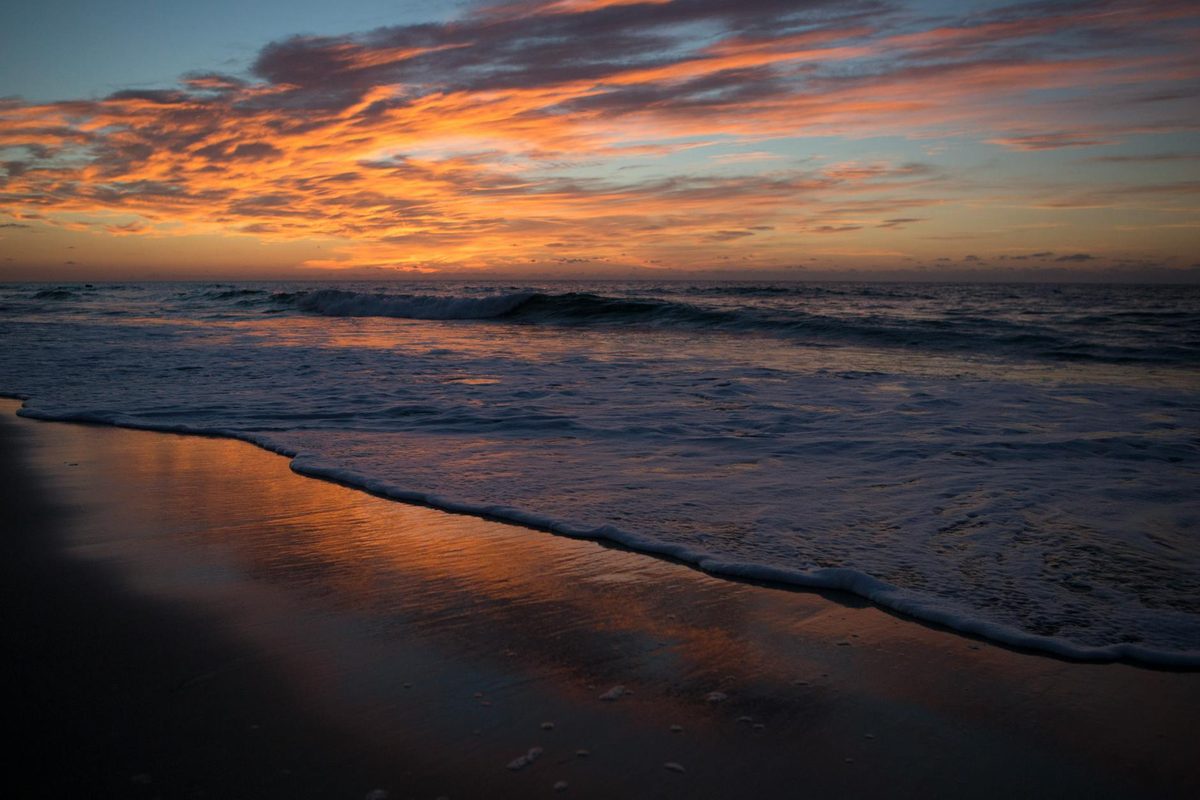
The OBX is a different kind of beach vacation. You rent a house (usually with a group or extended family), stock the fridge, and settle in for a week. It’s less “resort” and more “we live here now.” The beaches are wide and uncrowded compared to most East Coast alternatives, the wild horses on the northern end are genuinely cool for kids, and the whole vibe is low-key.
Fair warning: the drive to get there is long and involves a lot of two-lane roads. But once you’re in, you won’t want to leave. Most families I know who go once end up going back every year.
Myrtle Beach is the family vacation spot that nobody brags about going to but everybody goes to. It’s affordable, it’s packed with kid-friendly stuff (mini golf, arcades, water parks, dinner theaters), and the beach itself is perfectly fine. Not stunning — perfectly fine. The water is warm enough by June, and the strip has that classic American beach town energy that kids absolutely love. Adults might find it a little cheesy. That’s part of the charm.
The real advantage of Myrtle Beach is price. You can rent a two-bedroom condo with an ocean view for what a mediocre hotel room costs in most other beach towns. Add in the fact that most of the kid activities are cheap (or free), and you’ve got a week-long beach vacation that doesn’t require a second mortgage.
If you want a beach vacation that feels different from the standard Florida/Carolina trip, Cape Cod is worth the effort. The water is colder (not gonna sugarcoat that), but the towns are beautiful, the seafood is the best you’ll eat anywhere in the country, and there’s a slower pace that makes the whole trip feel longer in a good way. Best for families with kids 5+ who won’t lose their minds because the ocean is 65 degrees instead of 82.
The Jersey Shore gets a bad reputation from the TV show, but the actual family beach towns — Cape May, Long Beach Island, Ocean City — are classic, wholesome, boardwalk-and-ice-cream kind of places. Cape May in particular is gorgeous: Victorian homes, a lighthouse, dolphin-watching cruises, and beaches that are clean and well-maintained. Ocean City is a dry town (no alcohol), which makes it one of the most family-oriented beach strips on the East Coast. Rides on the boardwalk, pizza every night, funnel cake for breakfast. My kids would move there if I let them.
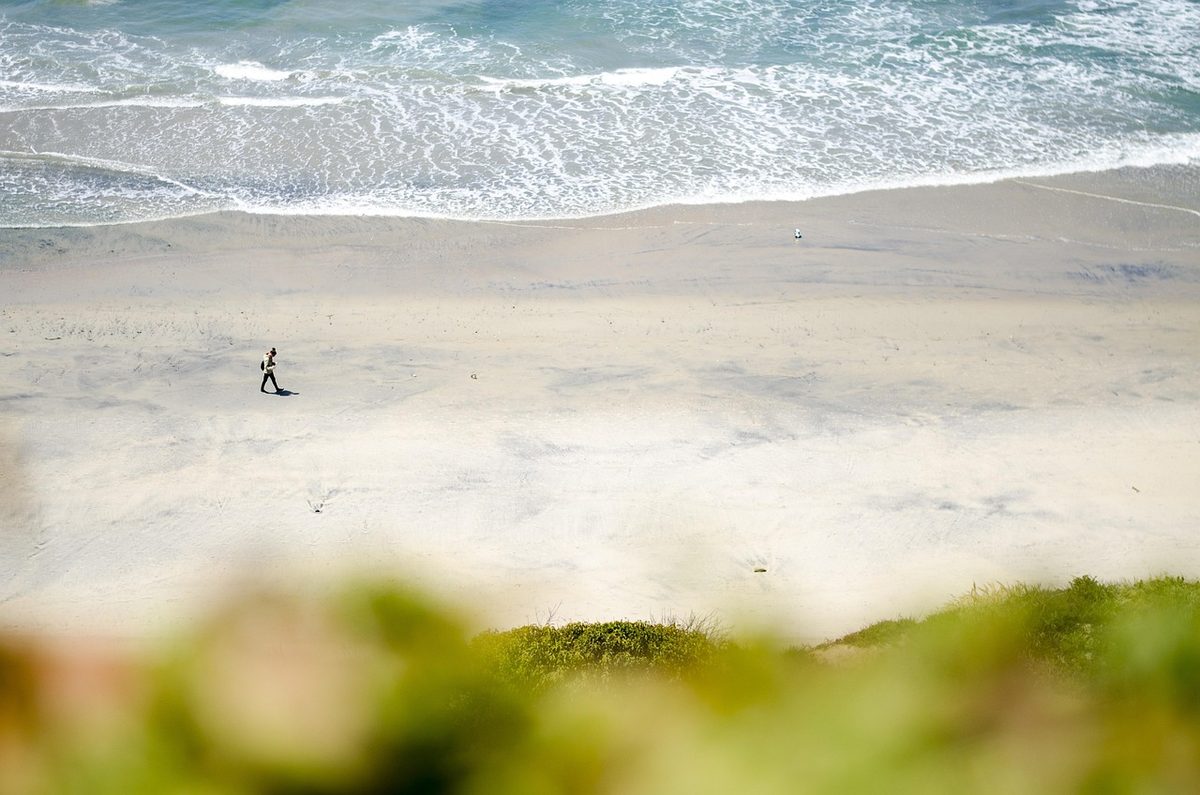
San Diego is my number one pick for a West Coast family vacation. And I’ll fight about it. The weather is perfect basically year-round, the beaches are beautiful without the LA crowds, and there’s enough to fill a full week without running out of things to do. The San Diego Zoo is legitimately world-class. LEGOLAND is 30 minutes north. The USS Midway museum is the kind of thing that sounds boring until your kids are climbing through a real aircraft carrier and suddenly won’t leave.
Plus, the food scene is great — and not just the fish tacos, though you should absolutely eat the fish tacos. Balboa Park is like a mini-Smithsonian with a dozen museums, gardens, and the zoo all in one place. And La Jolla Cove, where you can watch sea lions from about twenty feet away, kept my kids entertained for longer than any paid attraction ever has.
LA with kids is either amazing or terrible depending on how you plan it. My honest advice: skip Hollywood (it’s dirty and disappointing), skip the Walk of Fame (same), and focus on the stuff that actually works. The Griffith Observatory is free and has incredible views. Santa Monica Pier is fun for an afternoon. The Natural History Museum and California Science Center are both excellent and cheap. And if you’re doing Disneyland in Anaheim, LA is right there.
But don’t try to “do LA” in two days. Pick a neighborhood, stay there, and explore outward. Driving across the city with kids in traffic will ruin everyone’s day.
San Francisco is one of those cities that’s better with older kids — maybe 8 and up. Younger ones will get tired of walking hills, and the weather is unpredictable even in summer (bring layers, always). But for families with tweens and teens, it’s fantastic. Alcatraz, Fisherman’s Wharf, the cable cars, biking across the Golden Gate Bridge, Chinatown — there’s a lot to work with. Just don’t expect warm beach weather. That’s not what San Francisco is for.
If your kids are old enough to appreciate a road trip (and by “appreciate” I mean “not scream for six hours”), driving a stretch of Highway 1 is one of those trips that sticks with you. You don’t need to do the whole thing — the section from Monterey to San Luis Obispo is the most scenic and takes about three hours without stops. Add stops at Big Sur, Hearst Castle, and whatever beach catches your eye, and you’ve got a two-day road trip that feels like a real adventure.
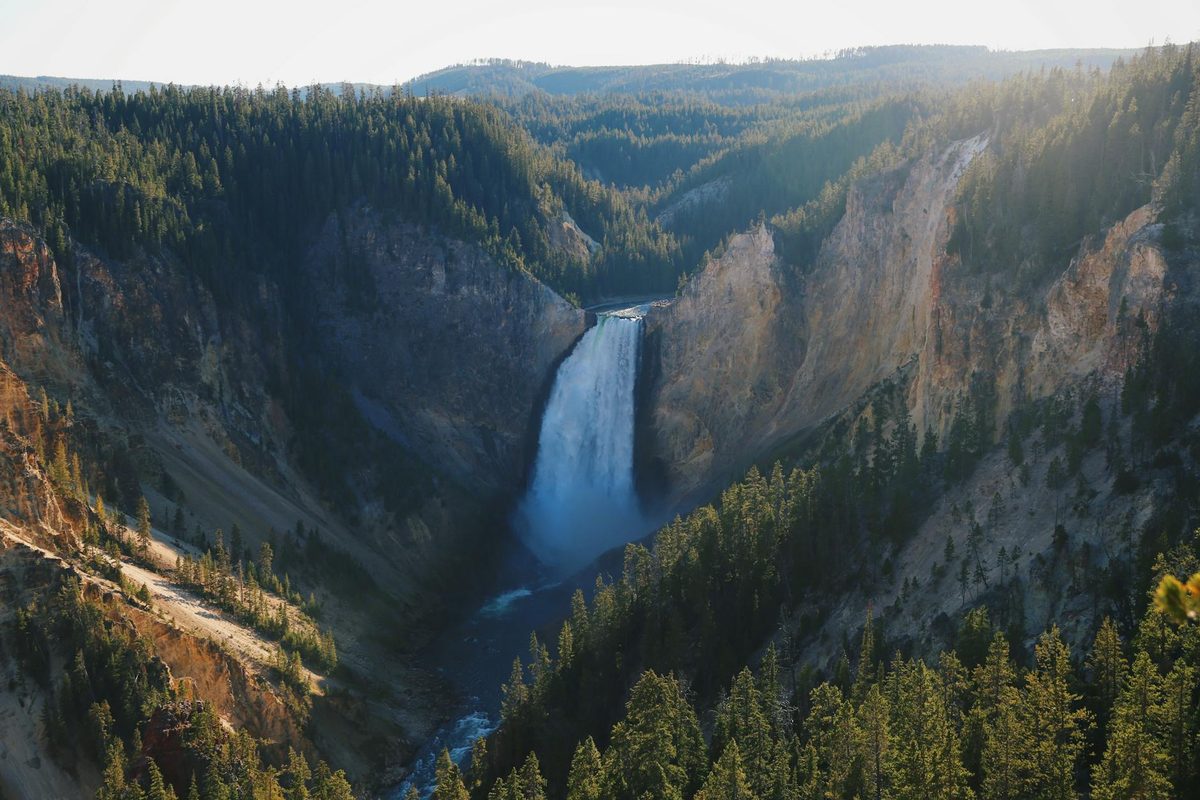
Yellowstone is the one. If you only ever take your kids to one national park, make it this one. Old Faithful, the Grand Prismatic Spring, bison literally standing in the road — it’s the kind of place where even teenagers put their phones down. The park is massive, so plan on at least three full days. We based out of West Yellowstone and drove in each morning, which worked well but meant early alarms.
One thing: summer crowds are brutal. If you can swing it, go in September when school is just back in session. The weather is still fine and the park is half as crowded.
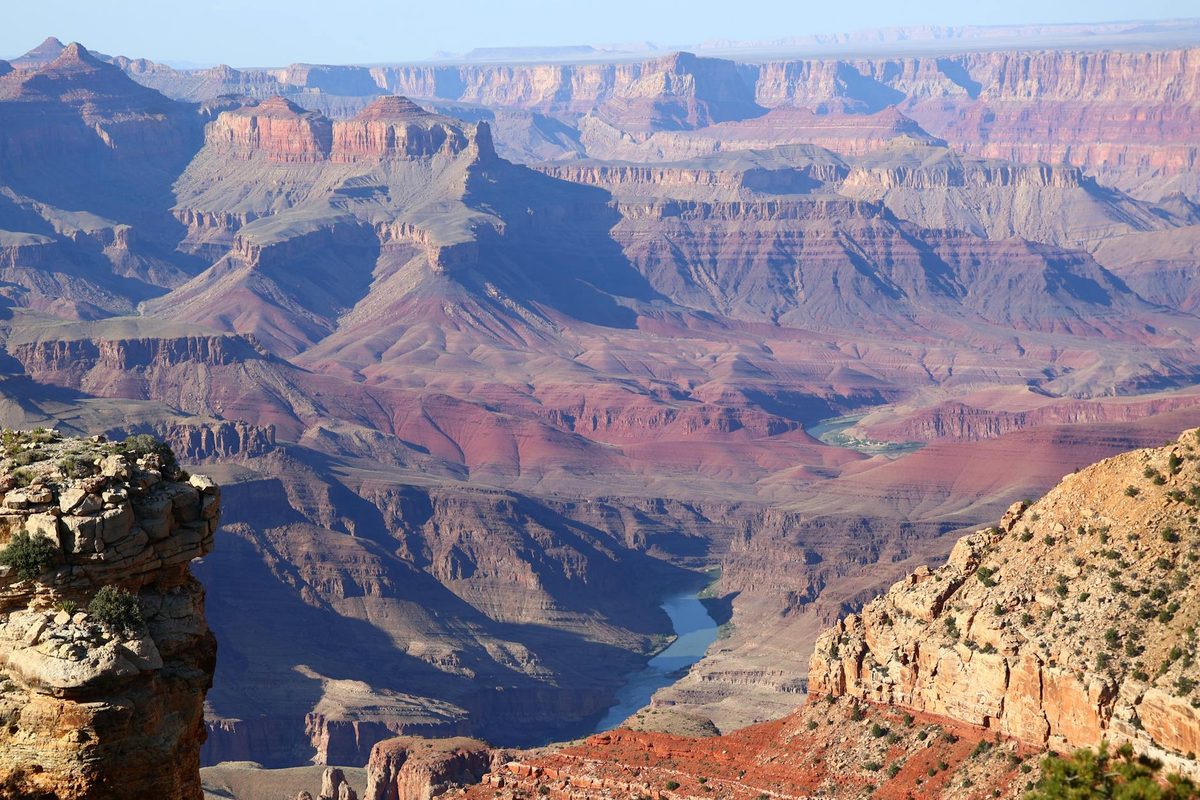
A lot of families combine Grand Canyon with Sedona and/or Page, Arizona (Horseshoe Bend, Antelope Canyon). That’s a solid four or five-day Southwest road trip.
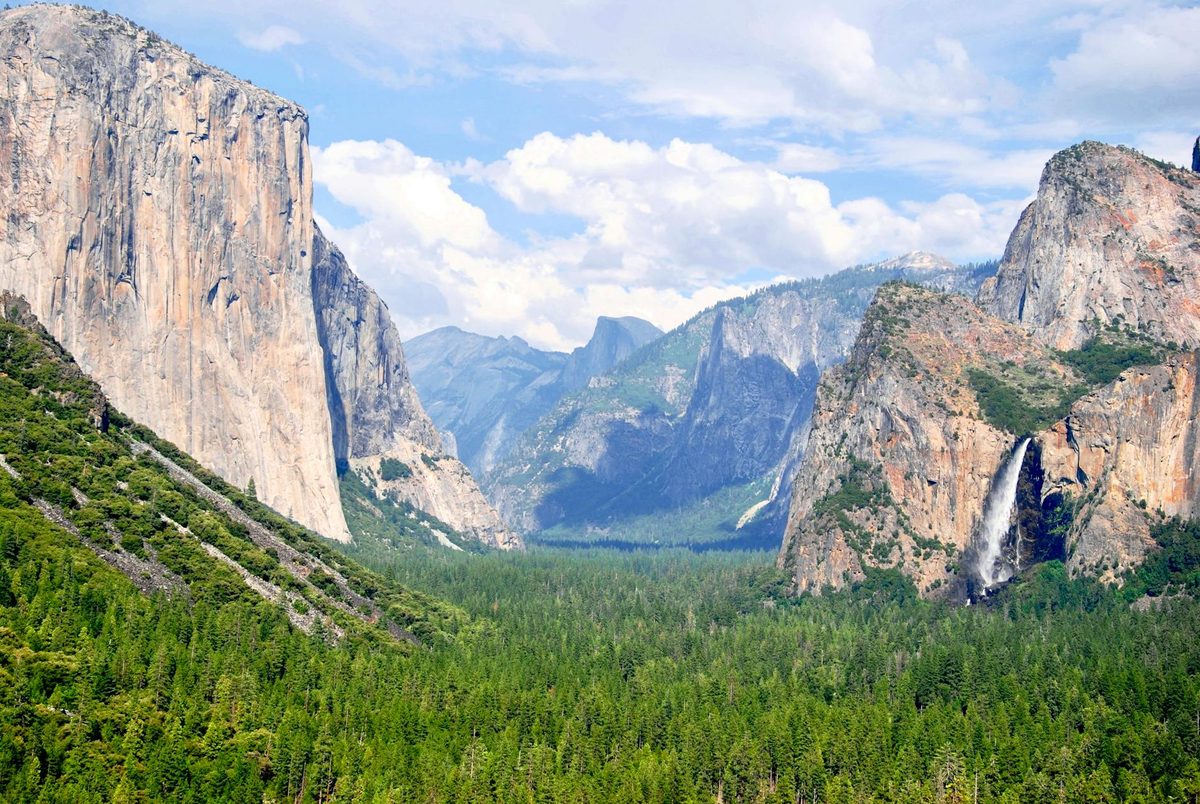
The Smokies are the most visited national park in the country, and the reason is simple: they’re free (no entrance fee), they’re gorgeous, and they’re within a day’s drive of a huge chunk of the East Coast population. Gatlinburg and Pigeon Forge are right at the park entrance, so you get the nature experience plus kid-friendly attractions like Dollywood, go-karts, and approximately nine thousand pancake houses.
It’s not the most “pure” national park experience — it’s more like a national park with a carnival attached. But for families, that combo actually works really well. You hike in the morning, ride go-karts in the afternoon, eat pancakes for dinner. Nobody’s bored, nobody’s complaining. That’s a win.
Glacier is for families who are serious about the outdoors. The scenery is absolutely stunning — turquoise lakes, jagged peaks, glaciers (while they last). But it’s remote, the trails are more challenging, and you need to be bear-aware the entire time. Best for families with kids 8+ who are comfortable hiking 4-6 miles. The Going-to-the-Sun Road is worth the drive even if you don’t hike at all.

NYC with kids is chaos, but it’s the good kind. Central Park alone can eat an entire day — playgrounds everywhere, the zoo, rowboats, street performers. The American Museum of Natural History is still one of the best museums in the country for kids. Top of the Rock beats the Empire State Building for views (shorter lines, better sightlines). And walking through Times Square at night is one of those experiences kids never forget, even if you as an adult are trying to get through it as fast as possible.
Budget tip: so many things in NYC are free or cheap. The Staten Island Ferry gives you a free ride past the Statue of Liberty. Most playgrounds in Central Park are excellent. Street food is everywhere and actually good.

Summer is the only time to go. Chicago winters are genuinely dangerous levels of cold, and spring is unreliable. But June through September? The city opens up — beaches along Lake Michigan, outdoor festivals, rooftop everything.

The National Mall is walkable but long. Bring a stroller even if your kid thinks they’re too old for one. They’ll thank you by mile three. And try to time your visit for spring (cherry blossoms) or fall (cooler weather, fewer school groups).
Boston works especially well for families with kids who are into history — the Freedom Trail, Paul Revere’s house, the USS Constitution, the Boston Tea Party Museum. But even if your kids don’t care about the American Revolution, there’s the New England Aquarium, the Children’s Museum, and the whole waterfront area. It’s a walkable city, it’s smaller than NYC (less overwhelming), and the food — particularly the seafood — is excellent.
Nashville has become one of those cities everyone wants to visit, and it genuinely works with families if you plan it right. The Country Music Hall of Fame has more interactive stuff than you’d expect. The Adventure Science Center is great for kids under 12. And the food scene — hot chicken, barbecue, meat-and-threes — is the kind of stuff kids actually want to eat. Skip Broadway at night with young kids (it’s essentially an outdoor bar district), but during the day it’s fine for a quick walk-through.

Estes Park is the gateway to Rocky Mountain National Park and one of my favorite mountain towns for families. The town itself has enough shops, restaurants, and kid-friendly activities to fill a rainy day, and the park is right there. Trail Ridge Road is drivable and gets you above 12,000 feet — the views are ridiculous. Elk wander through town. It feels like a different country.
Breckenridge is the ski town that’s equally good in summer. Mountain biking, gondola rides, alpine slides, Gold Rush history — there’s a full week of stuff to do without ever touching a ski slope. And summer lodging prices are a fraction of winter rates.
If Glacier National Park is on your list (and it should be — see above), Montana is worth exploring beyond the park. Whitefish is a great base town with excellent restaurants and a genuine small-town feel. And the drive through the state is some of the most beautiful scenery in the country — big sky is not an exaggeration.
Utah has five national parks, and the “Mighty Five” road trip is one of those bucket-list family adventures that works surprisingly well with kids 6+. Zion is the most accessible — the shuttle system makes it easy, and the Riverside Walk is flat and gorgeous. Arches has short hikes to iconic formations. Bryce Canyon looks like another planet. You don’t need to hit all five — pick two or three and give yourself a week.
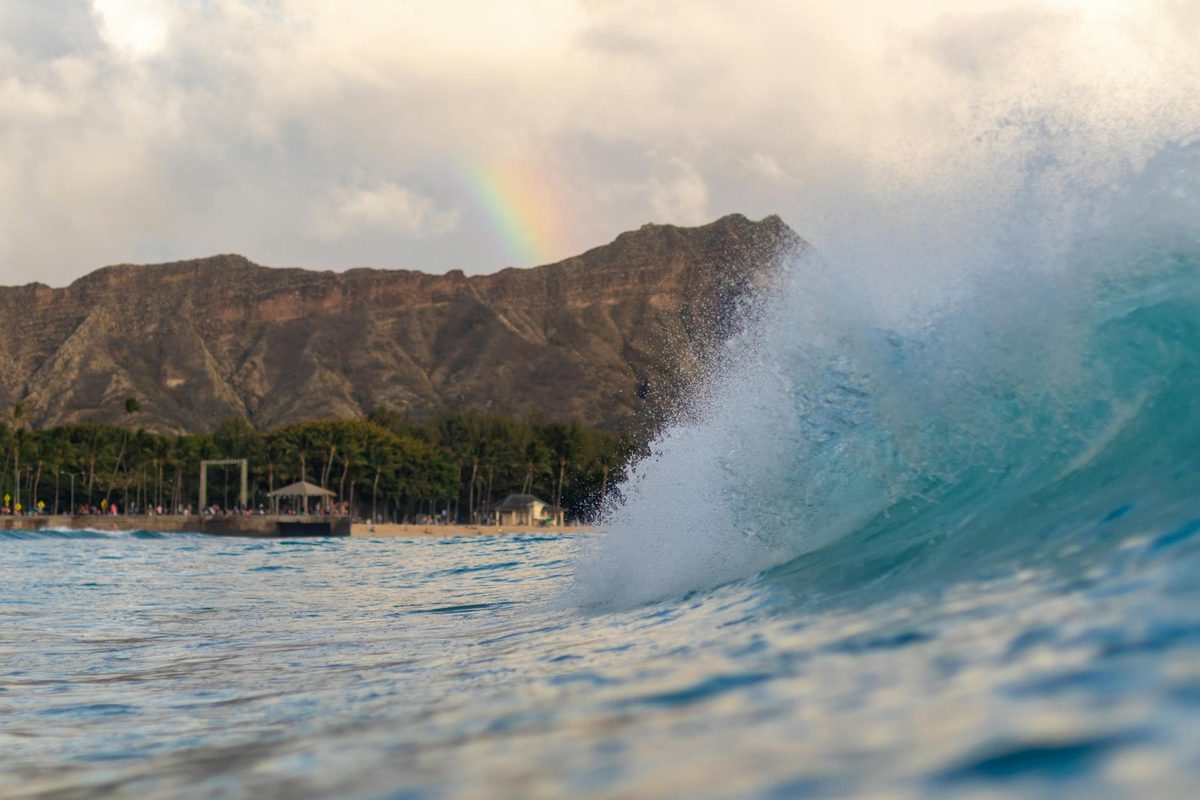
Maui is the best all-around island for families. Ka’anapali Beach is wide, swimmable, and has great snorkeling right off the shore. The Road to Hana is incredible but long — with kids, consider doing half of it and turning around rather than the full loop. Haleakala sunrise is life-changing if your kids can handle a 3am wake-up (mine could not, so we did sunset instead — still amazing).
Oahu is the easiest island logistically — Honolulu has everything, Waikiki Beach is safe and calm for kids, and there’s plenty of non-beach activities. Pearl Harbor is a powerful experience for older kids. The North Shore is worth a day trip for the shave ice alone (seriously, Matsumoto’s is that good). Oahu is more developed and more crowded than the other islands, but that also means more restaurants, more activities, and more options when it rains.
The Big Island is for families who want something different. Hawaii Volcanoes National Park is unlike anything else in the country — where else can your kids see an active volcano? The black sand beaches are wild. The snorkeling at Kahalu’u Beach Park is easy enough for beginners. It’s more spread out than the other islands, so you’ll need a car and should plan on some long drives between stops. But the diversity is the point — you can go from a tropical beach to a volcanic landscape to a rainforest in one day. No other island does that.
Not every family trip needs to cost $5,000. Some of the best family vacation spots in the US are the ones where you rent a cabin, grill burgers, and let the kids run wild for a week. State parks with cabins, lake trips, camping in the Smokies — all of it costs a fraction of a Disney trip and the kids often have just as much fun. Arguably more, because they’re not standing in lines.
I put together a whole separate guide to cheap family vacations that don’t feel cheap — it covers specific destinations, how to save on lodging, and when to travel for the best deals.
Some water parks are worth building a vacation around. I’m not talking about the sad hotel pool with one slide — I mean the massive, full-day, bring-a-change-of-clothes parks that kids remember forever. Wisconsin Dells has like fifteen of them in one town. Schlitterbahn in Texas is legendary. And a few of the indoor ones (like Kalahari and Great Wolf Lodge) work as winter getaways when everyone’s going stir-crazy in February.
I ranked the best water parks in the country with details on what ages they work best for and what they actually cost.
| Destination | Best Ages | Budget Level | Best Season | Trip Length |
|---|---|---|---|---|
| Orlando (Disney World) | 3-12 | $$$-$$$$ | Oct-Nov, Feb-Mar | 4-6 days |
| Anaheim (Disneyland) | 3-12 | $$$ | Sep-Oct, Jan-Feb | 2-3 days |
| Clearwater Beach, FL | All ages | $$ | Mar-May, Oct | 4-7 days |
| Outer Banks, NC | All ages | $$ | Jun-Aug | 5-7 days |
| Myrtle Beach, SC | All ages | $-$$ | Jun-Aug | 4-7 days |
| Cape Cod, MA | 5+ | $$-$$$ | Jun-Sep | 4-7 days |
| San Diego | All ages | $$-$$$ | Year-round | 4-6 days |
| San Francisco | 8+ | $$$ | Sep-Oct | 3-4 days |
| Yellowstone | 5+ | $$ | Jun-Sep | 3-5 days |
| Grand Canyon | 5+ | $$ | Mar-May, Sep-Nov | 2-3 days |
| Yosemite | All ages | $$ | May-Sep | 2-4 days |
| Great Smoky Mountains | All ages | $-$$ | Jun-Oct | 3-5 days |
| Glacier National Park | 8+ | $$ | Jul-Sep | 3-5 days |
| NYC | 5+ | $$$-$$$$ | Apr-Jun, Sep-Oct | 3-5 days |
| Chicago | 4+ | $$-$$$ | Jun-Sep | 3-4 days |
| Washington, D.C. | 5+ | $-$$ | Mar-May, Sep-Oct | 3-5 days |
| Boston | 5+ | $$-$$$ | May-Oct | 3-4 days |
| Nashville | All ages | $$ | Apr-Jun, Sep-Oct | 2-4 days |
| Colorado (Estes Park) | 4+ | $$ | Jun-Sep | 4-6 days |
| Utah (Mighty Five) | 6+ | $$ | Apr-May, Sep-Oct | 5-7 days |
| Maui | All ages | $$$$ | Apr-May, Sep-Nov | 5-7 days |
| Oahu | All ages | $$$ | Apr-May, Sep-Nov | 5-7 days |
| Big Island | 5+ | $$$ | Apr-May, Sep-Nov | 4-6 days |
Here’s what I’ve learned after years of doing this: the families who have the best trips aren’t the ones who try to see everything. They’re the ones who pick one region, slow down, and actually experience it. You don’t need to hit Orlando AND the Grand Canyon AND Hawaii in one year. Pick one. Do it well. Let your kids get bored at the pool for an afternoon. Eat at the same restaurant twice because they loved it the first time.
The best family vacations in the USA aren’t about checking destinations off a list. They’re about coming home with a few good stories and kids who can’t stop talking about the one thing they did — whether that’s seeing a bison up close in Yellowstone or eating their weight in deep-dish pizza in Chicago or just building sandcastles for three straight hours on a beach in Florida.
Pick one. Book it. Go.