Physical Address
304 North Cardinal St.
Dorchester Center, MA 02124
Physical Address
304 North Cardinal St.
Dorchester Center, MA 02124
My seven-year-old was standing on a boardwalk in Yellowstone, watching Old Faithful build toward its eruption, and he turned to me with this look on his face — total disbelief that what he was seeing was actually real. That moment right there? That’s why I keep dragging my kids to national parks instead of booking another all-inclusive resort.
I’ve been to 19 national parks with my kids over the past eight years. Some were incredible. Some were a disaster. (Looking at you, Death Valley in July with a toddler.) So here’s my actual, honest ranking of the best national parks for families — based on which ones my kids still talk about, which ones didn’t make me want to cry in the parking lot, and which ones are genuinely worth the effort of getting there with small humans.
This isn’t one of those lists where every park gets a glowing review. Some of these parks are hard with little kids. Some are overrated. I’ll tell you which ones.
If you’re planning a bigger trip around the US, check out my full guide to the best family vacations in the USA — national parks are a huge part of it, but there’s a lot more worth considering too.
The Cades Cove loop drive is the move. It’s an 11-mile one-way road through a valley, and you’ll almost certainly see deer, wild turkeys, and probably black bears. My kids pressed their faces against the car windows the whole time. We did it early in the morning and had basically no crowds — go after 10am and you’ll be sitting in traffic.
Best ages: Literally any age. I first took my youngest when he was 18 months. The paved Gatlinburg Trail is stroller-friendly, and older kids will love Clingmans Dome (the highest point in the park, with a steep but short half-mile walk).
Entrance fee: Free. The only fees are for parking in some areas ($5-$20 depending on the lot). That’s it.
Where to stay: We’ve done both camping and staying in Gatlinburg. The Elkmont campground is solid — flush toilets, running water, spots along the river. If you want a roof over your head, there are hundreds of cabin rentals in Gatlinburg and Pigeon Forge. We usually book a cabin because the hot tub after a day of hiking is non-negotiable for me.
Best time to visit: October for fall colors is unbeatable but crowded. June is our go-to — warm enough for creek play, not insanely packed. Avoid July 4th week unless you enjoy bumper-to-bumper traffic on mountain roads.
And here’s a bonus: the Smokies are within a day’s drive of a ton of great Florida beaches, so you can easily combine a mountain trip with a beach trip. We’ve done Smoky Mountains to Gulf Shores in about 8 hours.
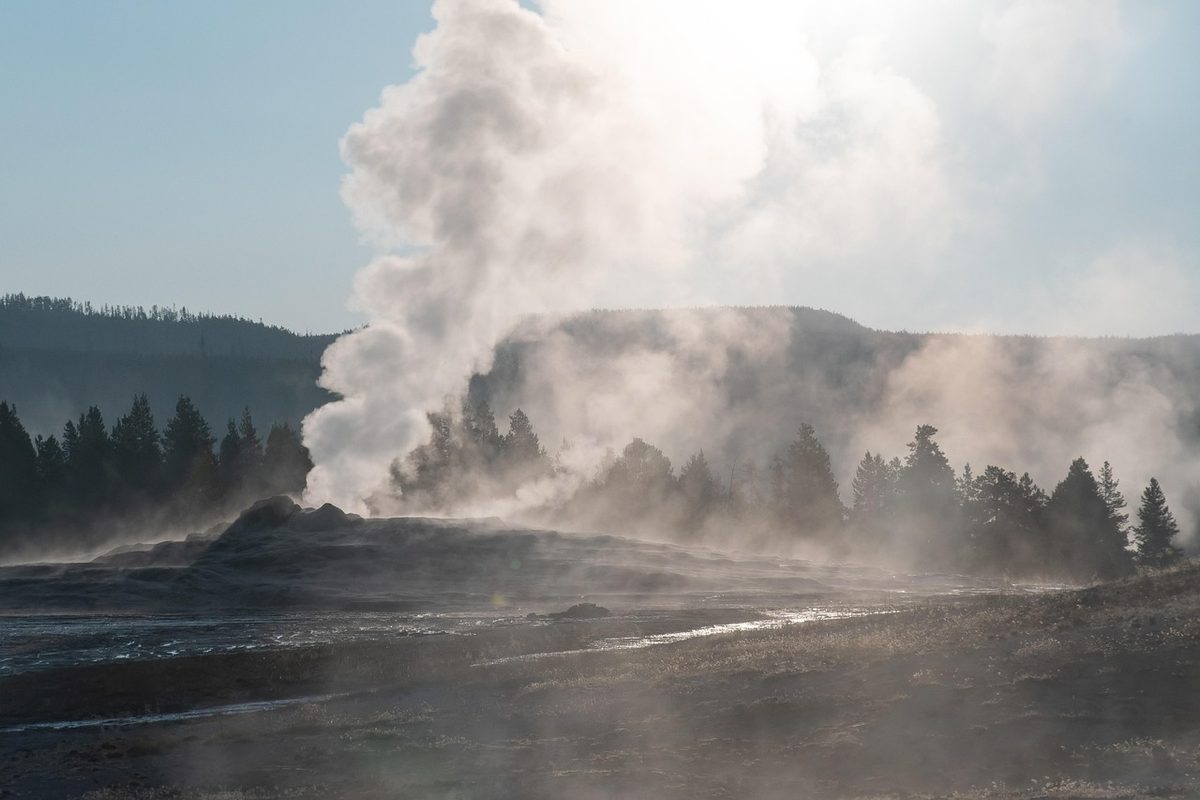
The geothermal stuff is the obvious draw — Old Faithful, Grand Prismatic Spring, Mammoth Hot Springs — and it’s all accessible via boardwalks. You don’t need to hike at all if you don’t want to. Just drive between thermal areas, walk the boardwalks, and your kids will be blown away.
The wildlife is the other reason this park ranks so high. We saw bison practically every day (they sometimes block the road, which honestly my kids thought was the best part of the whole trip). Elk, pronghorn, even a grizzly bear from a very safe distance.
Best ages: 4 and up. Younger kids can do it, but there’s a lot of “don’t touch that, it’s literally boiling” supervision required near thermal features. The boardwalks don’t have high railings in many spots. I was a nervous wreck with my two-year-old.
Entrance fee: $35 per vehicle (7-day pass). Or just get the America the Beautiful Pass for $80 — it covers every national park for a full year. If you’re visiting more than two parks, it pays for itself immediately.
Where to stay: Old Faithful Inn is iconic and books up 6-12 months in advance. We stayed at Canyon Lodge, which was fine — nothing fancy, but the location near the Grand Canyon of the Yellowstone was perfect. Camping in the park is also great if your kids are good campers. Bridge Bay and Madison are the most family-friendly campgrounds.
The Junior Ranger program here is one of the best in the entire NPS system. My kids spent hours working through the booklet, and the ranger who gave them their badges actually made it feel special instead of just rubber-stamping it.
Best time to visit: Late June through August. The park is enormous and much of it is above 7,000 feet — it can snow in June. September is beautiful but some facilities start closing. Don’t even think about going before Memorial Day unless you want half the roads closed.
Honest take: The crowds in July and August are intense. Like, waiting-20-minutes-for-a-parking-spot intense. But it’s still worth it. Just start your days early.
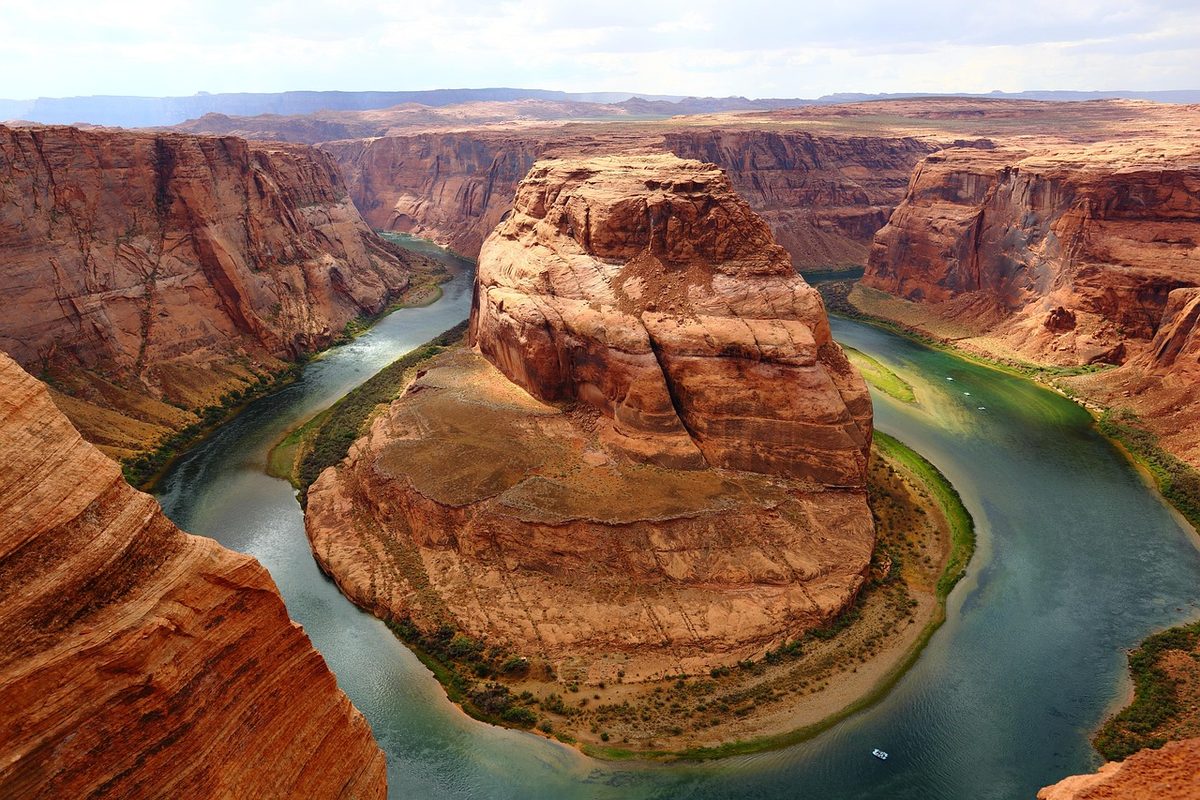
We hiked the first mile and a half of Bright Angel Trail, which goes down into the canyon. That was enough for my 6 and 8-year-olds — they got the experience of being inside the canyon without it being a death march. Going down is easy. Coming back up is where it gets real. Bring twice as much water as you think you need.
Best ages: 5 and up for meaningful enjoyment. Younger kids won’t really “get it,” and you’ll spend the whole time keeping them away from edges. A carrier or backpack for toddlers works, but you’ll be stressed.
Entrance fee: $35 per vehicle (7-day pass).
Where to stay: El Tovar Hotel on the rim is incredible but expensive ($300+ per night) and books up a year in advance. Maswik Lodge is the more affordable in-park option. Tusayan (the town just outside the south entrance) has chain hotels that are perfectly fine and half the price. We stayed at a Holiday Inn Express there and it was totally adequate.
The IMAX theater in Tusayan shows a Grand Canyon film that’s actually decent and gives kids context for what they’re looking at. Worth the $15 if your kids are the type who need a story to go with the scenery.
Best time to visit: March through May or September through October. Summer is brutally hot (100+ on the rim, even hotter inside the canyon) and crowded. We went in April and the weather was perfect — 60s and sunny.
Honest take: You can see the Grand Canyon in a day. Two days max. There’s not a ton of variety in activities for kids compared to Yellowstone or the Smokies. But the sheer “wow” factor makes it a must-do at least once.
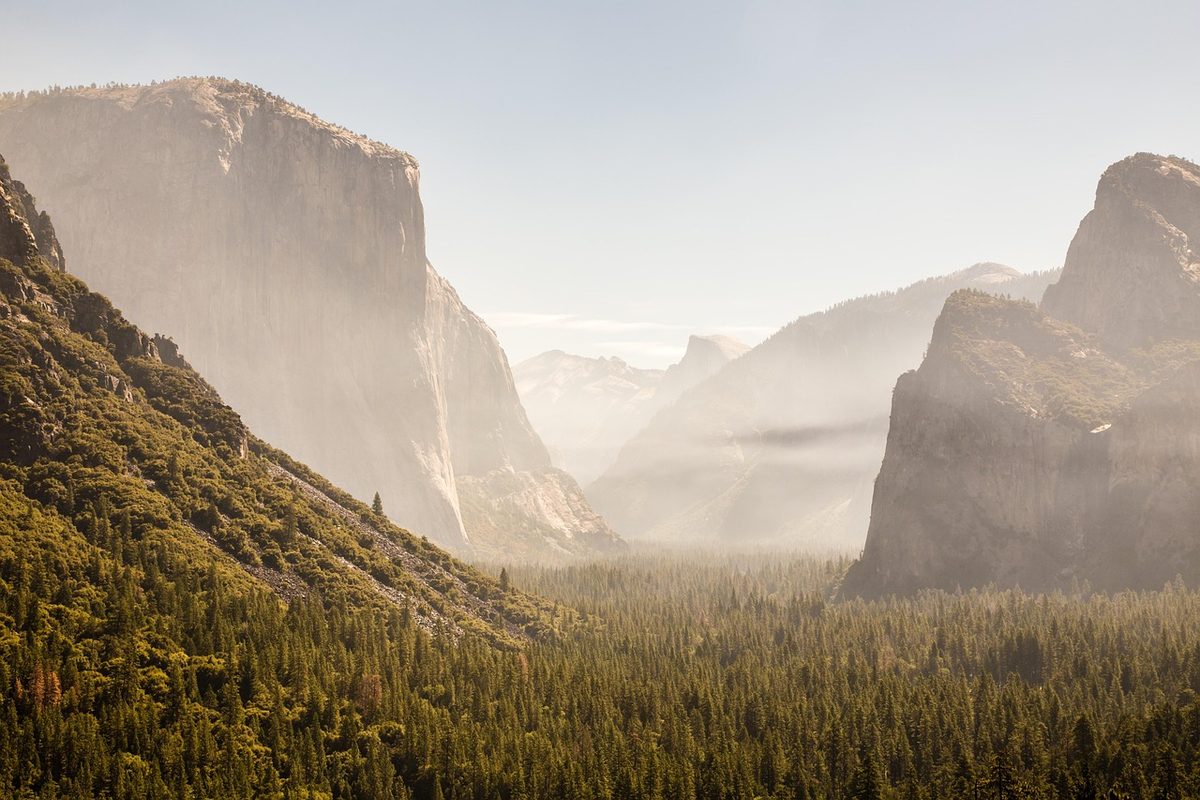
The valley floor is flat, which makes it shockingly easy to explore with kids. You can bike it, walk it, or take the free shuttle. The hike to Lower Yosemite Falls is a half-mile loop on a paved path — doable with a stroller. For older kids, the Mist Trail to Vernal Fall is the quintessential Yosemite experience (you’ll get soaked from the spray, which kids love, but the granite steps are slippery).
Best ages: All ages for the valley floor. 6+ for the more interesting hikes like Mist Trail.
Entrance fee: $35 per vehicle (7-day pass).
Where to stay: Curry Village (now called Half Dome Village) has tent cabins that feel like camping without the hassle — communal bathrooms, cafeteria, and you can see Half Dome from the meadow. The Ahwahnee Hotel is the fancy option if you’re celebrating something. Outside the park, Mariposa has budget motels and is about 45 minutes from the valley.
Best time to visit: Late May through June for peak waterfalls. By August, a lot of the falls slow to a trickle. We made the mistake of going in late July once and Yosemite Falls was completely dry. Still beautiful, but the waterfalls are kind of the whole point.
Honest take: Yosemite Valley gets absolutely slammed in summer. Like, can’t-find-parking-at-9am slammed. But you know what? It’s famous for a reason. Even with the crowds, standing in front of Yosemite Falls is one of those moments your kids will remember forever.
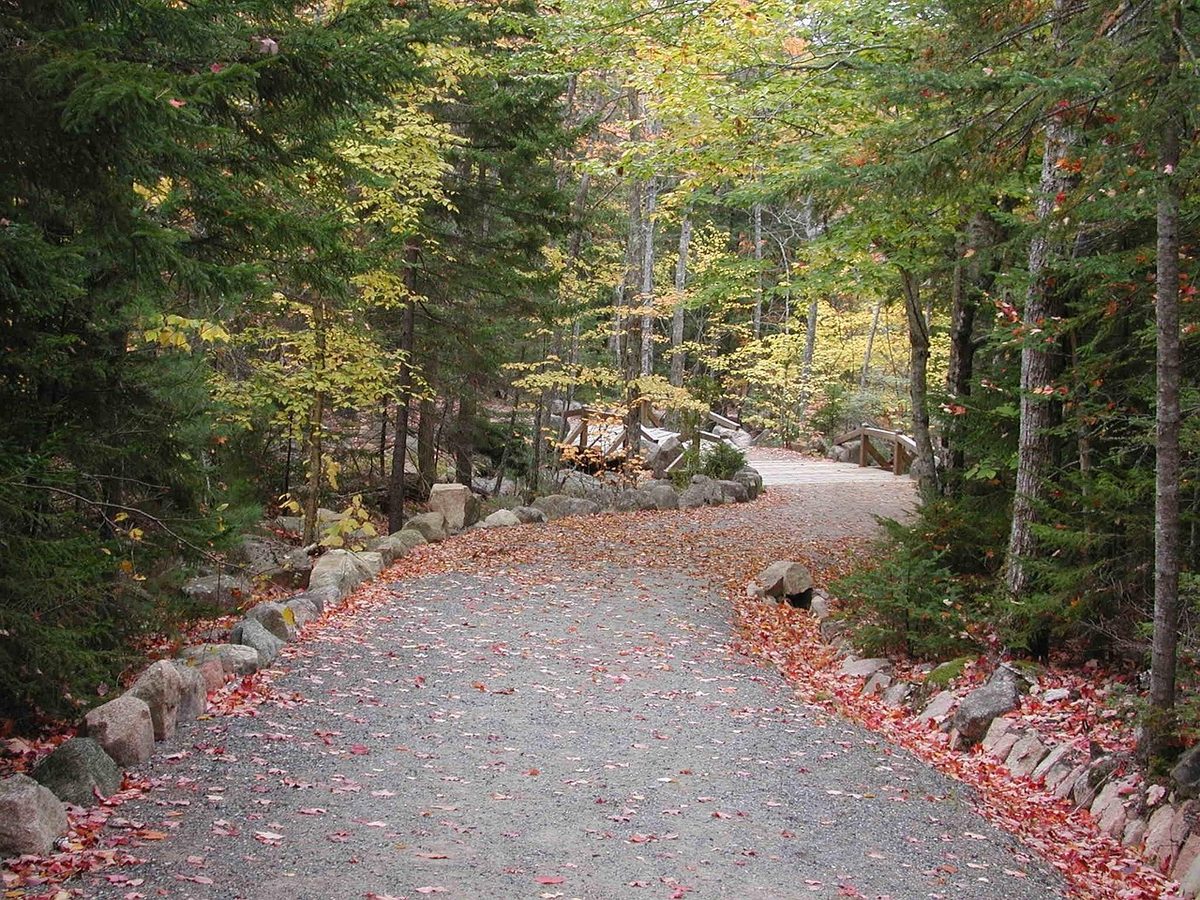
The tide pools at low tide are free entertainment. Bar Harbor is a cute town with ice cream shops and restaurants. Jordan Pond House popovers are a must (get there early — the wait gets ridiculous by noon). And Cadillac Mountain at sunrise is technically the first place the sun hits the US for part of the year, which is a cool fact to tell your kids even if you don’t drag them up there at 4:30am.
Best ages: All ages, but especially great for 4-10. The biking, tide pools, and beach play hit the sweet spot.
Entrance fee: $35 per vehicle (7-day pass). Vehicle reservation required June-October ($6).
Where to stay: Bar Harbor has everything from B&Bs to regular hotels. We stayed at an Airbnb in town and walked to restaurants. Blackwoods campground inside the park is convenient but books up fast. Seawall campground is slightly less insane to get a reservation at.
Best time to visit: September and early October. The fall foliage in Maine is stunning, the summer crowds thin out, and the weather is cool but comfortable. July and August work too but Bar Harbor gets very busy.
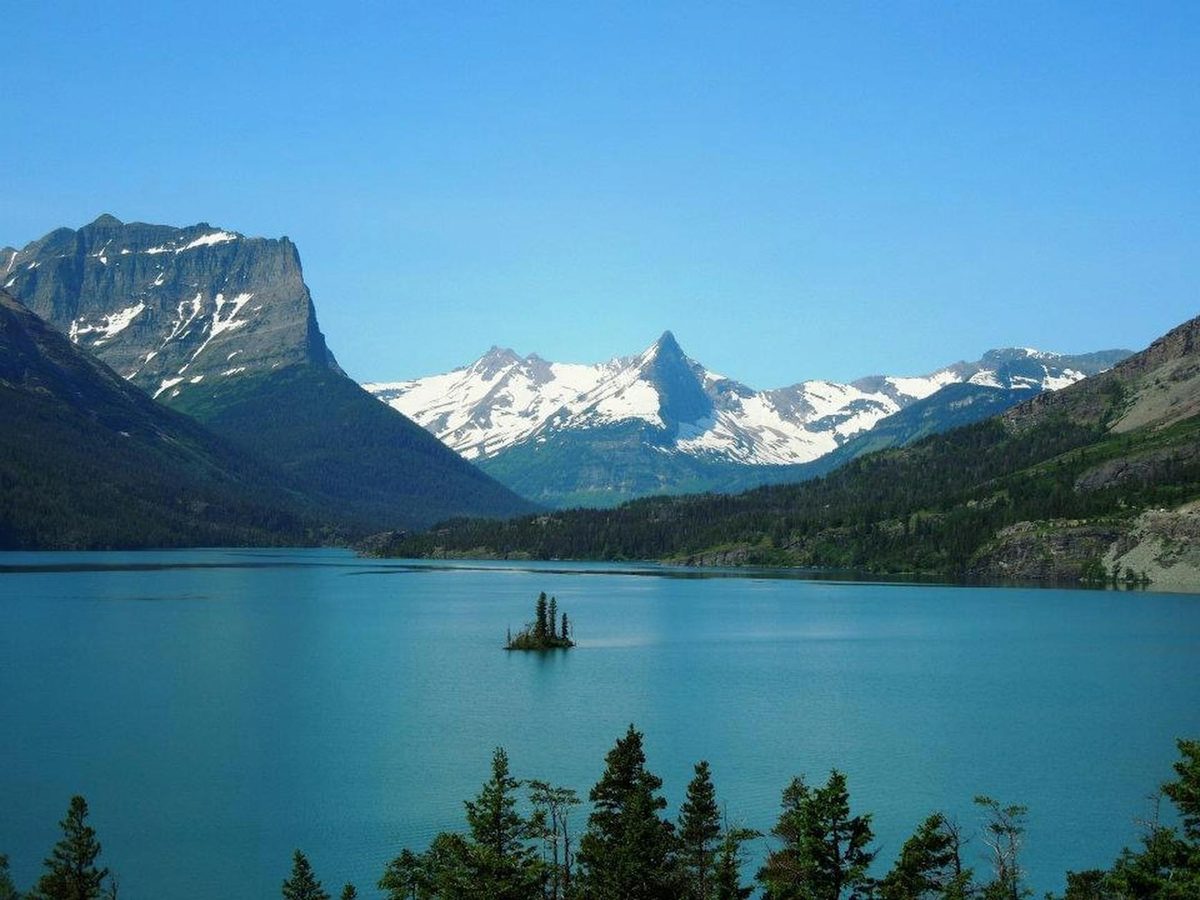
Going-to-the-Sun Road is a 50-mile drive across the Continental Divide that will simultaneously thrill and terrify you. The road is narrow, the drop-offs are significant, and your kids will either love it or be screaming. Mine loved it. I was white-knuckling the steering wheel.
The boat tours on the glacial lakes are the best family activity here. They run about an hour, a ranger gives a talk, and you don’t have to hike at all. The one on St. Mary Lake is particularly good.
Best ages: 6 and up, honestly. Younger kids won’t be able to do much of the hiking, and the main draw of Glacier is getting out on the trails. If you’re willing to stick to boat tours and scenic drives, you could bring younger kids.
Entrance fee: $35 per vehicle (7-day pass). Vehicle reservation required for Going-to-the-Sun Road ($2).
Where to stay: Many Glacier Hotel is old and the rooms are small, but the location on Swiftcurrent Lake is spectacular. Lake McDonald Lodge on the west side is another option. If you’re camping, Apgar campground is the biggest and most accessible.
Best time to visit: July and August only. Going-to-the-Sun Road typically doesn’t fully open until late June or early July (snow!) and closes in mid-October. The window is narrow.
Honest take: This is a park you should save until your kids are old enough to hike at least 4-5 miles comfortably. If you go with toddlers, you’ll see the scenery from the car and a few viewpoints, and you’ll miss 80% of what makes Glacier special.
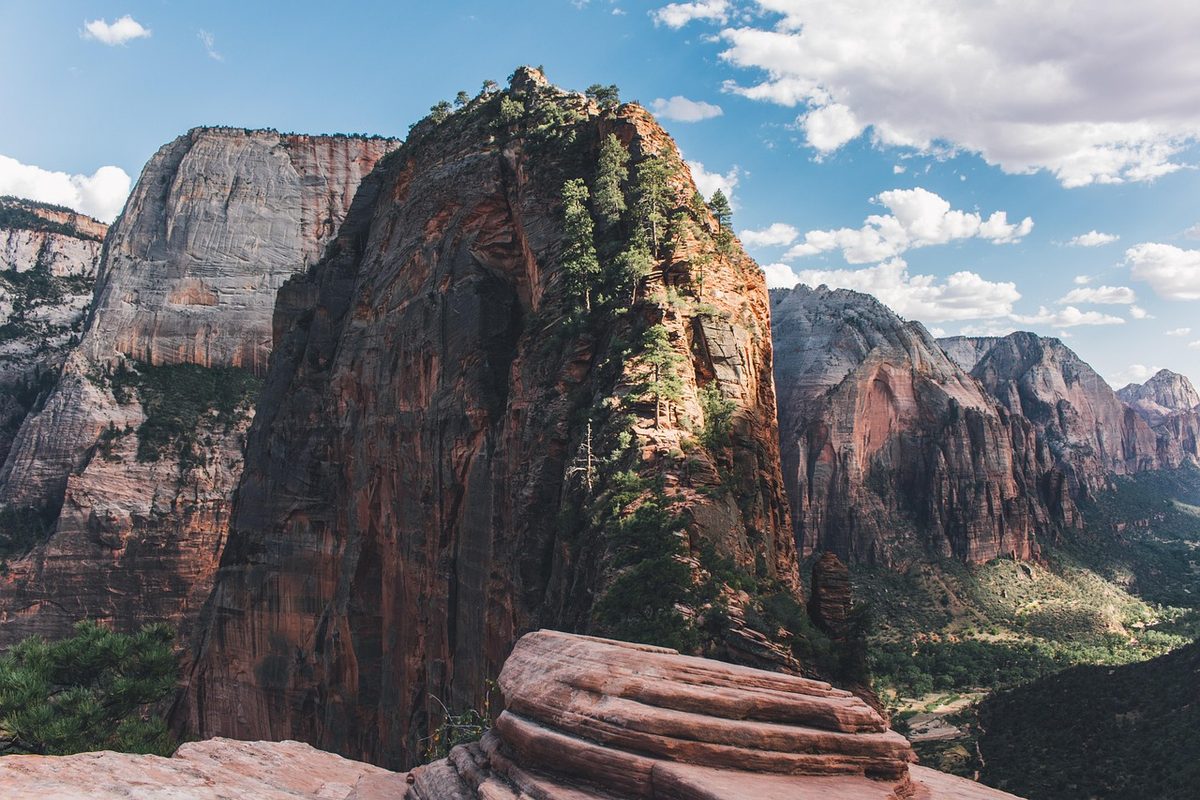
The Riverside Walk is the star attraction for families. It’s a paved, flat, 2.2-mile round trip along the Virgin River at the bottom of the canyon. Stroller-friendly the entire way. The canyon walls tower above you, and in summer, kids can wade into the river at the end of the trail.
The Emerald Pools trail is another solid family option — Lower Emerald Pool is an easy 1.2-mile round trip to a waterfall. The Upper pool adds more distance and elevation but is worth it for kids 7+.
Best ages: 3 and up for Riverside Walk and Lower Emerald Pools. 8+ if you want to tackle Angels Landing (which honestly, I wouldn’t do with kids under 12 — the chains section is genuinely scary).
Entrance fee: $35 per vehicle (7-day pass).
Where to stay: Springdale (the town right outside the park entrance) is charming with restaurants, shops, and hotels at every price point. Zion Lodge inside the park is the only in-park lodging and it’s nice but expensive. Watchman Campground is right by the visitor center and is one of the best NPS campgrounds I’ve stayed at — riverside sites are incredible.
Best time to visit: April-May or September-October. Summer works but it regularly hits 105+ degrees in the canyon. We went in April and it was low 70s and perfect. March can still be chilly.
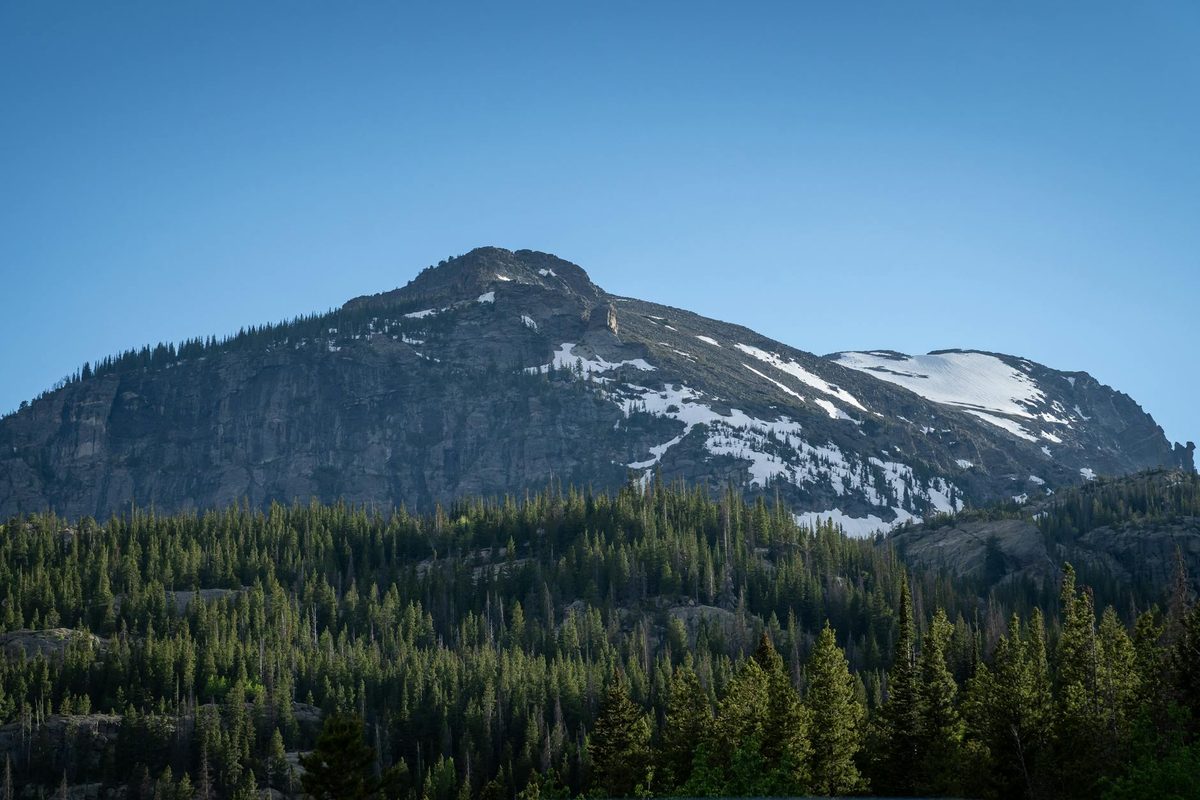
Trail Ridge Road is the main event — the highest continuous paved road in the country, topping out at 12,183 feet. You’ll drive above the treeline, through alpine tundra, with views that go on forever. My kids thought it was “like driving on the moon.”
The elk watching in Estes Park and the Kawuneeche Valley is phenomenal, especially during the fall rut (September-October). The elk come right down into town. I’m talking elk on the golf course, elk in parking lots, elk just standing in the middle of the road. My kids couldn’t believe it.
Best ages: All ages, but the altitude is a real factor. We got headaches at 12,000 feet, and my youngest got carsick on the winding roads. Bring Dramamine and water.
Entrance fee: $30 per vehicle (7-day pass). Timed entry reservation required ($2).
Where to stay: Estes Park is the gateway town on the east side — tons of hotels, cabins, and vacation rentals. Grand Lake on the west side is quieter and more charming. Moraine Park campground inside the park is the most popular. We stayed in an Estes Park cabin and it was great — walked to restaurants and shops in the evening.
Best time to visit: Late June through September. Trail Ridge Road doesn’t fully open until late May or early June. September is our favorite — fall colors starting, elk rut, and the summer crowds thinning out.
National parks are honestly the best budget vacation for families — I break down why in this guide with tons of other affordable trip ideas.
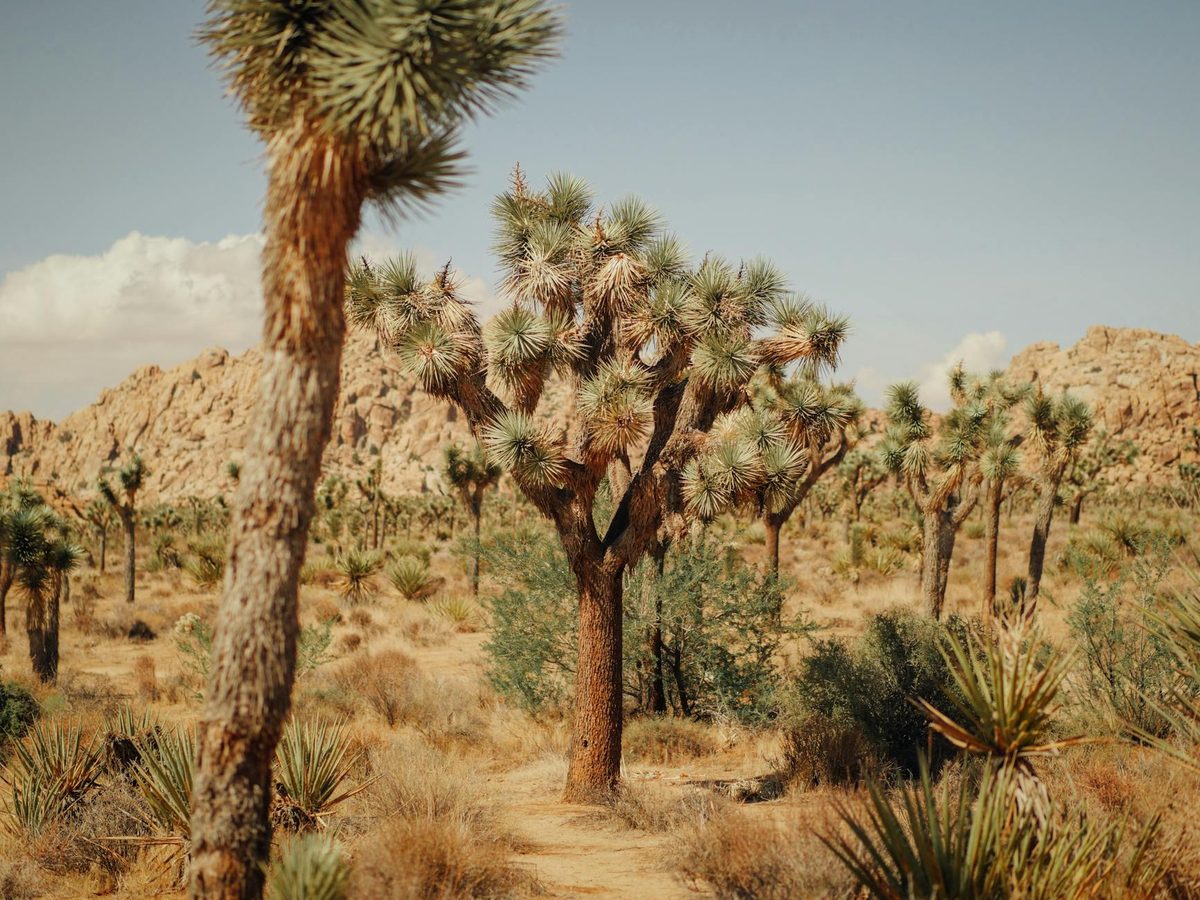
The landscape is otherworldly — like someone dropped you on Mars but with weird spiky trees everywhere. Skull Rock is a quick stop that kids love (it’s a rock that looks like a skull, and my kids photographed it from every possible angle). The Cholla Cactus Garden is cool but keep little hands away — those spines are no joke.
Stargazing here is out of this world. Joshua Tree has some of the darkest skies in Southern California, and the park hosts regular night sky programs. We brought a blanket, laid out in a parking area, and counted shooting stars. One of my kids’ all-time favorite park memories.
Best ages: 4 and up. Toddlers are hard here because there’s not much shade and the terrain is rocky. But school-age kids who like to climb? Paradise.
Entrance fee: $30 per vehicle (7-day pass).
Where to stay: Twentynine Palms or Joshua Tree (the town) have motels and Airbnbs. Camping inside the park is the real experience though — Jumbo Rocks campground puts you right among the boulders. No water or hookups, so bring everything. If camping’s not your thing, Palm Springs is about an hour south and has every kind of hotel imaginable.
Best time to visit: October through April. Summer temperatures regularly exceed 110 degrees. We went in March and it was warm during the day, cool at night — perfect for camping.
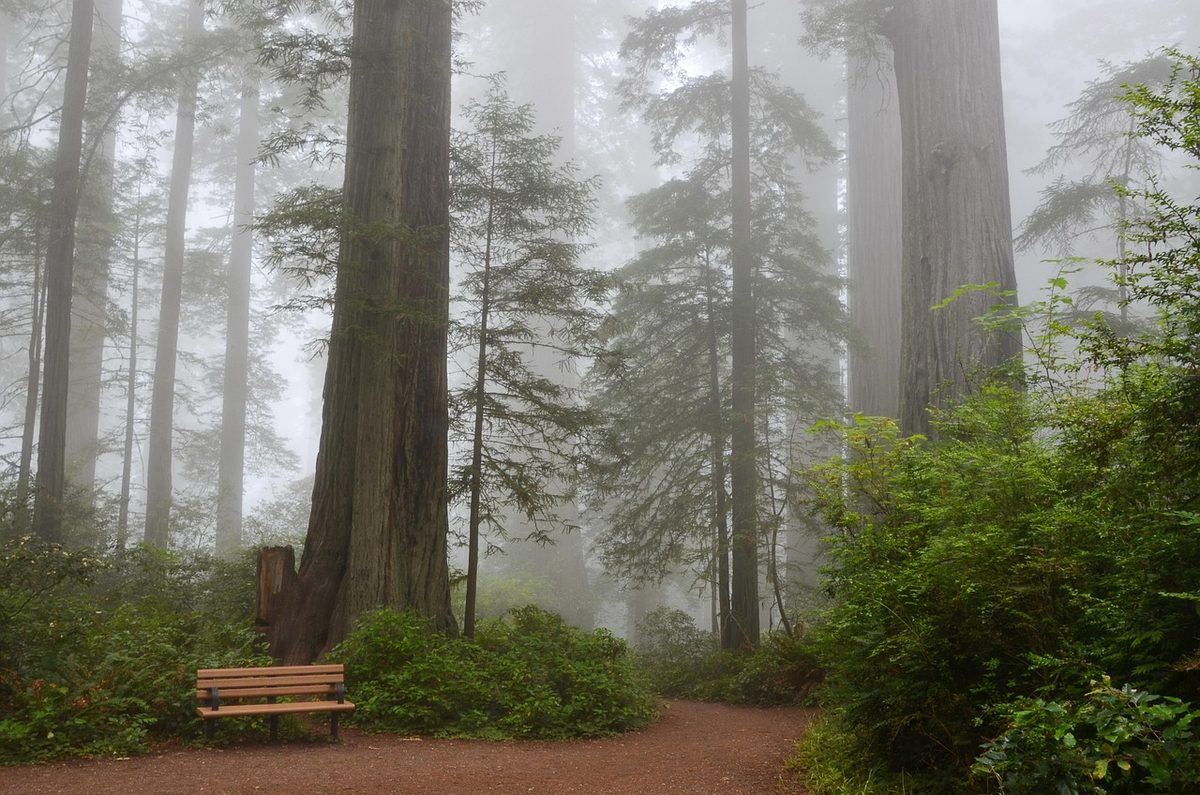
The trails here are short and flat — the Stout Memorial Grove Loop is only 0.6 miles but puts you right among the giants. Lady Bird Johnson Grove Trail is 1.5 miles and has an excellent interpretive trail for kids. And there are several “drive-through” trees in the surrounding area (not in the national park itself) that are the ultimate cheesy tourist photo op.
Best ages: All ages. The flat trails and short distances make this one of the easiest parks for young kids. Even my toddler did fine here.
Entrance fee: Free. No entrance fee for the national park. (Jedediah Smith and Prairie Creek state parks nearby do charge $8.)
Where to stay: Crescent City and Eureka are the nearest towns, and honestly, they’re not tourist destinations. Accommodations are basic — chain motels and a few B&Bs. Elk Meadow Cabins near Prairie Creek are a nice option. Jedediah Smith campground is gorgeous, right on the Smith River.
Best time to visit: June through September for the driest weather. But honestly, the redwoods are impressive rain or shine. The fog drifting through the giants is atmospheric in a way that sunny days can’t match.
Honest take: Redwoods is a one-day park. Two at most. There’s not a huge variety of activities beyond walking among the trees. But that one day is genuinely unforgettable. Combine it with a California coast road trip for the full effect.
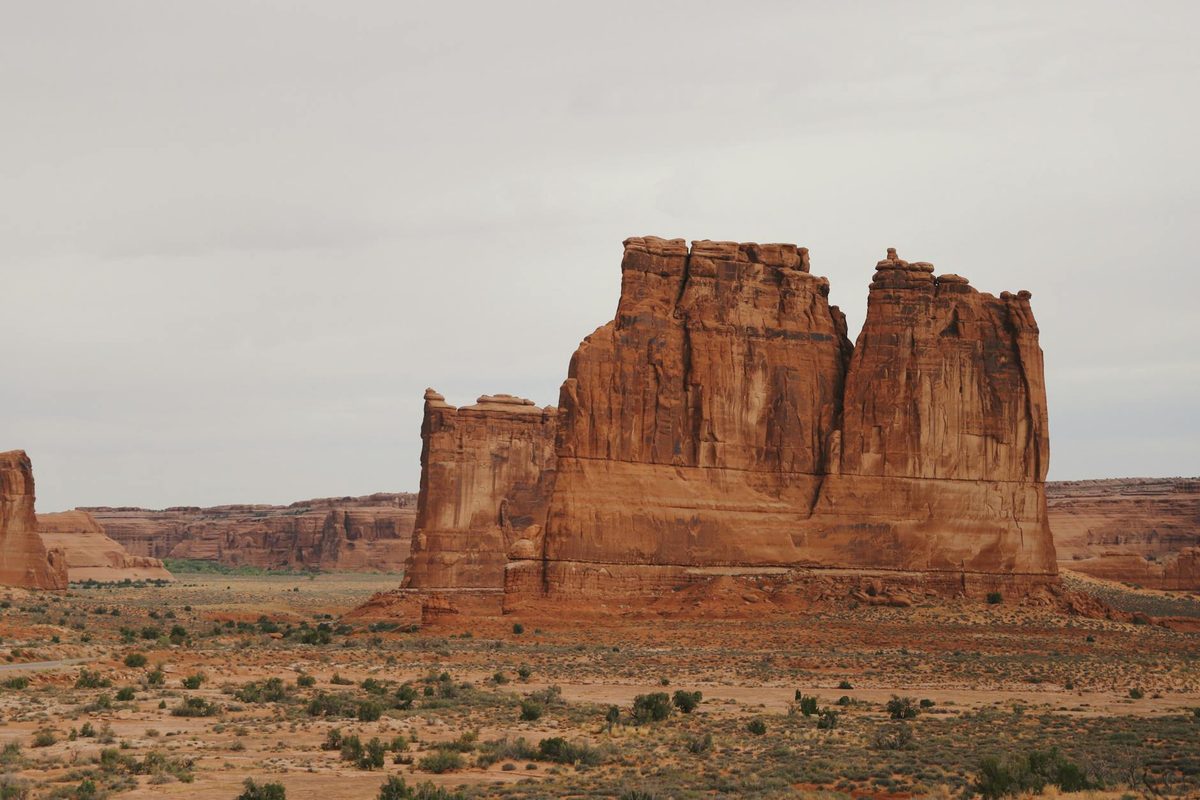
And then there’s Delicate Arch. The hike is 3 miles round trip with 480 feet of elevation gain, and it’s exposed with no shade. Not ideal for small kids in the heat. But if your kids are 7+ and you go in the late afternoon when the arch glows orange at sunset? It’s legitimately one of the top 5 hikes I’ve ever done with my family. We brought headlamps for the walk back in the dark and the kids thought that was the best part.
Best ages: 3+ for the short hikes near the road. 7+ for Delicate Arch.
Entrance fee: $30 per vehicle (7-day pass). Timed entry reservation required April-October ($2).
Where to stay: Moab is the gateway town, and it’s actually a fun little place with good restaurants and adventure outfitters. There are also tons of activities outside the park — mountain biking, river rafting on the Colorado, and Dead Horse Point State Park (which is arguably as scenic as Arches). Devil’s Garden campground inside the park is nice but has only 51 sites.
Best time to visit: April-May or September-October. Summer is brutal — temps reach 100+ and there’s zero shade on most trails. We went in April and it was perfect.
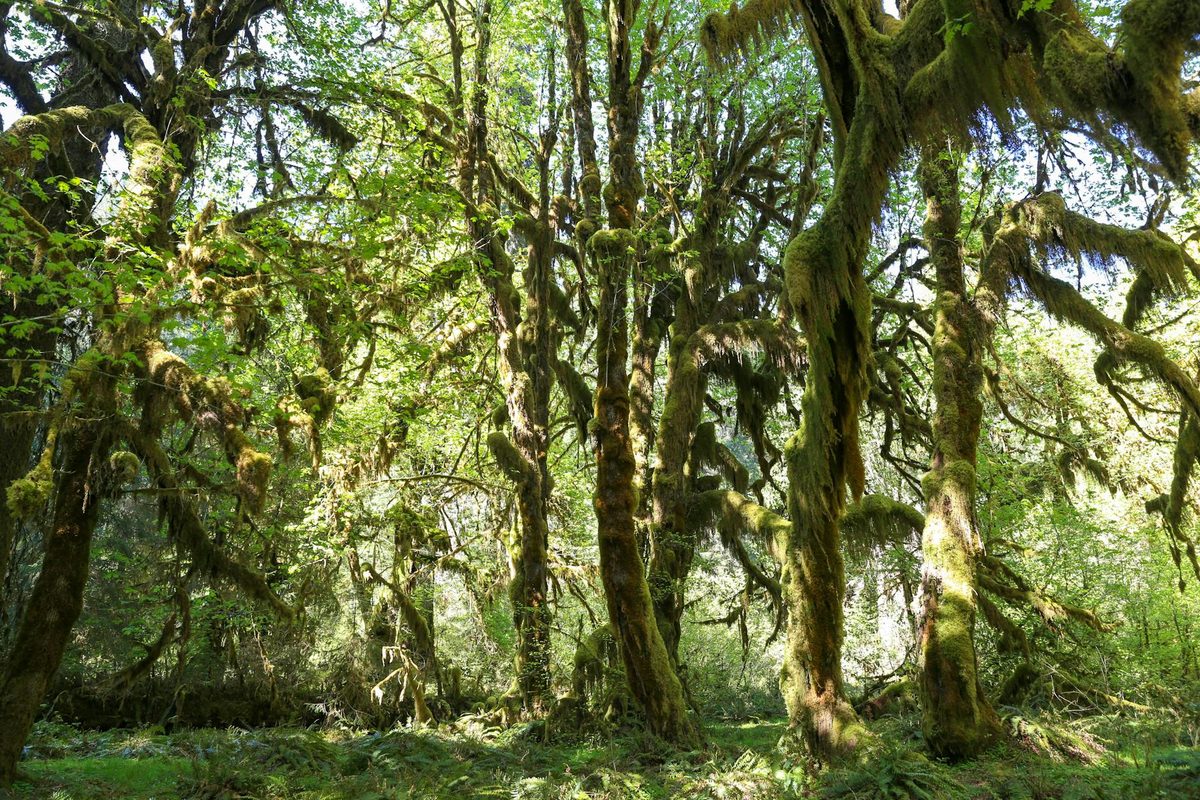
The Hoh Rainforest Hall of Mosses Trail is 0.8 miles and feels like walking through a fairytale. Everything is green — the ground, the trees, even the air feels green. It’s easy enough for any age and weird enough that kids are totally captivated.
The beaches are completely different from East Coast beaches. Rocky, wild, with massive driftwood logs. My kids spent hours building forts out of driftwood while I watched the waves. Not swimming beaches — the water is freezing — but incredible for exploring.
Best ages: All ages for the rainforest and beaches. The alpine areas require more driving and longer hikes, better for 6+.
Entrance fee: $30 per vehicle (7-day pass).
Where to stay: Port Angeles is the main gateway on the north side. Forks (yes, the Twilight town) is closer to the Hoh Rainforest and beaches. Kalaloch Lodge has some oceanfront cabins that are incredible — rustic but right on the bluff above the beach. Sol Duc Hot Springs Resort has cabins and actual hot springs pools that are heavenly after a day of hiking.
Best time to visit: July and August. This is the Pacific Northwest — it rains most of the year. The brief summer window is your best shot at dry weather, though the rainforest is called that for a reason. Bring rain gear regardless.
Honest take: Olympic requires a lot of driving. The park is spread across the entire peninsula, and getting between the rainforest, the beaches, and the mountains means 1-2 hours in the car each time. Plan for at least 3-4 days to really do it justice.
| Park | Best Ages | Difficulty | Entrance Fee | Best Season | Closest Major Airport |
|---|---|---|---|---|---|
| Great Smoky Mountains | Any age | Easy | Free | Jun, Sep-Oct | Knoxville (TYS) — 45 min |
| Yellowstone | 4+ | Easy-Moderate | $35/vehicle | Late Jun-Aug | Bozeman (BZN) — 90 min |
| Grand Canyon | 5+ | Easy (rim) / Hard (trails) | $35/vehicle | Mar-May, Sep-Oct | Flagstaff (FLG) — 80 min |
| Yosemite | Any age | Easy (valley) / Hard (trails) | $35/vehicle | Late May-Jun | Fresno (FAT) — 2.5 hrs |
| Acadia | Any age | Easy | $35/vehicle | Sep-Oct | Bangor (BGR) — 50 min |
| Glacier | 6+ | Moderate-Hard | $35/vehicle | Jul-Aug | Glacier Park Intl (FCA) — 30 min |
| Zion | 3+ | Easy-Moderate | $35/vehicle | Apr-May, Sep-Oct | Las Vegas (LAS) — 2.5 hrs |
| Rocky Mountain | Any age | Easy-Moderate | $30/vehicle | Late Jun-Sep | Denver (DEN) — 90 min |
| Joshua Tree | 4+ | Easy | $30/vehicle | Oct-Apr | Palm Springs (PSP) — 45 min |
| Redwoods | Any age | Easy | Free | Jun-Sep | Arcata (ACV) — 40 min |
| Arches | 3+ | Easy-Moderate | $30/vehicle | Apr-May, Sep-Oct | Grand Junction (GJT) — 1.5 hrs |
| Olympic | Any age | Easy-Moderate | $30/vehicle | Jul-Aug | Seattle (SEA) — 3 hrs |
If you’re visiting two or more parks in a year, buy the America the Beautiful Annual Pass for $80. It covers entrance fees at every national park, national forest, wildlife refuge, and BLM land in the country. Two parks pay for it. Three parks and you’re saving money. We’ve had one every year for the past six years and it’s paid for itself many times over.
Even better: every fourth grader in the US gets a free annual pass through the Every Kid Outdoors program. If you have a kid in 4th grade, grab it before the school year ends. It covers the whole family.
And if you’re trying to stretch the vacation budget, national parks in general are the most affordable family trip you can take. Entry fees are cheap (or free), campgrounds run $20-35 per night, and the entertainment is basically unlimited. Compare that to what you’d spend at a resort — it’s not even close. I’ve got a whole breakdown of cheap family vacations if you’re looking for more ways to save.
After 19 parks with three kids, I’ve learned a few things the hard way.
Start early, finish early. We’re usually on the trail by 7:30 or 8am. The parks are less crowded, the weather is cooler, and my kids have more energy. By 2pm, we’re done for the day. Trying to push past that is a recipe for meltdowns (theirs and mine).
The Junior Ranger programs are gold. Almost every national park has one. You pick up a free booklet at the visitor center, your kids do activities while you explore, and they earn a badge at the end. My kids have a collection of 14 badges now and it gives them something to work toward at each park.
Pack more snacks than you think. And then pack more. Hiking makes kids hungry, park food is overpriced when it exists at all, and a hangry kid on a trail is everyone’s problem. We bring a cooler with sandwiches, fruit, trail mix, and way too many granola bars.
Lower your expectations for daily mileage. Whatever hike distance you think your kids can handle, cut it in half. They’re going to stop to look at every rock, bug, stream, and interesting stick. That’s actually the point — but it means a “2-mile hike” takes two hours.
Layers, always. Mountain parks can go from 75 degrees to 50 degrees in an hour. We keep a lightweight jacket for every kid in the daypack at all times, even in summer.
If you’re considering lodge stays over camping at some of these parks, check out my list of all-inclusive family resorts in the US — a few of them are close enough to national parks to use as a base camp.
If your kids have never been to a national park, start with Great Smoky Mountains. It’s free, it’s easy, it’s close to other fun stuff, and it’ll hook them without overwhelming them.
If your kids are already outdoorsy and you want the trip they’ll remember forever, Yellowstone. Nothing else comes close for that “I can’t believe this is real” factor.
If you’re limited on time and just want the biggest bang for a short trip, Grand Canyon. You can see it in a day and it’ll blow their minds.
And if you want my actual honest advice? Get the annual pass, pick the park closest to you, and just go. Don’t overthink it. Don’t wait until your kids are “the right age.” Every single park on this list gave my family memories we still talk about at the dinner table. Even the trips where things went wrong — especially those, actually.
The parks aren’t going anywhere. But your kids will only be this age once. Take them while they still think hiking with mom is cool.