Physical Address
304 North Cardinal St.
Dorchester Center, MA 02124
Physical Address
304 North Cardinal St.
Dorchester Center, MA 02124

I’d been putting off the Smokies for years. Too crowded, I figured. Too touristy. Then my sister-in-law dragged us there last October, and within about twenty minutes of driving into the park — fog rolling through the valleys, my kids losing their minds over a deer standing ten feet from the car — I realized I’d been an idiot.
Here’s the thing about Great Smoky Mountains National Park that still blows my mind: it’s completely free to enter. No $35 per vehicle like Yellowstone. No reservation system like Rocky Mountain. You just… drive in. America’s most visited national park, 12+ million people a year, and it costs you nothing. (Well, $5 for parking at some trailheads now, but that’s it.)
And honestly? It lives up to the hype. Maybe even exceeds it if you go at the right time. So here’s everything I’d tell a friend planning a Great Smoky Mountains family vacation — the stuff worth doing, the stuff to skip, and the logistics that actually matter.
I’m going to walk through these roughly in order of how much my kids (ages 4, 7, and 10) loved them. Your mileage will vary, but this is the unfiltered version.
This is the one everyone talks about, and for good reason. It’s an 11-mile, one-way loop road through this wide-open valley surrounded by mountains on all sides. Historic cabins, old churches, black bears, white-tailed deer — my kids were glued to the windows the entire time.
The catch: it’s slow. Like, absurdly slow. On a busy Saturday you might spend 3+ hours doing the full loop because everyone stops every time someone spots wildlife. We went on a Wednesday morning and it still took about two hours.
My seven-year-old still talks about the bear we saw near the tree line. It was maybe 80 yards away, just doing its thing, and the whole car went silent. That’s the kind of moment you can’t manufacture.
There are also several short trails off the loop — the Abrams Falls trail is popular (5 miles round trip, a bit much for little kids) and the cabin stops are free to walk through. Budget half a day minimum.
If you only do one hike with your kids in the Smokies, make it this one. It’s 2.6 miles round trip, fully paved, and ends at an 80-foot waterfall. My four-year-old made it the entire way without being carried (a miracle, honestly).
But “paved” doesn’t mean “easy.” There are some steep stretches that’ll get your heart rate up, especially on the way back. And the trail is narrow in spots — passing other hikers with a stroller takes some maneuvering.
The waterfall itself is gorgeous. The kids wanted to climb on the rocks near the base, which is technically allowed but gets slippery. I let the older two do it while keeping the youngest on my hip.
Go before 9am or after 4pm. The parking lot fills up fast and there’s no overflow — once it’s full, you’re out of luck.
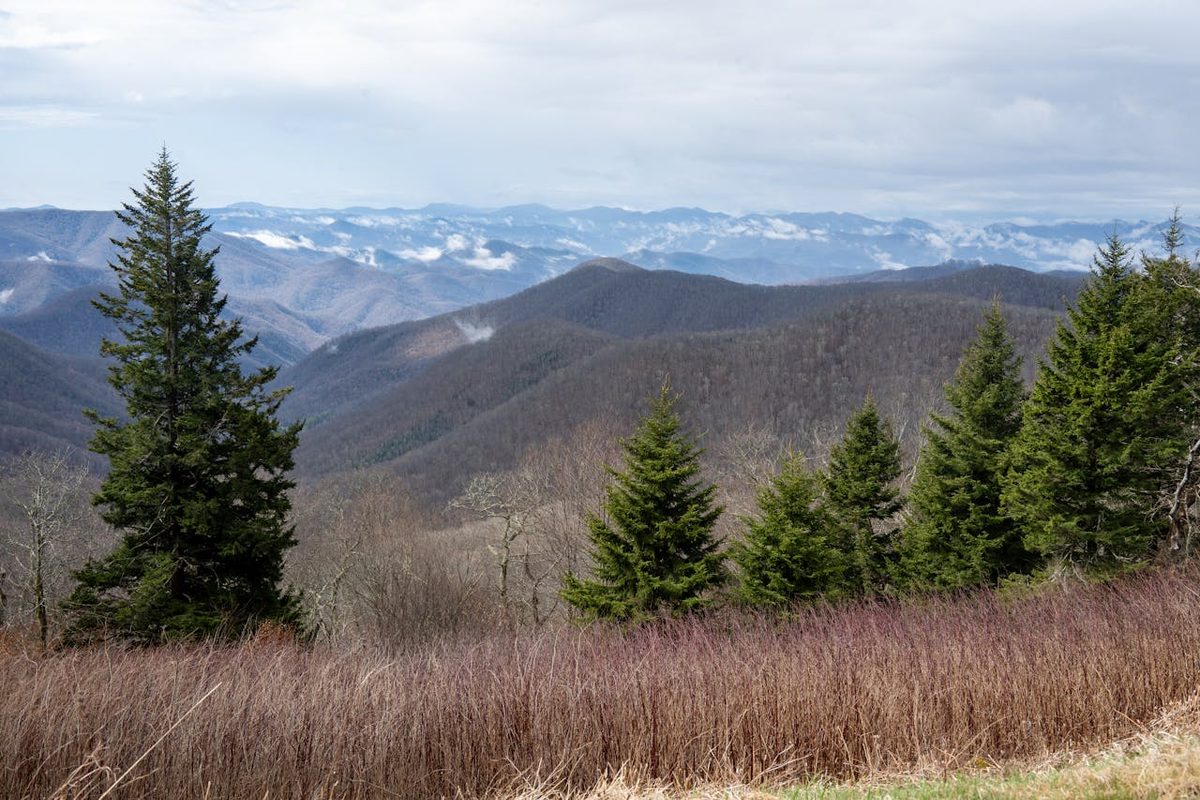
The highest point in the Smokies at 6,643 feet. There’s an observation tower at the top with 360-degree views that’ll make you feel like you’re standing on top of the world. On a clear day you can see for 100 miles in every direction.
The walk up is only half a mile, but it’s steep. Like, surprisingly steep. My four-year-old needed to be carried for about half of it. The older kids were fine but complained the whole way up (and then forgot about it instantly when they saw the view).
The tower itself has a cool spiral ramp design. It’s windy up there — bring a jacket even in summer. Temperatures at the top can be 10-15 degrees cooler than Gatlinburg.
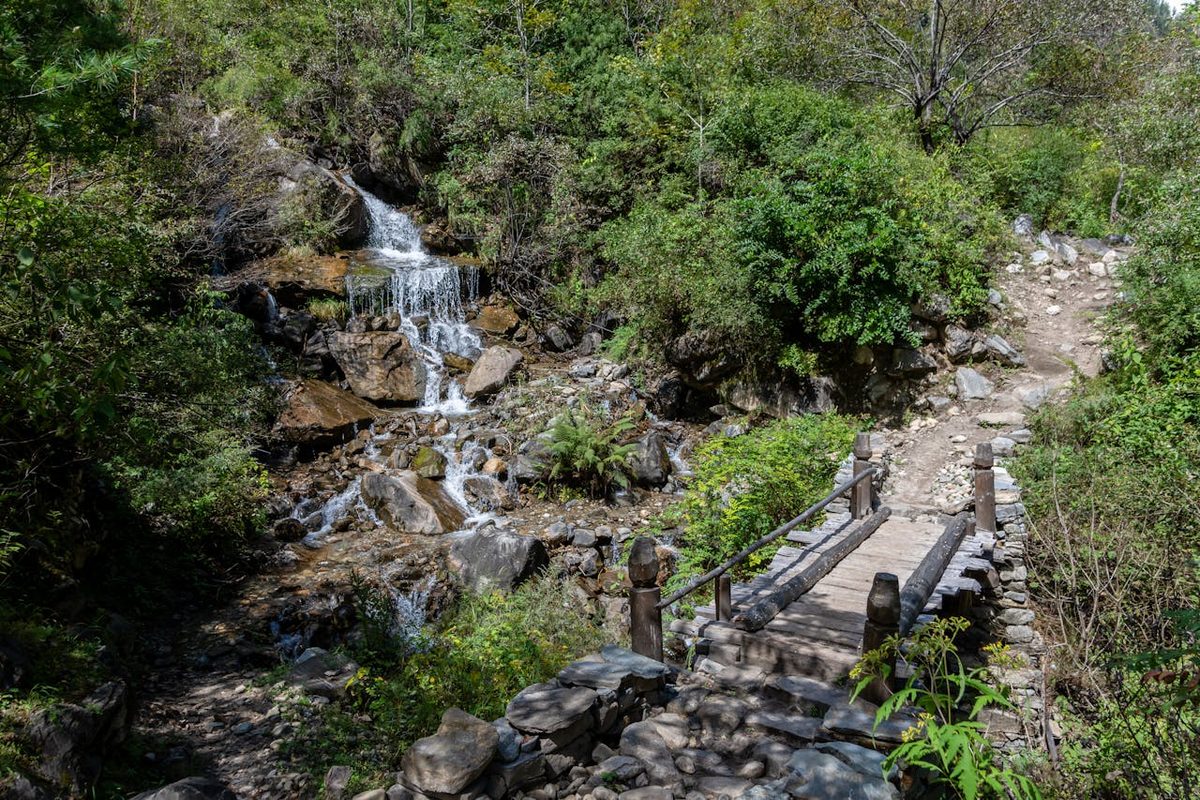
This one surprised me. It’s on the quieter North Carolina side of the park and it has three waterfalls within a couple miles of each other, plus a swimming hole that’s perfect for kids in summer.
But the real draw? Tubing. You can rent inner tubes in nearby Bryson City (about $5-7 per tube) and float down Deep Creek. The “rapids” are gentle enough for kids but exciting enough that they’ll want to do it five more times. My ten-year-old literally begged to go back the next day.
The trail to Juney Whank Falls (yes, that’s the real name — the kids thought it was hilarious) is only about half a mile and leads to a waterfall you can walk behind. Tom Branch Falls is visible right from the road.
A one-way road through old-growth forest that starts right outside Gatlinburg. It’s shorter and less crowded than Cades Cove, and the forest is absolutely stunning — massive old hemlocks and tulip poplars that make you feel tiny.
There are several easy walks off the road: the Grotto Falls trail (2.6 miles round trip) lets you walk behind a waterfall, which thrilled my kids beyond reason. The trailhead for Trillium Gap starts here too, though that’s a longer commitment.
The road itself is narrow and winding — not great if anyone in your car gets carsick. But the stops along the way (old homesteads, rushing streams) are worth the detours. Budget about 1.5-2 hours.
This is the one I’m still kicking myself for missing. Every June, for about two weeks, synchronous fireflies light up in Elkmont — thousands of them blinking in unison in the dark forest. It’s one of only a few places in the world where this happens.
The problem: you need lottery tickets to get in. The lottery opens in late April on recreation.gov, and it sells out almost instantly. The vehicle pass costs $1 plus a $2 recreation fee, so the price isn’t the issue — it’s the luck.
If you can get tickets, my friends who’ve done it say it’s genuinely magical, especially for kids. Just plan your trip around the firefly dates if this is important to you.
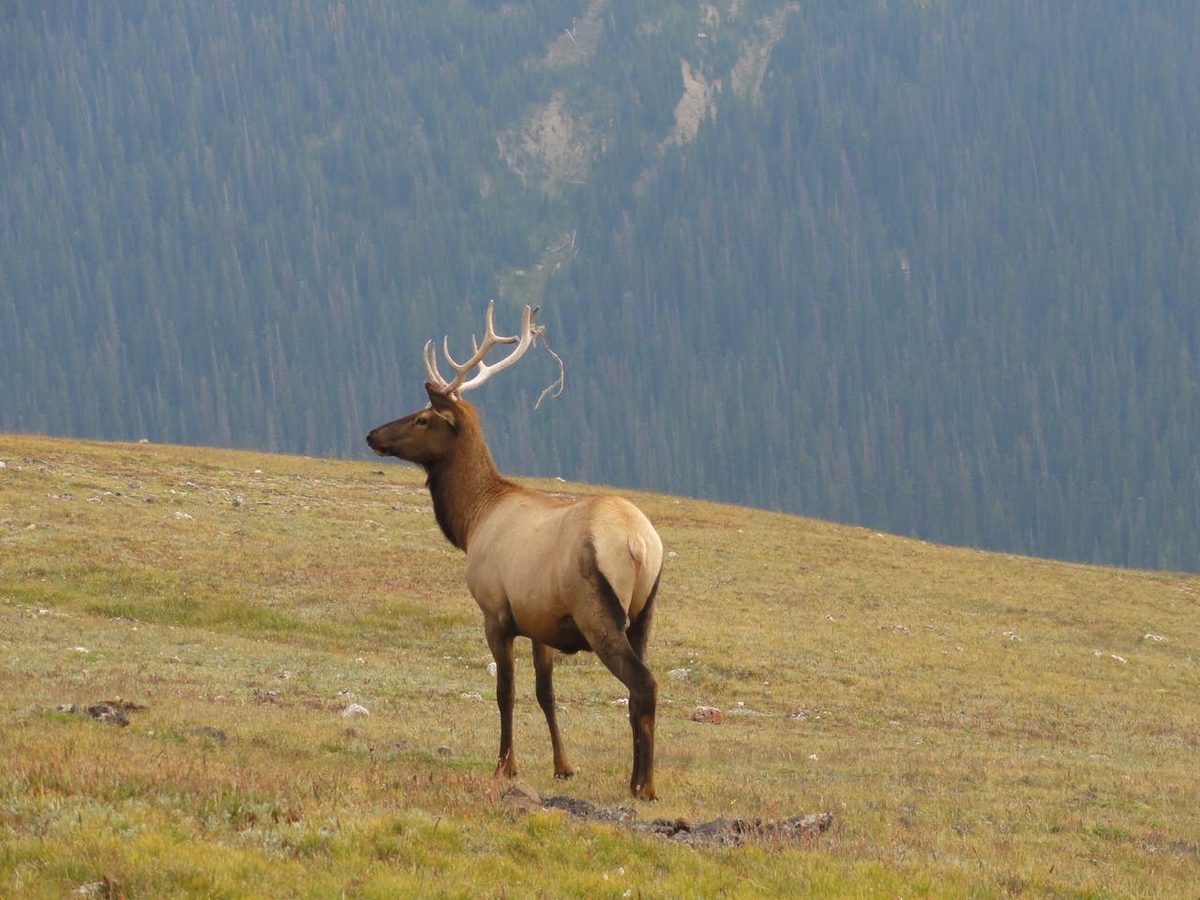
Think of this as the less-crowded version of Cades Cove, on the North Carolina side. The main draw here is elk watching. The elk were reintroduced to the park in 2001 and now there are about 200 of them, mostly hanging out in Cataloochee.
The drive in is… not for the faint of heart. It’s a narrow, winding gravel road for the last several miles. But once you’re there, it’s this gorgeous valley with historic buildings and elk grazing in the fields. Especially in the evening — that’s when they come out.
Way fewer people than Cades Cove. We had moments where we were the only car in sight, which felt almost surreal given how packed other parts of the park can be. If your kids are into wildlife, this is worth the sketchy drive.
Free. Multiple levels based on age. Pick up the booklet at any visitor center and your kids can earn a badge by completing activities as you explore the park. My seven-year-old was obsessed with checking off items in her booklet — it made every stop feel like a mission.
There’s a basic version for younger kids and a more challenging one for ages 8+. The ranger who presented the badges at Sugarlands Visitor Center was genuinely great with the kids, not just going through the motions.
Honestly, this is one of the best free activities in any national park. It kept my kids engaged in a way that “look at this pretty mountain” never could.
You’re not going to avoid them, so let me break down what to expect.
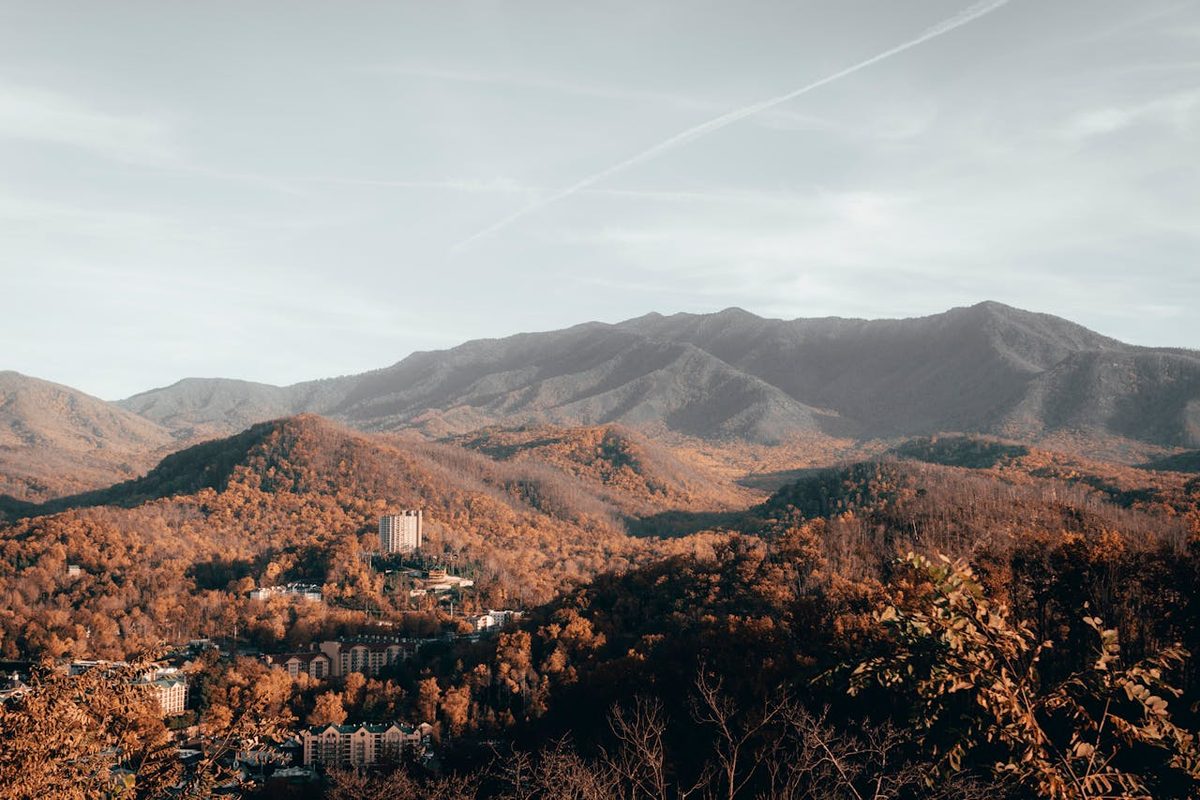
Look, Gatlinburg is cheesy. It’s a mountain town that’s been swallowed whole by tourism — pancake houses, t-shirt shops, mini golf, the works. But you know what? Kids love it. My kids loved it. I’m not going to pretend otherwise.
The Ripley’s Aquarium is genuinely good (not just “good for Gatlinburg” — actually good). The penguin exhibit alone kept us there for 45 minutes. Gatlinburg SkyBridge, the longest pedestrian suspension bridge in North America, is a solid experience if your kids aren’t scared of heights. Ober Gatlinburg has an aerial tramway, ice skating, and a small ski area in winter.
The strip itself gets absolutely packed on weekends and holidays. If you hate crowds, avoid it on Saturday nights. Tuesday afternoon? Totally manageable.
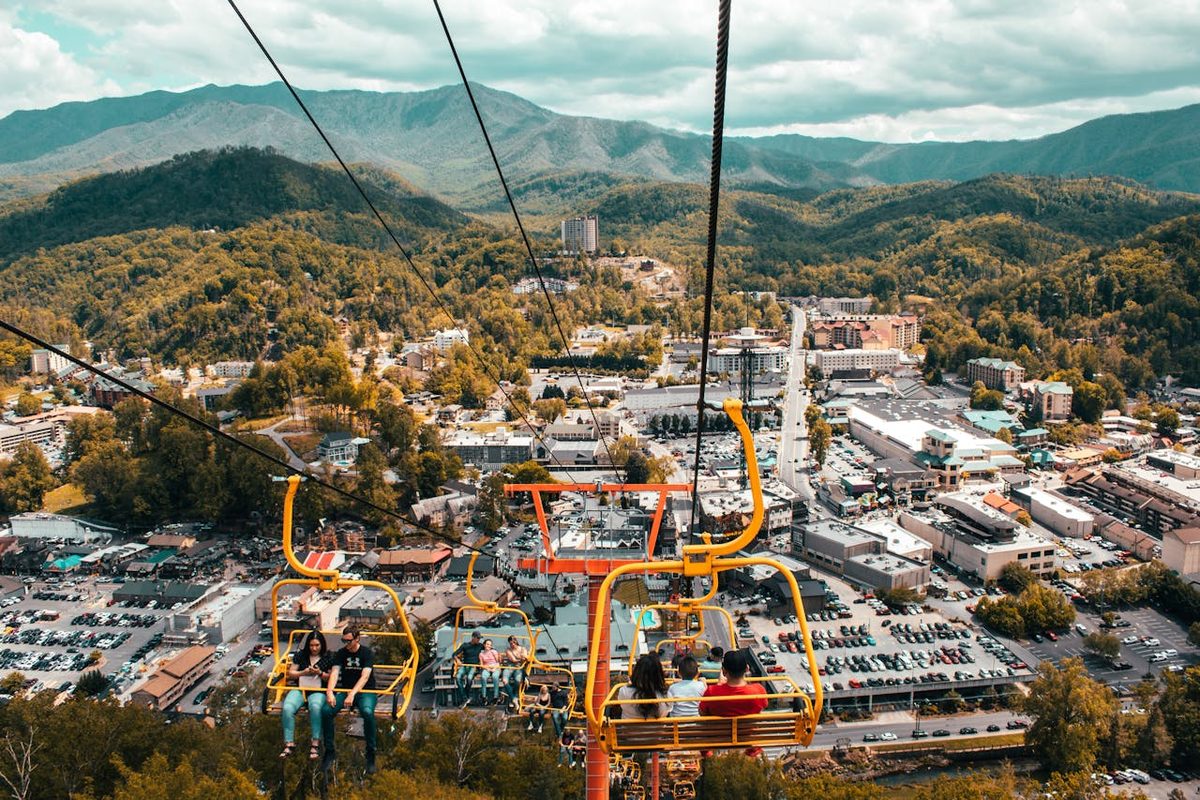
Pigeon Forge is Gatlinburg’s bigger, louder sibling. The main attraction is Dollywood, which is honestly one of the better amusement parks for kids in the country — the theming is great, the rides are solid for all ages, and it doesn’t feel as corporate as Six Flags.
Beyond Dollywood there are go-karts, dinner shows, the Titanic Museum (surprisingly educational), and more mini golf than any town needs. It’s not my scene, but my ten-year-old would move there if I let him.
If Gatlinburg and Pigeon Forge sound like your nightmare, try Townsend. It’s called “the quiet side of the Smokies” and that’s accurate. Way fewer travelers, a nice river for tubing, and easy access to Cades Cove without fighting Gatlinburg traffic. Not much to do in town — which is kind of the point.
I don’t say this to be negative, but some things aren’t worth your limited family vacation time:
Alum Cave Trail with kids under 7. It’s a beautiful hike, but it’s 4.4 miles round trip with 1,200 feet of elevation gain. The trail hugs cliff edges with cable handholds in spots. My ten-year-old handled it fine; I would never attempt it with my four-year-old. If your kids are strong hikers, it’s incredible. Otherwise, save it.
The Gatlinburg strip on a holiday weekend. Unless you genuinely enjoy being shoulder-to-shoulder with thousands of people while being aggressively marketed to, just don’t. Go on a weekday or skip it entirely.
Driving through the park without stopping. I’ve heard people say “we drove through in an hour, it was fine.” That’s like saying you went to Disney World and only rode the monorail. The magic is in the stops, the short walks, the moments your kids spot something. Don’t rush it.
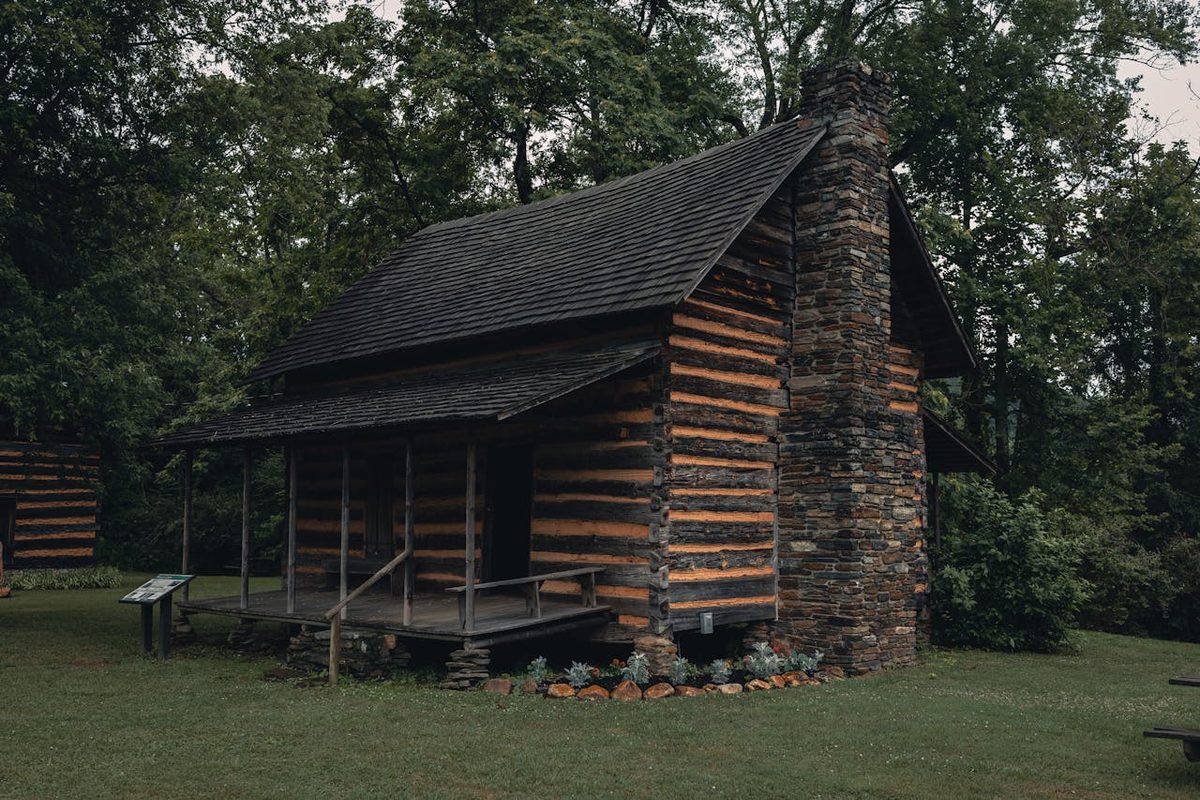
Gatlinburg cabin rentals are the best value for families, hands down. You can get a 2-bedroom cabin with a hot tub, full kitchen, and mountain views for $150-250/night depending on season. That’s less than most hotels, and you can cook your own meals instead of spending $60 on mediocre pancakes every morning.
Book through VRBO or direct through local rental companies (Cabins of the Smoky Mountains, Aunt Bug’s are both decent). Avoid the cheapest options — some of those “budget” cabins are rough.
Pigeon Forge hotels work if you want to be close to Dollywood and don’t care about the mountain vibe. Holiday Inn, Marriott, the usual chains are all there. Expect $120-200/night.
Camping in the park is the cheapest option at $25-30/night. Elkmont Campground is the most popular (and most likely to be full). Cades Cove Campground puts you right on the loop road. Reserve early on recreation.gov — summer sites fill up months in advance.
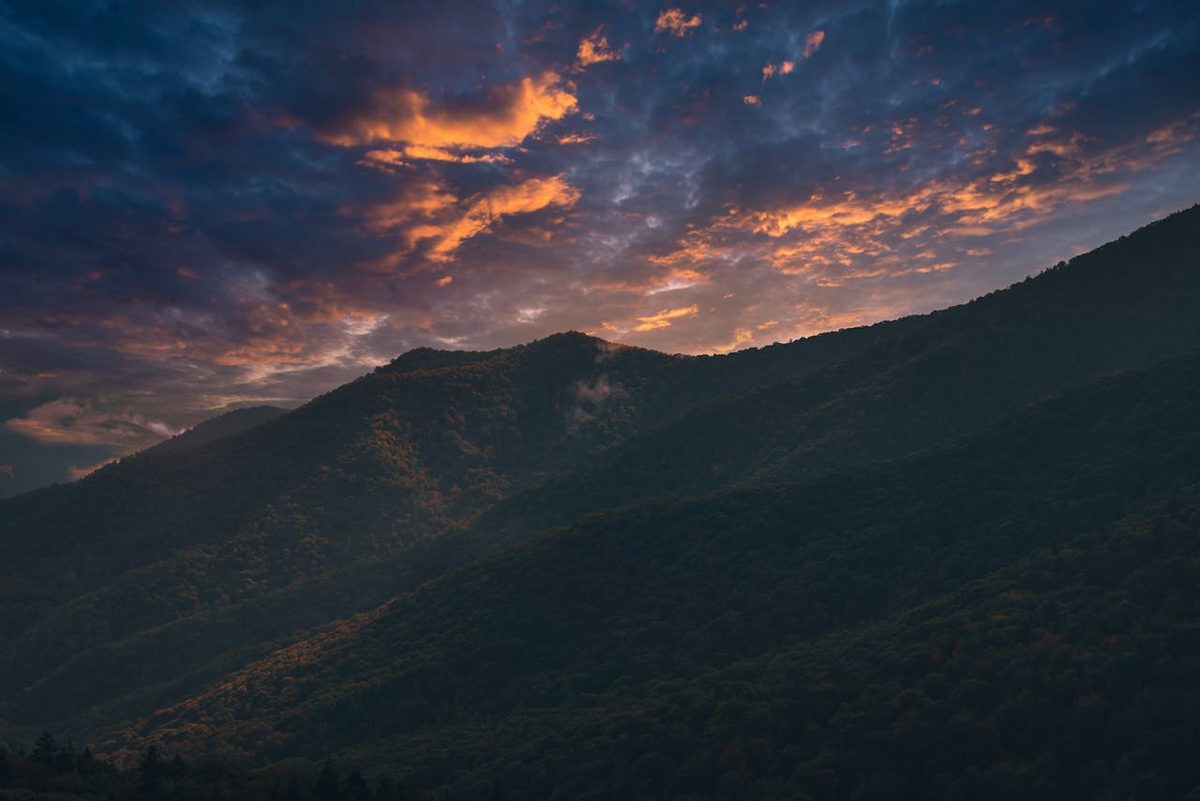
Free. I keep saying it because it still surprises me. The park does require parking tags at some of the more popular trailheads — $5/day or $40 for an annual tag. But many areas have no fee at all. This is one of the best cheap family vacations you’ll find. See our full budget guide for more ways to keep costs down.
3-4 days minimum. You could spend a week and not see everything, but 3-4 days hits the sweet spot for families. Enough time to do Cades Cove, a couple of hikes, a gateway town day, and still feel relaxed about it.
If you only have 2 days, skip the gateway towns and focus entirely on the park. You won’t regret it.
| Season | Why Go | The Catch |
|---|---|---|
| October | Fall colors are unreal — peak is usually mid to late October | Highest crowds of the year. Cades Cove can be a parking lot. |
| June | Synchronous fireflies, warm enough for swimming at Deep Creek | Summer heat, afternoon thunderstorms, heavy weekend traffic |
| April-May | Wildflowers everywhere, moderate temperatures, fewer crowds than summer | Rain is common, some higher-elevation roads still closed in early April |
| December-February | Almost no crowds, snow on the peaks is beautiful | Many roads and facilities closed, shorter days, cold |
If I had to pick one month: late September. The leaves are just starting to turn, summer crowds have thinned out, the weather is gorgeous, and kids are usually back in school so it’s less packed. Pulling the kids out of school for this is worth it.
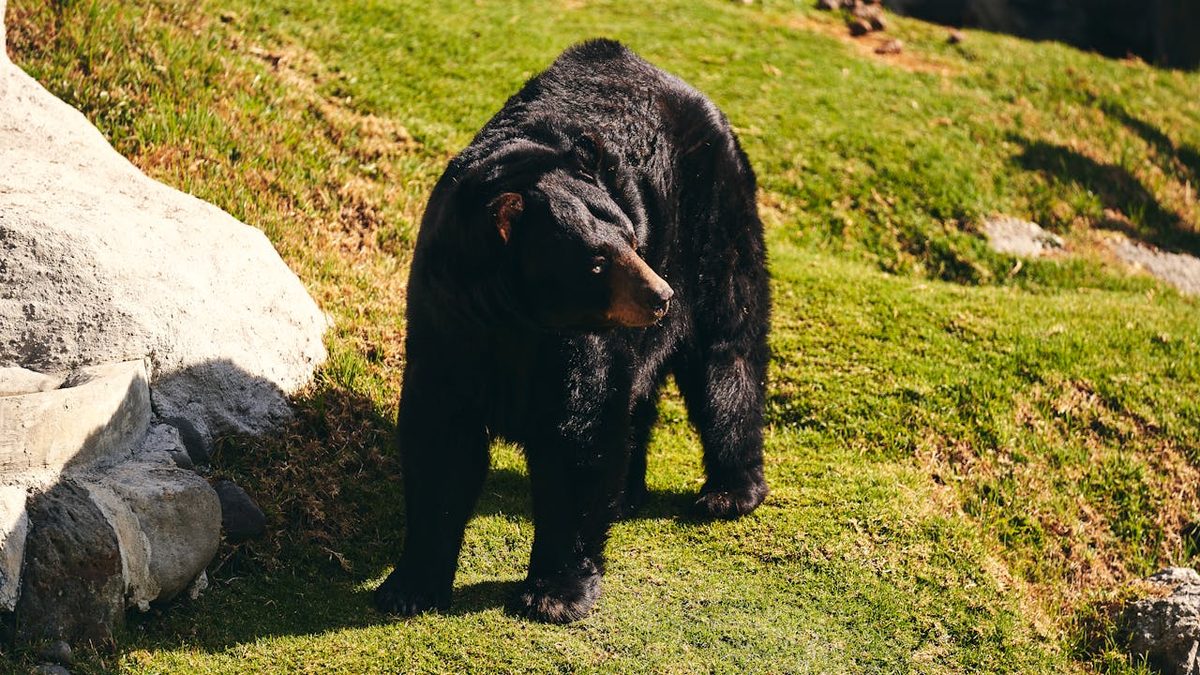
About 1,500 black bears live in the park. You’ll probably see at least one, especially in Cades Cove. The rules are simple: stay at least 50 yards away (about the length of half a football field), never feed them, never approach them. If a bear changes its behavior because of you, you’re too close.
Elk in Cataloochee are similarly beautiful but similarly wild. Same distance rules apply. They look docile but during rutting season (September-October) the males can be aggressive.
Teach your kids before you go. My seven-year-old took the “we watch from far away” rule very seriously after we explained it, and she actually started reminding other travelers who were getting too close. Proud parenting moment right there.
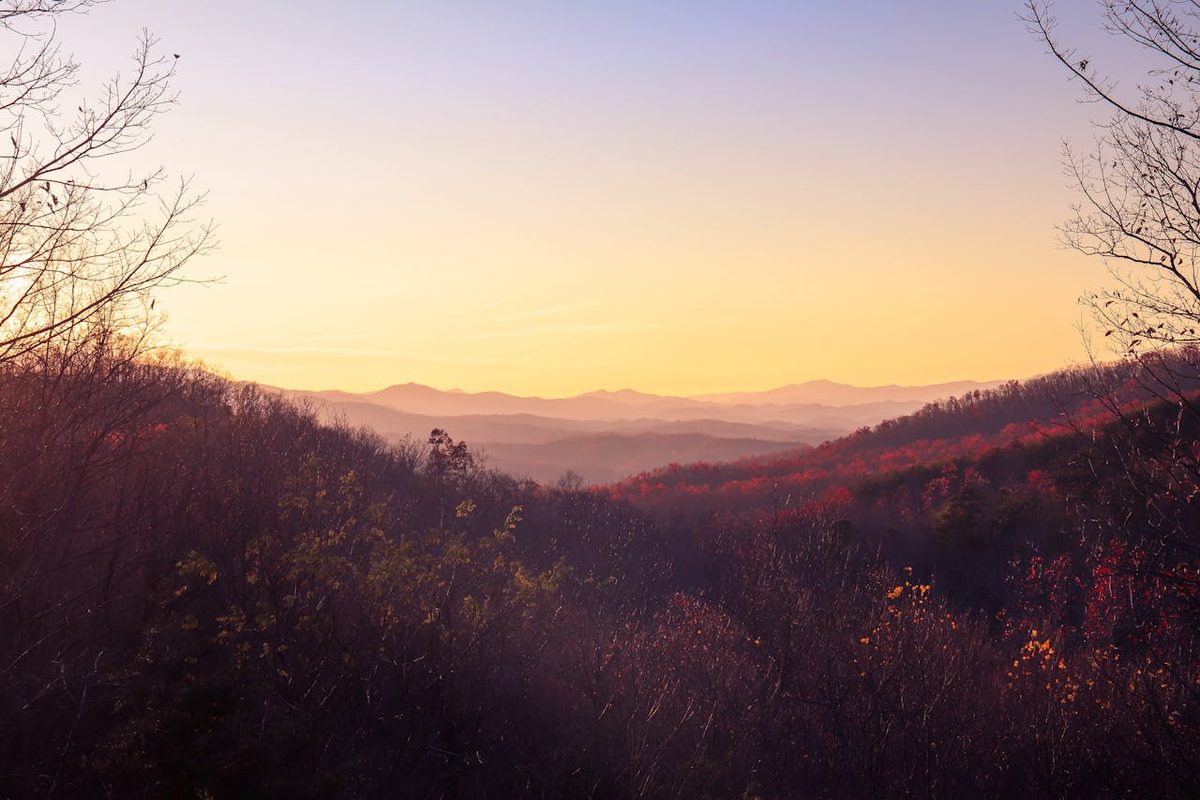
Day 1: Cades Cove + Townsend
Drive the Cades Cove Loop early morning (aim to enter by 8am). Stop at the cabins, watch for wildlife, let the kids run around at the open fields. Grab lunch in Townsend — it’s closer than Gatlinburg and way less hectic. Afternoon: swim or tube at Little River near Townsend if the weather’s warm.
Day 2: Waterfalls + Roaring Fork
Morning hike to Laurel Falls (go early, before 9am). After lunch, drive the Roaring Fork Motor Nature Trail. If your kids still have energy, do the short walk to Grotto Falls. End the day in Gatlinburg for dinner — the kids will want to walk the strip, just let it happen.
Day 3: Clingmans Dome + Deep Creek or Cataloochee
Drive to Clingmans Dome first thing for the best chance at clear views. Then either head to Deep Creek on the North Carolina side for tubing and waterfalls, or drive to Cataloochee for elk watching. Evening: relax at the cabin. You’ve earned it.
If you have a 4th day: Hit whatever you missed, or spend it at Dollywood if the kids have been begging. A full day at Dollywood is genuinely fun and there’s enough for all ages. Or drive a section of the Blue Ridge Parkway — the stretch between Cherokee and Asheville is stunning.
This park doesn’t need a hard sell. Twelve million visitors a year tells you something. But what surprised me was how easy it was with kids — not in the “everything went perfectly” way, but in the “this park is actually set up for families” way. Paved trails, drive-through wildlife viewing, free Junior Ranger programs, and one of the best national parks for families in the entire country.
The fact that it’s free is almost absurd. Pack a lunch, bring the kids, and give it more time than you think you need. We planned three days and wished we’d planned five.
If you’re building a bigger trip, the Smokies fit perfectly into a USA family vacation — combine it with Nashville (3 hours west), Asheville (1 hour east), or even Atlanta (3.5 hours south).
My only real regret? Not going sooner.