
Family travel · FAMILY TRAVEL
Is the Japan Rail Pass Worth It for Families
We spent more time debating the JR Pass than any other decision on our Japan trip. More than hotels. More than which Disney park. The maths kept changing depending on who was explaining it, and the price had gone up since every blog post we read was written.
Here’s what we actually figured out.
In This Article
What It Covers
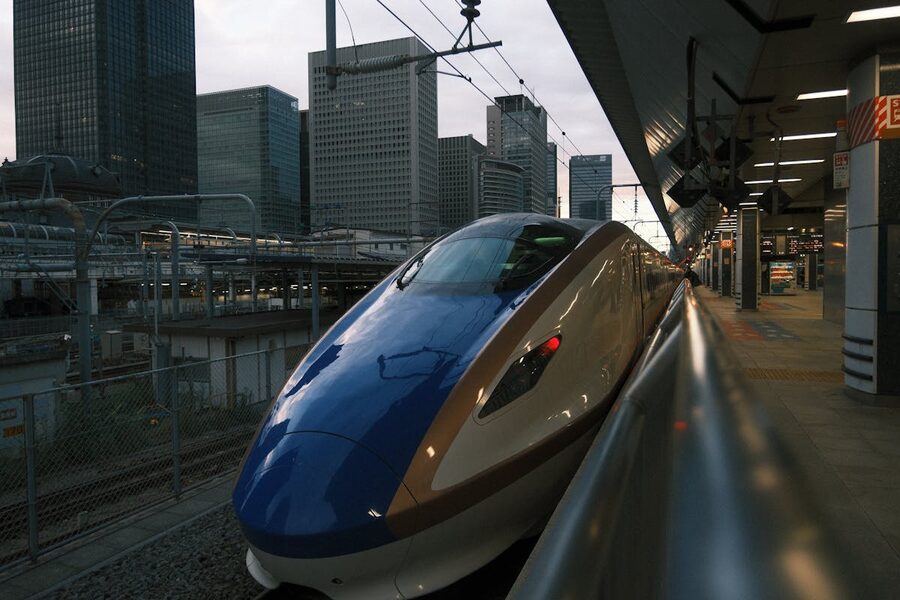
The Japan Rail Pass gives you unlimited travel on almost all JR trains across the country, including most shinkansen (bullet trains). You can jump on and off as many trains as you want during your pass period.
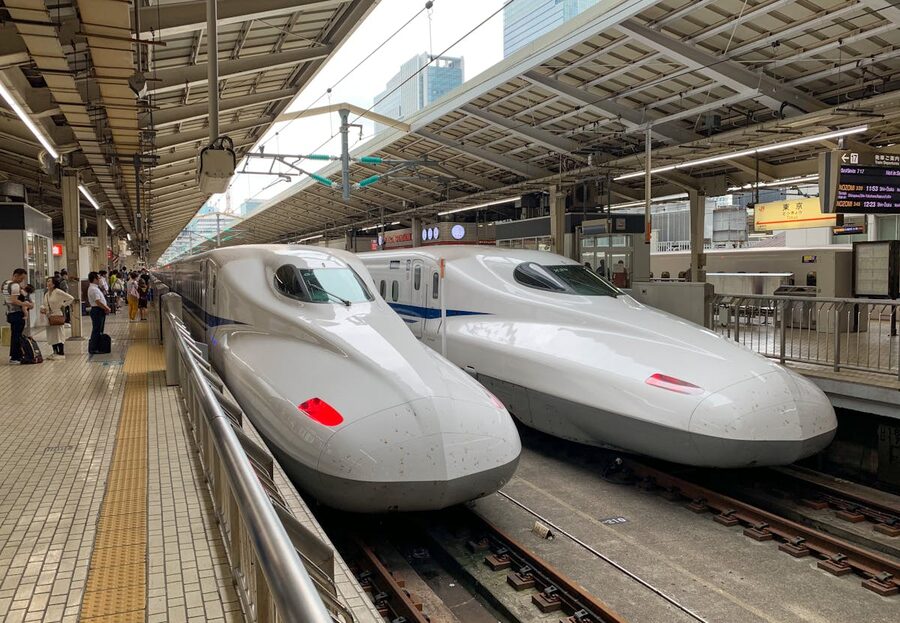
The catch: it doesn’t cover the Nozomi or Mizuho shinkansen — the fastest ones on the Tokyo-Kyoto-Osaka route. You use the Hikari instead, which is the next fastest. The difference is about 15-20 minutes on the Tokyo to Kyoto run. Not a big deal unless you’re obsessed with optimising every minute, in which case Japan is going to be stressful for other reasons.
It also covers the JR ferry to Miyajima Island, some JR buses, and the Tokyo monorail from Haneda Airport. Handy extras you don’t think about until you’re there.
Children’s Pricing
This is where it gets good for families.
Under 6: completely free. No ticket, no pass, nothing. They sit on your lap on reserved seats, or stand, or share your seat if the train isn’t full. On the shinkansen we just held our youngest or let her share the seat next to us. Nobody said a word.
Ages 6-11: half price. They get their own pass and their own seat.
12 and up: adult price. No exceptions, no wiggle room.
For a family with young kids, this means one or two children might travel entirely free across the whole country. That changes the maths significantly.
Current Prices
As of 2026, a 7-day pass costs about ¥50,000 per adult and ¥25,000 per child. A 14-day pass is around ¥80,000 adult, ¥40,000 child. 21-day passes exist but most family trips don’t need them.
These prices went up in late 2023 and might change again. Check the official JR Pass site before buying.
The Maths
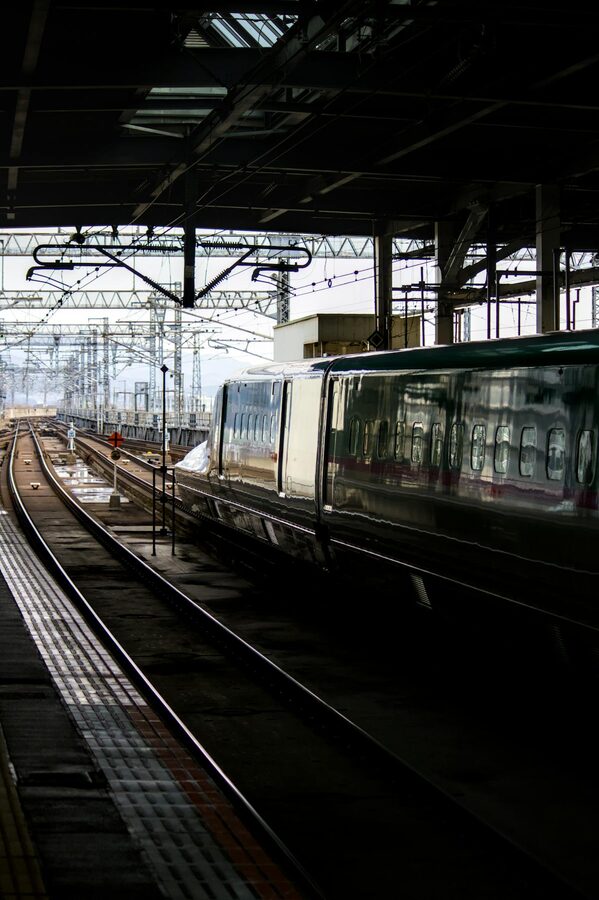
A single Tokyo to Kyoto shinkansen ticket costs about ¥13,500 one way. Round trip is ¥27,000. The 7-day pass costs ¥50,000. So the round trip alone covers more than half the pass cost.
Add one day trip — Hakone, Kamakura, Nikko, Nara, Hiroshima — and the pass pays for itself. Add two day trips and you’re saving money.
For a typical family itinerary of Tokyo, Hakone, Kyoto, maybe Osaka or Hiroshima, the 7-day pass almost always makes financial sense. We worked it out both ways and the pass saved us about ¥15,000 per adult over buying individual tickets.
When It’s NOT Worth It
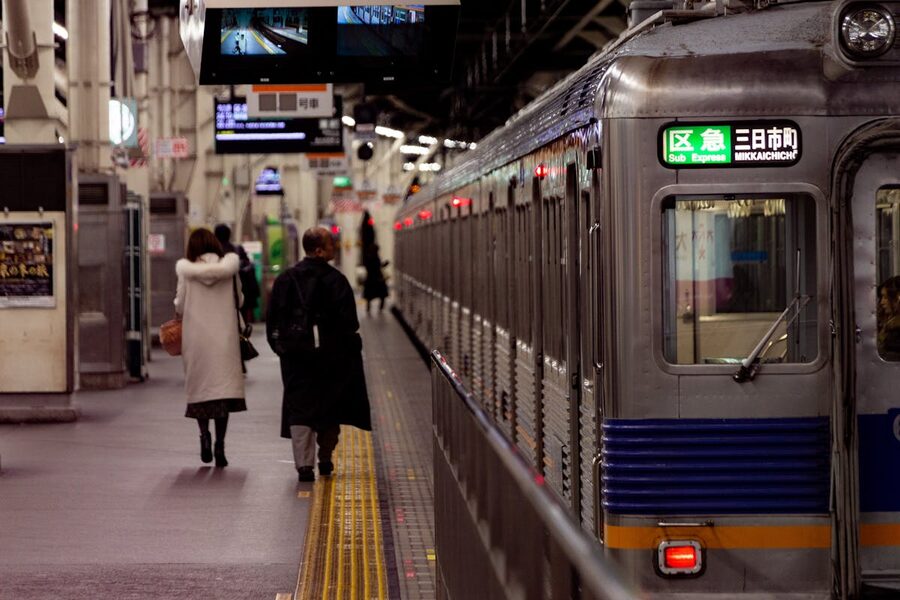
If you’re staying in Tokyo the whole time, don’t buy it. The JR Pass doesn’t cover Tokyo Metro or private railways, which is most of what you use within Tokyo. The Yamanote line is JR and covered, but you’d need to ride it dozens of times to justify the pass cost.
If you’re only doing a Tokyo-Osaka return and nothing else, the individual tickets might be cheaper. Do the maths for your specific itinerary.
If your kids are under 6, remember they’re free anyway — so you’re only calculating adult passes. This sometimes tips the balance.
Regional Passes
JR also sells regional passes that cover specific areas at lower prices. The Kansai Area Pass covers Osaka, Kyoto, Nara, and Kobe. The Hokuriku Arch Pass covers Tokyo to Kanazawa to Osaka. The Hokkaido Rail Pass covers… Hokkaido.
If you’re not doing the big cross-country journey, a regional pass might be better value. We didn’t use one because our itinerary covered too much ground, but for a Kansai-only trip they make sense.
Practical Tips
Reserve seats. With the JR Pass you can reserve seats on shinkansen for free. Do this. The ticket offices at major stations have an English option, or use the JR reservation machines (green machines, look for the English button). Reserved seats mean you sit together as a family, which matters when you’ve got a four-year-old who can’t sit alone.
Ekiben. Station bento boxes sold at kiosks in major stations. ¥800-1,500 each, sometimes beautifully packaged with regional specialties. Buying ekiben and eating on the shinkansen is one of the genuine pleasures of Japanese train travel. Kids treat it as a picnic.
Toilets on the shinkansen. They exist, they’re at the end of each carriage, and they’re clean. Western-style available. This matters more than you think on a two-hour journey with small children.
Strollers. Space at the back of the last row in each carriage. Fold the stroller and stash it there. Or book the last row specifically for the extra legroom and storage space behind the seat.
Activate strategically. The pass clock starts the first day you use it, not the day you buy it. If you’re spending your first few days in Tokyo without needing JR long-distance trains, don’t activate it until the day you leave Tokyo.
How to Buy
Buy online before you travel at the official site or through an authorised agent. You’ll get a voucher to exchange at a JR ticket office in Japan. Exchange is easy — major stations have English-speaking staff and dedicated counters.
You can also buy it in Japan at major JR stations, but the price might be slightly higher.
Pick it up at the airport when you arrive if possible. Narita and Haneda both have JR ticket offices. Saves you doing it later when you’re more tired and the queues are longer.
Is It Worth It
For most family trips that include Tokyo plus at least one other region — yes. The convenience alone is worth something. Not having to buy individual tickets, not having to queue at machines that may or may not have English, just walking onto any JR train whenever you want — that freedom is underrated when you’re travelling with kids who might need to change plans at short notice because someone’s tired or hungry or having a day.
We’d buy it again. The savings were modest but real, and the convenience was significant.