
Family travel · FAMILY TRAVEL
Japan With a Toddler
People told us we were crazy for taking a toddler to Japan. The flights, the jetlag, the food, the crowds — every conversation included at least one person suggesting we wait until he was older. We ignored them and it turned out to be one of the best trips we’ve taken as a family. Not despite the toddler. Partly because of him.
Japan is built for small children in ways that don’t show up in guidebooks. The trains fascinate them. The vending machines delight them. The food — especially rice, noodles, and fried chicken — is exactly what most toddlers eat without complaint. And the culture of consideration means strangers regularly go out of their way to help families. We had an elderly woman on the metro insist on helping us carry the stroller up stairs. A restaurant owner brought out a booster seat we didn’t ask for. A train conductor found us priority seating before we even opened our mouths.
It’s not perfect. But the things that make it hard are manageable, and the things that make it magical are everywhere.
In This Article
Strollers and Carriers
Bring both. Seriously.
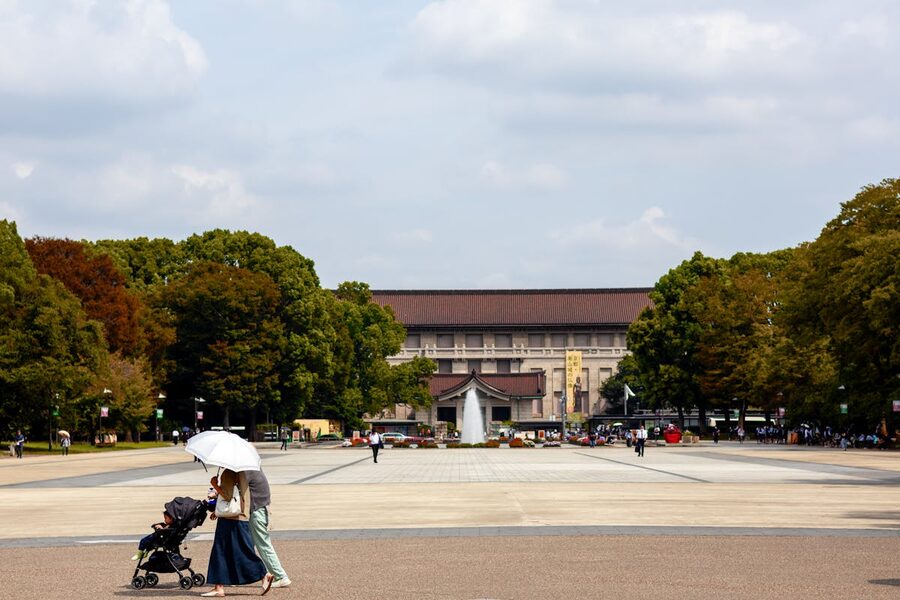
A lightweight umbrella stroller for flat ground, main streets, malls, and parks. Japanese pavements are smooth and wide. Stroller access in most areas is excellent — better than most European cities.
A carrier (Ergobaby, whatever you use) for temples with gravel paths, shrines with stairs, crowded trains during rush hour, and the Fushimi Inari mountain hike. You can’t push a stroller up 3,000 stone steps. You can’t push one through the gravel at Meiji Shrine. And during rush hour, folding a stroller on a packed train is a skill we never mastered.
Trains have priority spaces marked on the platform and in the carriage. Elevators exist at almost every station but they can be hard to find — they’re often at the far end of the platform, through a side corridor, behind a vending machine. Allow extra time.
If you don’t want to bring a stroller from home, you can rent in Japan. The Nara Visitor Centre rents them. Some hotels have loaners. Or just buy a cheap umbrella stroller at a baby goods store — Nishimatsuya or Akachan Honpo have them from ¥3,000.
Naps and Pacing
This is the single most important thing to get right. One activity in the morning. Lunch. Back to the hotel for a nap. One activity in the late afternoon if there’s energy. Dinner. Bed.
That’s it. That’s the schedule. One or two things per day, maximum. Anyone who tells you they did six temples and two museums with a toddler in one day is either lying or had a terrible time.
The hotel midday return is essential. We planned our accommodation specifically to be near a train station so we could get back easily. A toddler who misses their nap ruins the entire afternoon and evening for everyone. Protect the nap. Build the itinerary around it.
Some things work during nap time: the stroller nap. Push them around a quiet neighbourhood or park, they fall asleep, you get 90 minutes of peaceful walking. This became our primary strategy by day four.
What Toddlers Eat in Japan
More than you’d expect. Japanese food is surprisingly toddler-compatible.
Rice is the foundation of everything. It’s in every meal. It’s plain. It’s soft. Toddlers eat it. Problem solved.
Udon — thick white noodles in broth. Mild, soft, easy to chew. Most udon restaurants will give you a smaller portion if you ask, or just order one adult bowl and share.
Karaage — Japanese fried chicken. Crispy outside, juicy inside. Available at every convenience store, every family restaurant, most izakayas. If your toddler eats chicken nuggets at home, they’ll eat karaage in Japan.
Tamagoyaki — sweet rolled omelette. Served cold or warm. Available in every bento box and at most conveyor belt sushi places.
Edamame — soybeans in the pod. Toddlers love squeezing the beans out. Good fine motor practice. Salty enough to be interesting.
Convenience store food — onigiri (rice balls), sandwiches, steamed buns. This is where you’ll eat breakfast most days and it’s genuinely good food. Keep a couple of onigiri in the bag for emergencies.
Bring familiar snacks from home for meltdown moments. Goldfish crackers, fruit pouches, whatever your specific toddler demands when the world is ending. Japan has great snacks but sometimes a kid needs the thing they know.
Diapers and Baby Supplies
Don’t pack two weeks of diapers. Japanese brands — Merries, Moony, Goon — are excellent. Better than most Western brands, honestly. Available at every drugstore (look for the Matsumoto Kiyoshi or Welcia chains), most convenience stores, and 100-yen shops.
Wipes, formula, baby food in pouches — all available. The baby aisle in a Japanese drugstore is comprehensive and the quality is high. Pack enough for the first day and buy the rest there.
Baby Rooms

Japan is exceptional at this. Department stores, major train stations, shopping malls, and airports all have dedicated baby rooms (look for signs saying ベビールーム or “Baby Room”). Inside you’ll find:
Changing tables (clean, padded, with disposable sheets). Hot water dispensers for formula. Private nursing chairs with curtains. Sometimes microwaves. Sometimes baby scales. Sometimes free diapers.
These aren’t an afterthought — they’re well-maintained, well-stocked, and used by Japanese families constantly. We used them daily and they were consistently better than anything we’ve found at home.
Best Activities With a Toddler
Trains. Your toddler will become obsessed with Japanese trains. The shinkansen, the local trains, the monorails — all of it. Standing at the platform edge watching trains arrive and depart is a free activity that can occupy a toddler for 30 minutes. The train viewing deck at Tokyo Station is a known toddler hotspot.
Parks. Ueno Park, Yoyogi Park in Tokyo. Osaka Castle grounds. Nara Park (deer!). Japanese parks are clean, safe, and often have excellent playgrounds. Free entry. Room to run.
Department stores. Sounds weird. But Japanese department stores often have rooftop play areas, toy floors, and kid-friendly restaurants on upper floors. Takashimaya and Isetan in Shinjuku are particularly good. Air-conditioned in summer. Warm in winter. Toilets everywhere.
Aquariums. Osaka’s Kaiyukan. Tokyo’s Sumida Aquarium. Dark rooms with big fish. Toddlers press their faces against the glass and are happy for two hours.
Convenience store visits. Not an official activity but our toddler treated every 7-Eleven visit as an adventure. Choosing an onigiri, getting a drink from the cold case, watching the cashier bag everything perfectly — it was a highlight of his day, every day.
What to Skip With a Toddler
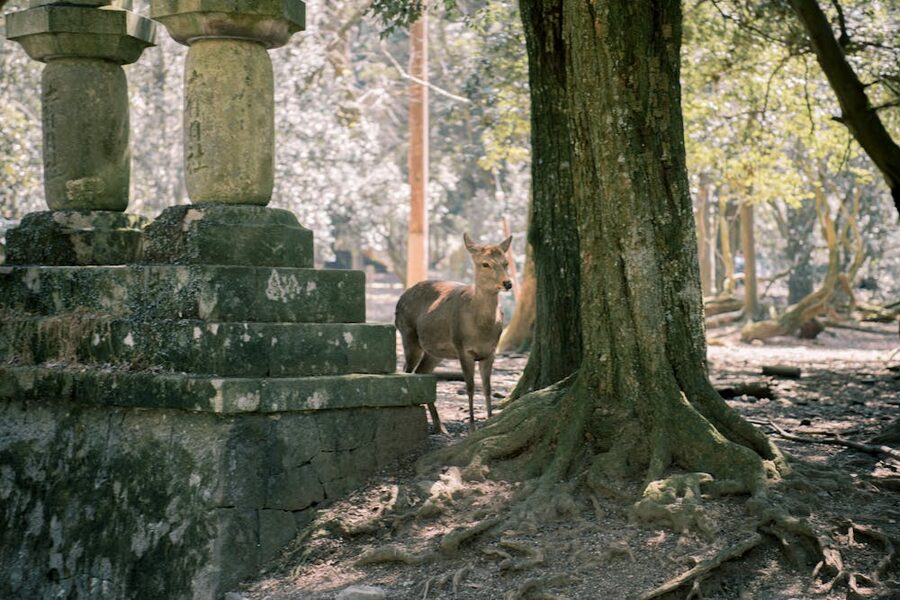
Long temple visits. One temple per day, maximum. Make it a good one — Senso-ji in Asakusa, Fushimi Inari (just the first section), Kinkakuji (quick visit). Skip the rest.
DisneySea. Not enough toddler rides. Disneyland is much better for under-5s.
Crowded shrines at peak times. Meiji Shrine on a Sunday morning is packed. Go early or skip it.
Anything requiring silence or stillness. Tea ceremonies, kaiseki restaurants with strict etiquette, meditation experiences. Save these for when the kids are older.
Rush hour trains. 7:30-9:30am and 5:30-7pm. The trains are physically packed. Not possible with a stroller. Not fun with a toddler. Plan around it.
Accommodation
MIMARU apartment hotels are the answer for families with toddlers. Kitchen (make your own breakfast, heat up convenience store food), washing machine (you will need it), and enough space that a toddler can move around without destroying things.
Ryokans work surprisingly well — futons on the floor mean no falling off beds, and the tatami room becomes a giant play space during the day. Just prepare for the kaiseki dinner situation with backup snacks.
Standard business hotels are too small. A double room in a Japanese business hotel is about the size of a large wardrobe. With a cot and a toddler’s luggage, you can’t move. Book rooms specifically listed for 3-4 guests, or go with MIMARU.
The Pace That Works
Morning activity. Lunch. Nap. Afternoon wander. Dinner. Repeat.
That’s fewer things per day than you’d do without kids. It’s also more enjoyable per thing. A toddler who’s rested and fed will engage with a temple or a park in ways that make it genuinely fun for everyone. A toddler who’s overtired and hungry will make everyone miserable regardless of how amazing the attraction is.
Japan with a toddler is slower. It’s smaller in scope. And it’s wonderful in ways that a trip without kids simply isn’t. The people who told us to wait were wrong. The best time to take a toddler to Japan is before they’re old enough to have opinions about the itinerary.