Physical Address
304 North Cardinal St.
Dorchester Center, MA 02124
Physical Address
304 North Cardinal St.
Dorchester Center, MA 02124

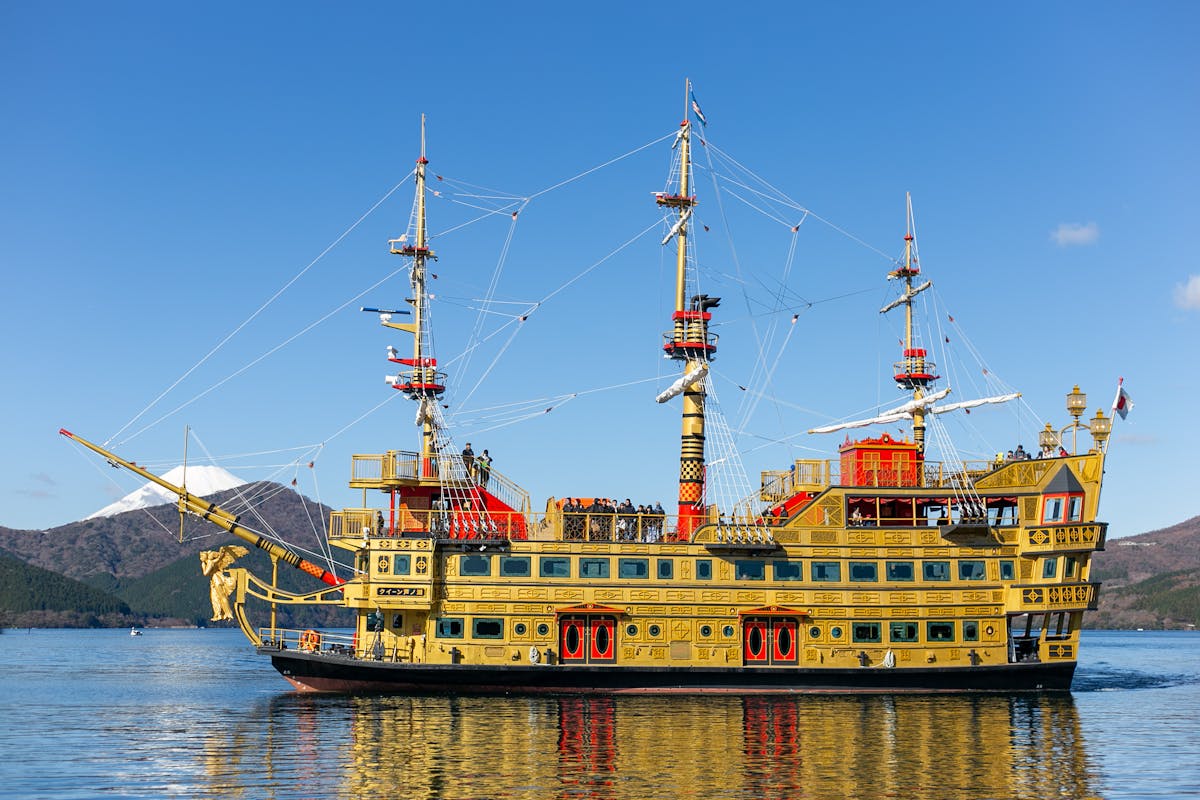
Hakone is the day trip from Tokyo that delivers everything: a pirate ship on a crater lake, volcanic steam vents that smell like rotten eggs (kids love this), cable cars over a valley, and views of Mount Fuji if the weather cooperates. It’s 90 minutes from Shinjuku and packs an absurd amount of variety into a single day.
We almost skipped it in favour of another Tokyo day. That would have been a mistake. Hakone gave our kids their favourite photos, their favourite stories, and the one souvenir — a black volcanic egg — that still sits on the shelf at home.
Odakyu Romance Car from Shinjuku Station to Hakone-Yumoto: about 85 minutes. Comfortable reserved seats, big windows, and a sense of occasion that regular trains don’t provide. The train itself is part of the experience. Book in advance during weekends and holidays — it sells out.
The Hakone Free Pass (¥6,100 adults from Shinjuku, kids half price) covers the Romance Car, all transportation within Hakone (bus, cable car, ropeway, pirate ship), and discounts at various attractions. It’s worth it for a full day of transportation hopping. Valid for 2-3 days.
The JR Pass doesn’t cover the Romance Car or most Hakone transport. If you have a JR Pass, you can take JR to Odawara and transfer to the Hakone Tozan Railway, but the Free Pass is simpler.
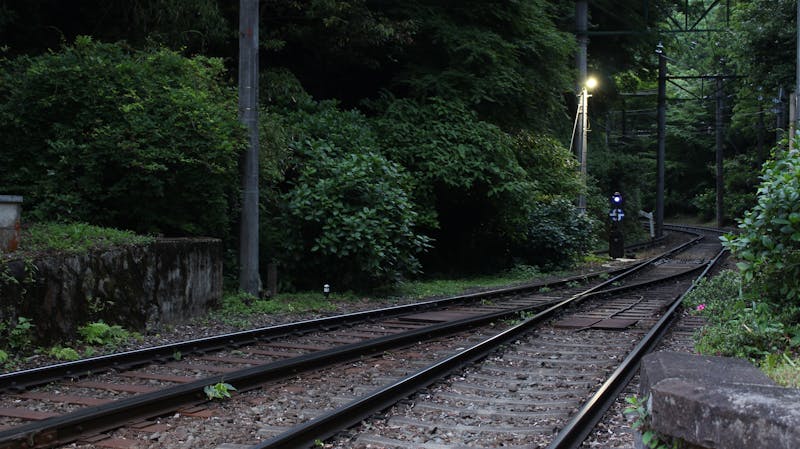
The classic route strings together different transport modes in a loop: train → switchback railway → cable car → ropeway → pirate ship → bus back. Each segment is a different experience and the transitions keep kids engaged far better than sitting in one vehicle all day.
Hakone Tozan Railway: A mountain railway that switchbacks up steep grades. The train literally reverses direction at certain points. Kids who like trains will be glued to the windows.
Hakone Tozan Cable Car: From Gora up to Sounzan. Short ride, steep incline, valley views.
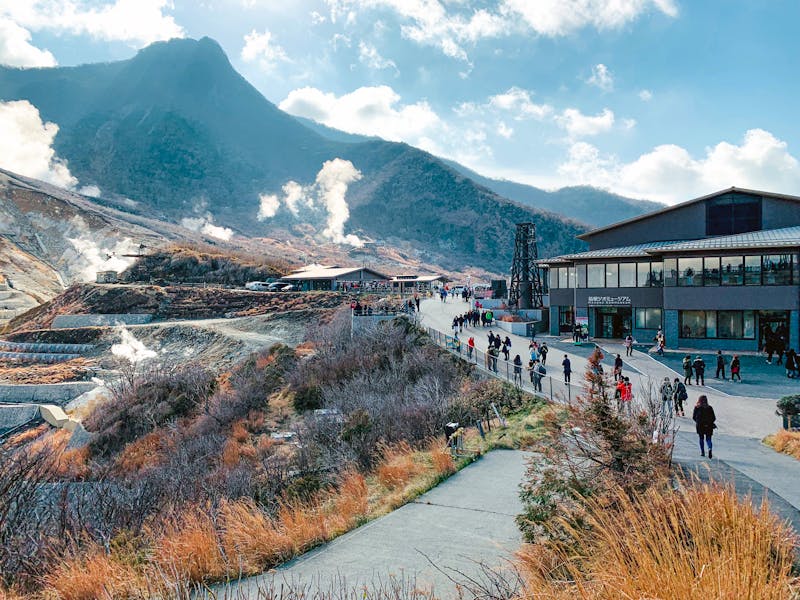
Owakudani Ropeway: This is the dramatic bit. A cable car suspended over an active volcanic valley with steam vents, sulphur deposits, and a distinct smell. The views on a clear day include Mount Fuji. On a cloudy day, you’re floating through mist above volcanic terrain — equally atmospheric, just different.
At the Owakudani station, buy the famous black eggs (kuro-tamago): regular eggs boiled in the hot spring sulphur water, which turns the shell black. They taste like normal boiled eggs. But they’re BLACK. Each one supposedly adds seven years to your life. ¥500 for a bag of five. Kids will eat them and immediately start calculating their new life expectancy.
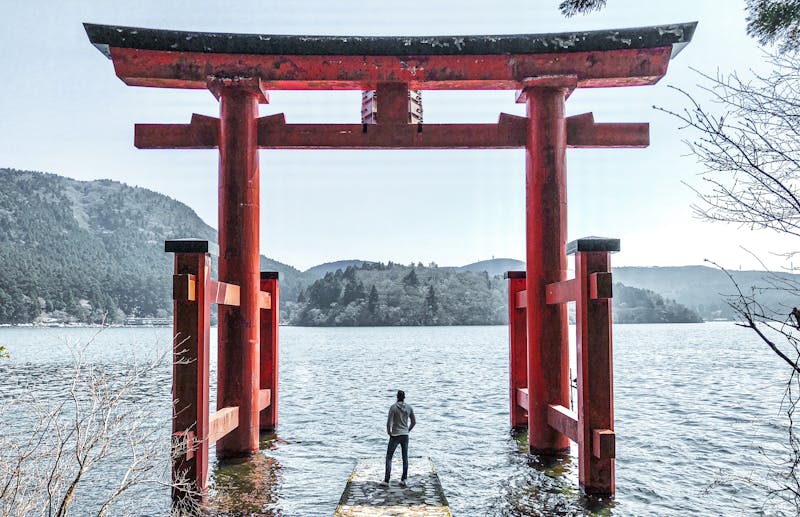
Lake Ashi Pirate Ship: A full-sized replica pirate ship crosses the crater lake. It’s as ridiculous as it sounds and kids absolutely love it. The ride takes about 30 minutes and the views of the surrounding mountains — and Fuji on clear days — are beautiful. Covered by the Free Pass.
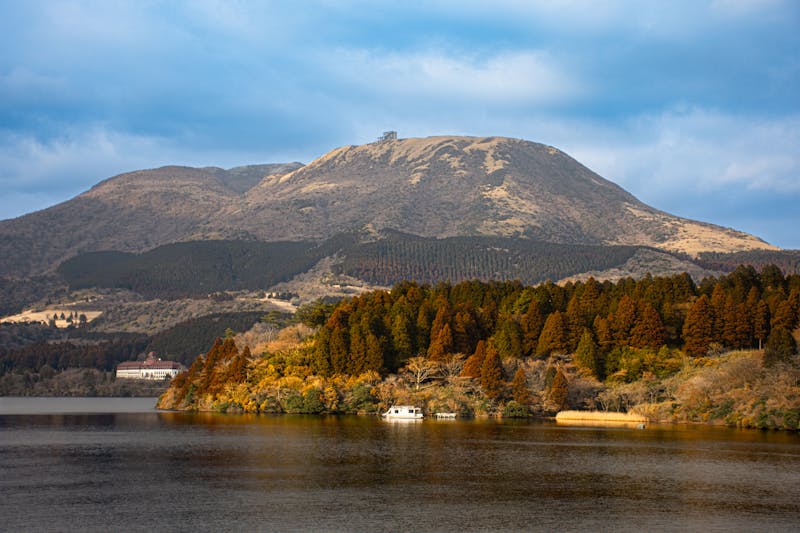
Hakone is one of the closest points to Mount Fuji, and the views from the ropeway and Lake Ashi are iconic. But Fuji is famously shy — cloud cover hides it more often than not, especially in summer. Morning gives you the best chance. Winter days are clearest.
If the kids (or you) are disappointed by a no-show, manage expectations with this: Japanese people have a saying that Fuji reveals itself to those who are patient. Which is nice but doesn’t help when your seven-year-old is asking every two minutes if that cloud is actually Fuji.
A sculpture park spread across a hillside with mountain views. The collection includes Picasso, Moore, and modern Japanese artists, but the reason families love it is the interactive installations. There’s a massive crocheted hammock-net structure that kids climb through, a foot bath fed by natural hot springs where everyone can rest, and outdoor sculptures sized for climbing (where permitted).
Entry: ¥1,600 adults, ¥800 children 6-15. Allow 90 minutes to 2 hours. It’s the rare museum where kids want to stay longer than parents.
Hakone is an onsen town. Hot spring baths are everywhere — in hotels, as public day-use facilities, even as foot baths along the road. After a full day of transportation hopping, sinking into volcanic hot spring water is restorative in a way that words don’t quite capture.
For families: look for facilities with rotenburo (outdoor baths) and family baths (kashikiri) that you can book privately. Hakone Yuryo near Hakone-Yumoto station offers private outdoor baths for around ¥4,000-5,000 per group for one hour.
If you’re staying overnight, ryokans in Hakone include onsen as standard. Our ryokan guide covers what to expect.
Day trip from Tokyo is doable and the Hakone Loop fills a satisfying day. Leave Shinjuku by 8am, arrive home by 7pm, exhausted and happy.
Overnight is better if budget allows. The pace drops, you can soak in an onsen without rushing, and a night at a ryokan in Hakone is one of the best overnight experiences in the Tokyo area. The combination of volcanic landscape, traditional accommodation, and hot spring bathing is peak Japan.