Physical Address
304 North Cardinal St.
Dorchester Center, MA 02124
Physical Address
304 North Cardinal St.
Dorchester Center, MA 02124

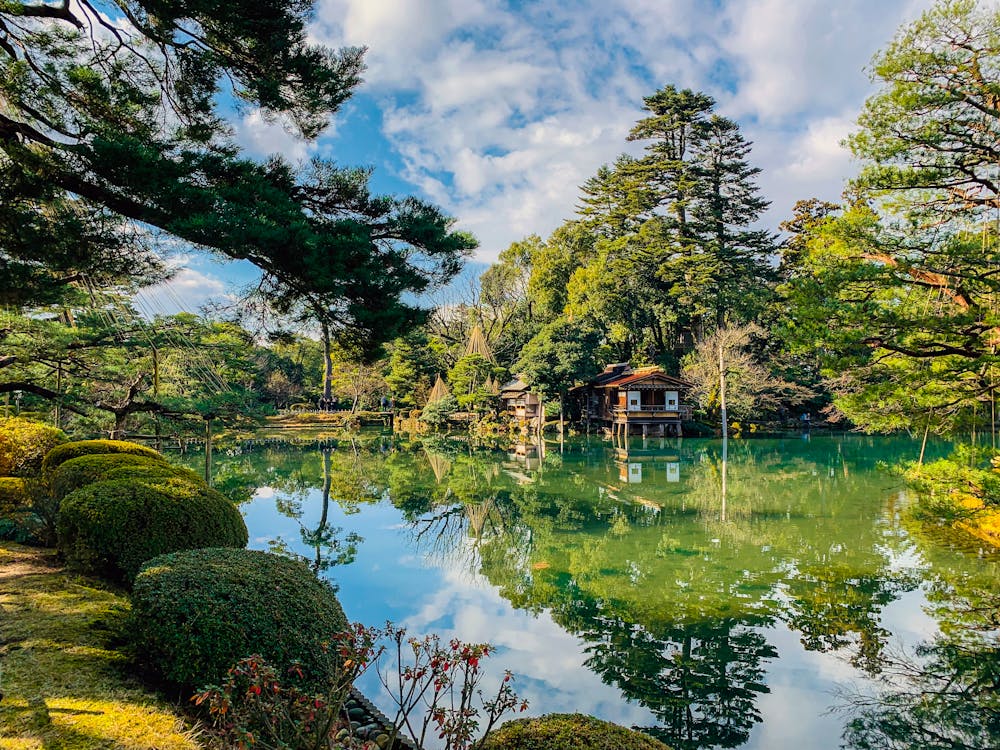
Kanazawa is the city nobody plans to visit and everybody wishes they’d spent more time in. We added it as a two-night stop between Tokyo and Kyoto on our second Japan trip, mostly because the train route made it convenient. By the time we left, our kids were asking when we could come back.
It’s a castle town that survived World War II intact, which means the old geisha and samurai districts look the way they did two hundred years ago. The crafts are world-class. The seafood market rivals Tsukiji. And the crowds? What crowds. After Tokyo and Kyoto, Kanazawa felt like someone had turned the volume down to a level where we could actually hear each other think.
Hokuriku Shinkansen from Tokyo: about 2.5 hours direct. Covered by the JR Pass. From Kyoto: about 2 hours 15 minutes by limited express train (Thunderbird), also covered by JR Pass.
Kanazawa works perfectly as a stop between Tokyo and Kyoto/Osaka rather than a standalone destination. The routing adds minimal extra time and gives you one of Japan’s best smaller cities without a dedicated detour.
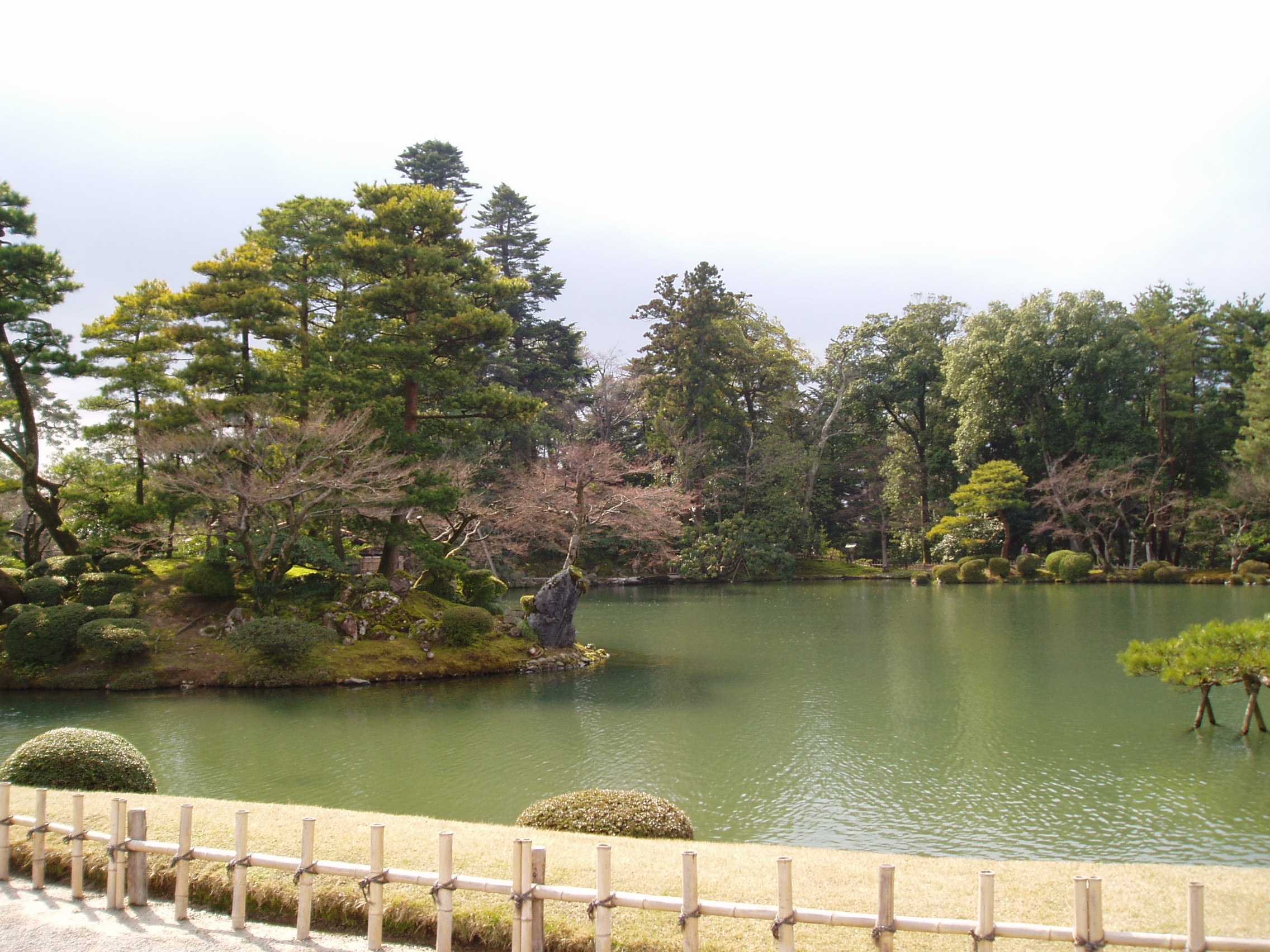
One of Japan’s three great gardens, and the main reason most people come to Kanazawa. Sprawling, manicured, different in every season. Cherry blossoms in spring. Green canopy in summer. Red maples in autumn. Snow-weighted branches held up by rope supports in winter — the yukitsuri are photogenic and distinctly Kanazawan.
Entry: ¥320 adults, free for children under 18. That pricing alone makes it one of the best deals in Japan.
Kids enjoy it more than you’d expect. The garden has streams, bridges, a waterfall, and enough space that running isn’t frowned upon (within reason). Our six-year-old spent twenty minutes throwing coins in a fountain and was genuinely content. The garden works best when you’re not rushing — give it an hour and let the kids set the pace.
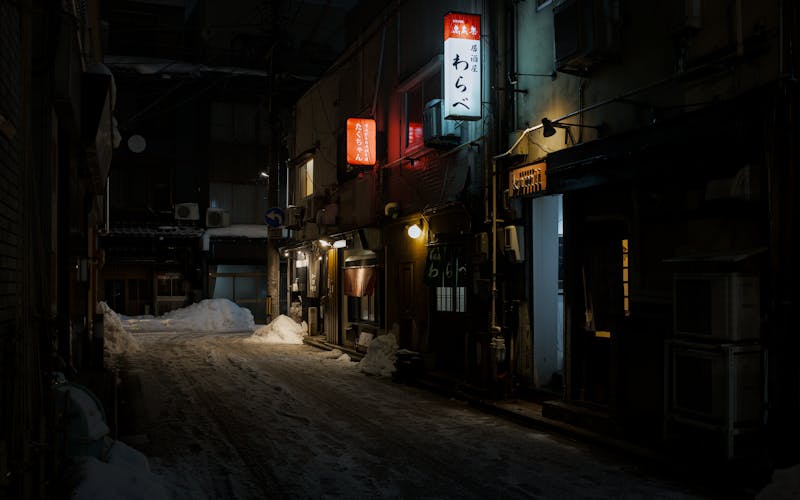
Kanazawa’s best-preserved geisha district. Narrow streets lined with wooden tea houses, some dating back to the early 1800s. A few are open for tours. Some serve matcha and gold-leaf sweets.
Gold leaf is Kanazawa’s signature craft — the city produces 99% of Japan’s gold leaf. The gold-leaf ice cream (¥500-800) is the iconic Kanazawa souvenir photo. An entire sheet of gold leaf draped over a soft serve cone. Does the gold taste like anything? No. Do the kids care? Also no. It’s gold. On ice cream. That’s enough.
Several workshops offer gold-leaf application experiences where kids can decorate small items — boxes, chopsticks, plates — with gold leaf. Sessions run ¥500-1,500 and take about 30 minutes. Good for ages 5 and up.
Kanazawa’s kitchen, and possibly the best food market we visited in Japan. Fresh crab, oysters, sashimi, and seafood bowls at prices that make Tokyo look expensive. A kaisendon (seafood rice bowl) piled with fresh fish runs ¥1,500-2,500 and is genuinely spectacular.
For kids: the market has cooked food stalls alongside the raw fish. Grilled scallops on a stick. Crab croquettes. Tamagoyaki. Fresh fruit. Walk through, point at things, buy what looks good. The market is covered so rain doesn’t matter.
Morning is best — arrive by 10am for peak selection. Sundays can be quieter as some stalls close.
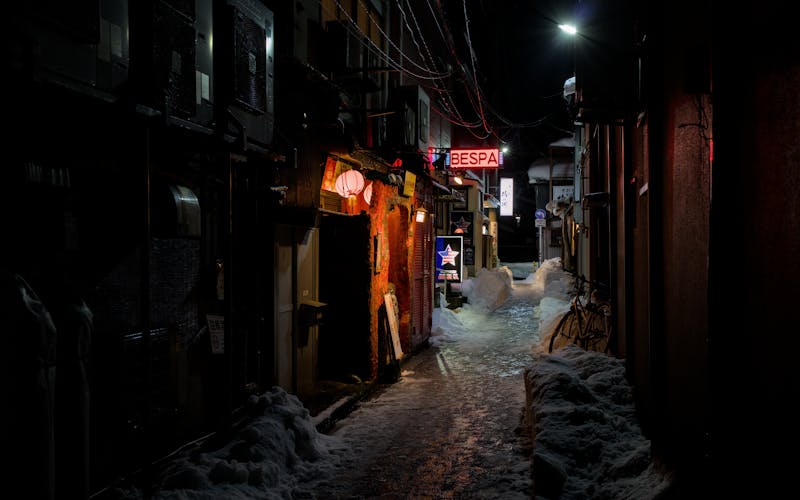
The Nagamachi Samurai District preserves the earthen-walled lanes where samurai families lived. The Nomura Samurai House is open to visitors (¥550 adults, ¥250 children) and has a beautiful small garden and period rooms. Kids find the armour displays interesting and the garden pond has enormous koi fish.
For kids who’ve been watching too much anime, the concept of “this is where actual samurai lived” lands harder than any museum exhibit.
A modern art museum that somehow became one of the most kid-friendly places in Kanazawa. The building itself is circular and glass-walled, making it feel open and accessible rather than intimidating.
The permanent installation everyone comes for: Leandro Erlich’s Swimming Pool. A glass roof with a thin layer of water on top creates the illusion that you’re standing at the bottom of a swimming pool, looking up at people who appear to be underwater. Kids absolutely lose it. The photo opportunities are endless.
Admission to the free zones is free. Specific exhibitions charge ¥450 adults, ¥310 for 6-18 year olds. The pool installation is in the ticketed area.
An hour by bus from Kanazawa, this UNESCO World Heritage village features massive thatched-roof farmhouses (gassho-zukuri) that look like something from a fairy tale. In winter with snow piled on the roofs, it’s magical. In any season, it’s unlike anywhere else in Japan.
Kids enjoy exploring the village and some farmhouses are open as museums. It’s best as a half-day trip — the village is small and 2-3 hours is enough.
Bus from Kanazawa runs several times daily (¥2,600 one-way, book in advance as it fills up).
Kanazawa is the kind of place that makes you realise Japan has far more to offer than the standard Tokyo-Kyoto loop. Our kids still mention the gold leaf ice cream. We still think about the seafood. For our full routing, see our Japan family itinerary.