Physical Address
304 North Cardinal St.
Dorchester Center, MA 02124
Physical Address
304 North Cardinal St.
Dorchester Center, MA 02124

Most families visiting Japan stick to the Tokyo–Kyoto corridor. Bullet trains, temples, ramen alleys, repeat. Nothing wrong with that route—we’ve done it twice and loved every minute. But Hokkaido? Hokkaido is a different country wearing Japan’s clothes.
Japan’s northernmost island trades neon and crowds for rolling farmland, dairy cows, volcanic peaks, and the kind of elbow room that makes you forget you’re in one of the most densely populated nations on earth. Sapporo feels like a mid-sized European city. The countryside feels like Montana with better food. And in summer, while mainland Japan melts at 35°C, Hokkaido sits at a comfortable 20-25°C with low humidity. Our kids actually wanted to play outside. Revolutionary.
We gave it a full week on our last trip and came home convinced: if you’re building a Japan itinerary with kids, Hokkaido deserves a serious chunk of your time. Four days minimum. Seven if you can swing it.
Fly. That’s the answer. Tokyo to Sapporo (New Chitose Airport) takes about 90 minutes and runs frequently on ANA, JAL, and budget carriers like Peach and Skymark. Domestic fares bounce around, but ¥8,000–20,000 ($53–133) one way is typical depending on season and how far ahead you book.
The Hokkaido Shinkansen technically exists, running from Tokyo to Hakodate in about four hours. But it doesn’t reach Sapporo yet—that extension won’t finish until 2031 at the earliest. So you’d still need another train or flight from Hakodate to get anywhere useful. Flying is faster, often cheaper, and significantly less painful with small children.
If you’re flying to Japan with kids on ANA or JAL internationally, ask about their discounted domestic add-on fares. Sometimes you can tack on a Sapporo flight for surprisingly little.
Sapporo has a decent subway system, and you can reach Otaru by train easily enough. But the second you want to explore Furano, Biei, or anywhere rural—and you should—public transit gets thin fast. Buses run infrequently. Connections require planning that doesn’t mix well with toddler meltdowns or teenagers who won’t get out of bed.
We rented a car from New Chitose Airport for five of our seven days. About ¥6,000–8,000 ($40–53) per day for a compact. Roads are well-maintained, signage includes English, and driving is genuinely pleasant. Hokkaido has actual highways with space between cars. Coming from Tokyo traffic, it felt therapeutic.
Japan drives on the left. If that makes you nervous, Hokkaido is actually the best place to learn because the roads are wider and less congested than anywhere on the mainland. Reserve car seats for kids when you book. They run out in summer.
Winter driving is a different conversation. Snow tires come standard on winter rentals, but if you’re not comfortable driving in snow, stick to Sapporo and use trains for day trips to Otaru. Niseko and the ski resorts run shuttle buses from the city.
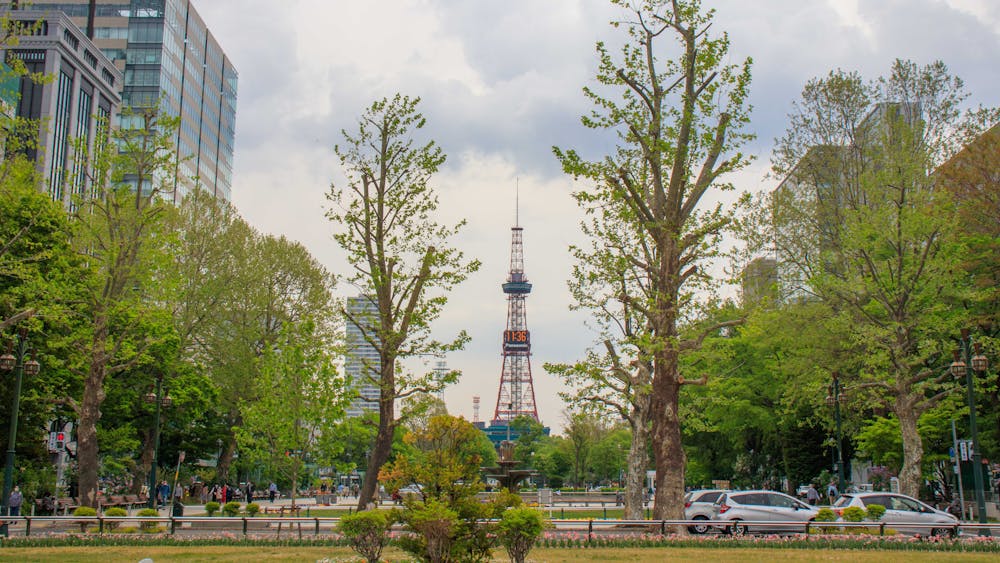
Hokkaido’s capital is where most families start and end. A million-plus people, big enough to have everything you need, small enough that nothing feels overwhelming. Grid layout. Clean. Easy to navigate. Our kids could actually read the street signs because Sapporo uses a numbered grid system rather than the labyrinthine addressing of other Japanese cities.
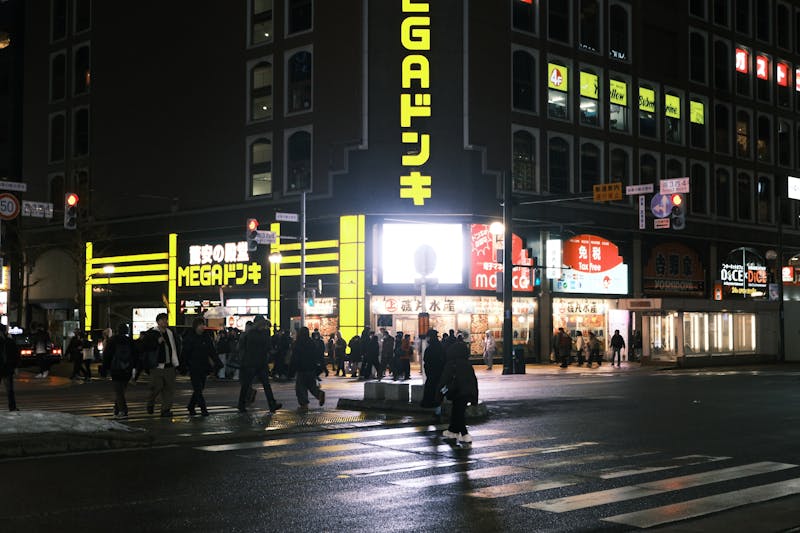
The food. That’s the real reason to spend time here. Sapporo-style miso ramen is richer and heavier than what you’ll find on the mainland—thick, buttery broth with corn and butter on top. A bowl runs ¥800–1,000 ($5–7) at most shops. Ramen Alley in Susukino packs a dozen tiny joints into one narrow lane. Our strategy: let each kid pick a different shop, compare notes after. Surprisingly effective at preventing the “I wanted to go to THAT one” argument.
Soup curry is Sapporo’s other signature dish and might be even more kid-friendly than ramen. Think Japanese curry broth loaded with roasted vegetables and a chicken leg, served with rice on the side. Most places offer mild versions for children. Expect ¥1,200–1,500 ($8–10) per bowl.
Odori Park runs through the center of the city like a green spine. A solid place to let kids burn off energy between meals. In summer, there are fountains and food stalls. In February, the Sapporo Snow Festival fills it with massive ice sculptures lit up at night.
Skip Sapporo Clock Tower. We’re saying it. Every guidebook lists it, and every visitor photographs it from outside, says “huh, that’s small,” and moves on. It’s a modest wooden building surrounded by office towers. Five minutes is generous. The park across the street is more interesting to children.
Thirty minutes from Sapporo by train. That’s it. And Otaru punches so far above its weight that we nearly changed our plans to stay a second day.
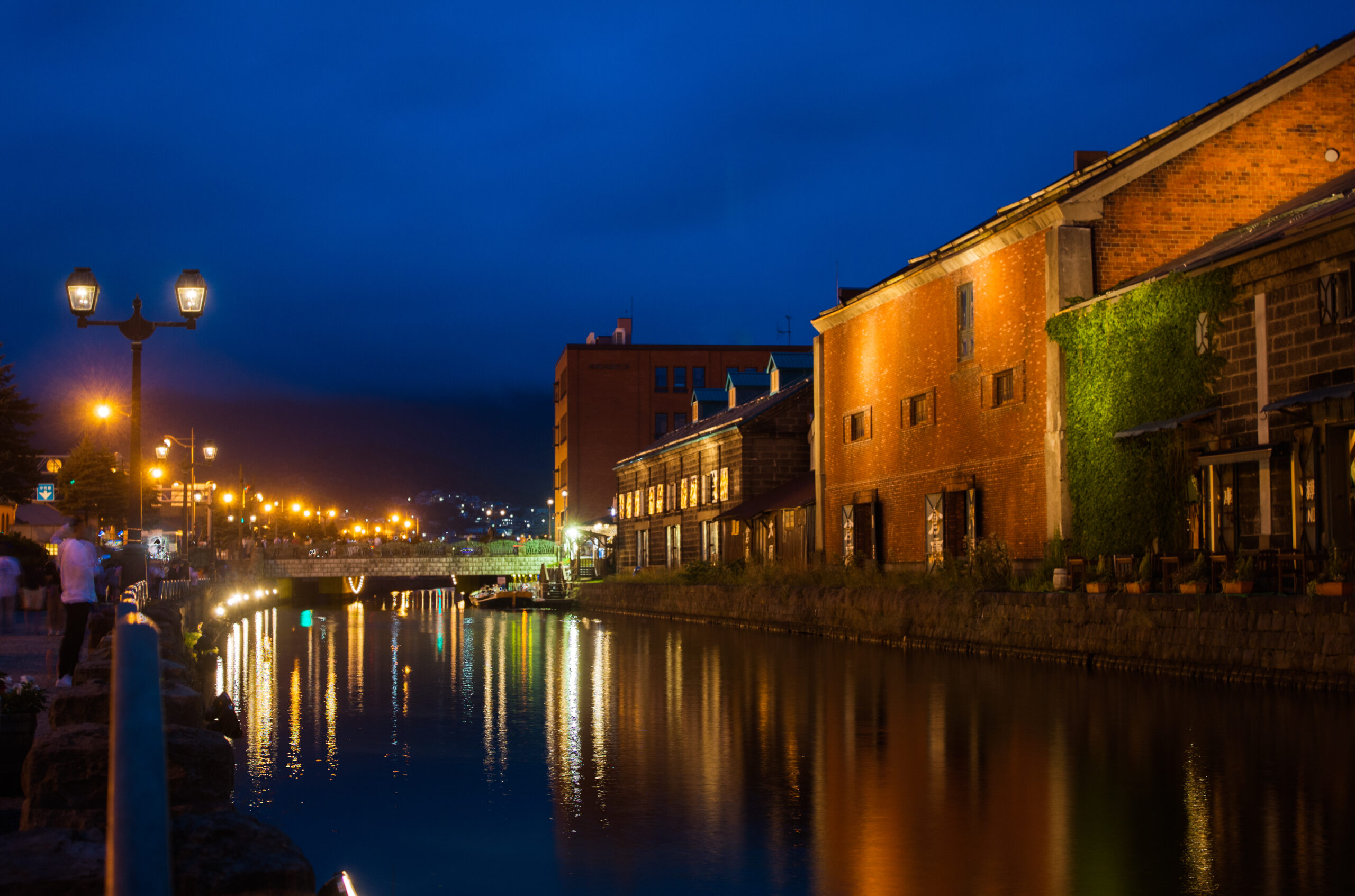
The canal district is the postcard shot—old stone warehouses lining a photogenic waterway, gas lamps flickering at dusk. Pretty. But the real draws for families are the hands-on stuff. Otaru has a thriving glassblowing tradition, and several workshops let kids try making their own glass items. Our nine-year-old made a wobbly blue cup and carried it home like the Holy Grail. Studios charge around ¥1,500–2,500 ($10–17) per session depending on what you’re making.
The music box museum is free to enter and more captivating than it sounds. Three floors of mechanical music boxes, from tiny antique ones to elaborate automaton displays. There’s a workshop where kids can assemble their own music box for about ¥1,500. Even our teenager grudgingly admitted it was cool.
Seafood in Otaru is outrageously fresh. The triangular market near the station sells sushi, crab, and sea urchin (uni) straight from the fishing boats. We got a family-sized platter of assorted sushi for ¥3,500 that would’ve cost triple in Tokyo. The kids stuck to salmon and shrimp. We handled the uni. Everyone was happy.
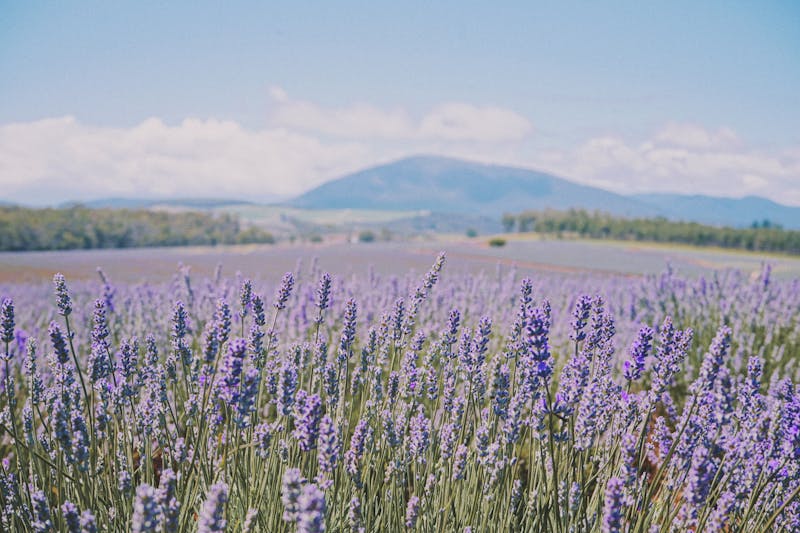
This is where Hokkaido starts looking like a screensaver. Rolling hills. Patchwork fields. Lavender stretching to the horizon. It’s about two hours from Sapporo by car, and the drive itself is half the experience.
Farm Tomita in Furano is the lavender mothership. Free entry. Acres of lavender fields (peak bloom: mid-July) backed by mountain views. Even outside lavender season, they grow other flowers in rotation—poppies, marigolds, salvias—so the fields stay colorful from June through September. There’s a lavender soft-serve ice cream stand that our kids deemed “the best ice cream in Japan.” High praise from children who’d been eating soft serve daily for two weeks.
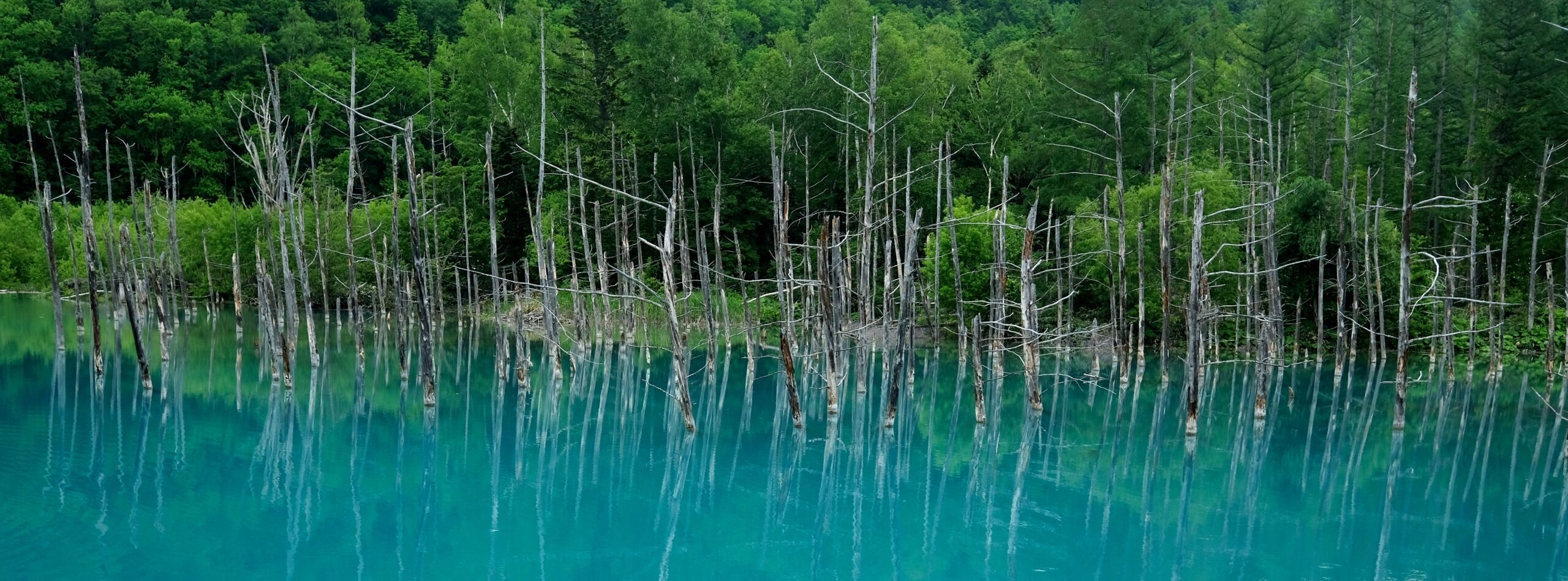
Nearby, Blue Pond in Biei lives up to the hype. An artificial pond where dissolved aluminum in the water creates an otherworldly cobalt blue color. Dead birch trees stand in the middle like something from a fairy tale. It’s a short walk from the parking lot (¥500 for parking) and takes maybe 30 minutes to see. But those 30 minutes are stunning. The color shifts depending on light and season—bright turquoise in summer, frozen electric blue in winter.
Biei’s patchwork hills are best explored by car, stopping wherever the view grabs you. No tickets. No crowds. Just farmland and mountains and the kind of quiet that recharges everyone, adults and kids alike.
Not your average zoo. Asahiyama, in the city of Asahikawa about 90 minutes north of Sapporo, redesigned itself around the idea that you should see animals behaving naturally rather than pacing in concrete boxes. The results are remarkable.
The penguin enclosure has a clear acrylic tunnel that runs underneath the swimming area. Penguins rocket past inches from your face. Our kids screamed. Other kids screamed. Adults screamed. It’s thrilling in a way that zoo exhibits rarely manage to be.
In winter (December through March, weather permitting), the zoo runs a penguin walk—king penguins waddle down a path through the zoo while visitors line up on either side. It started as exercise for the penguins and became the zoo’s most popular attraction. Deservedly so. Nothing prepares you for how absurd and delightful it is to watch penguins commute.
The seal tunnel is another standout. A vertical glass tube connects two pools, and seals torpedo through it at eye level. Hypnotic. We stood there for fifteen minutes watching the same seal go back and forth.
Admission: ¥1,000 for adults. Free for kids under 15. Free! For a zoo this good. Japan continues to make zero sense with its pricing, and we continue to benefit from it.
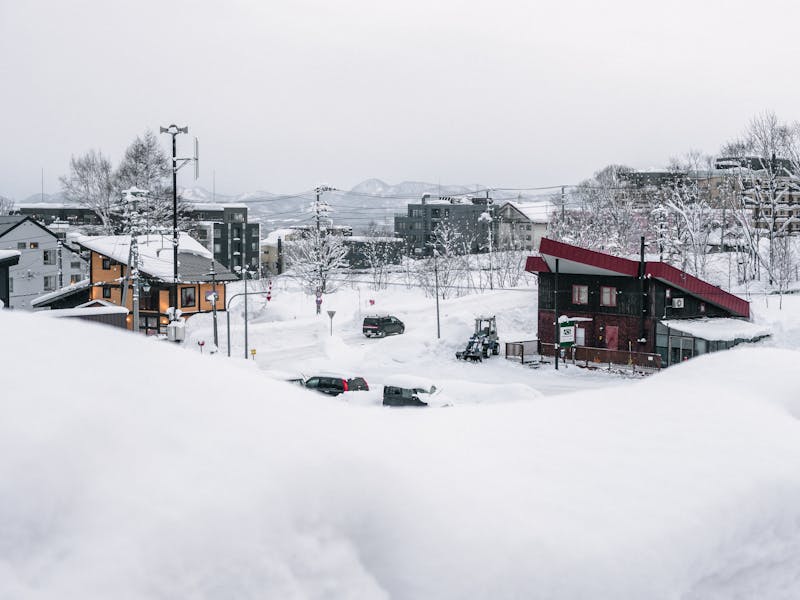
If you’re visiting between December and March, Niseko needs to be on the list. This is where serious skiers come for powder—deep, dry, consistent snow that falls in quantities other resorts dream about. Average annual snowfall: over 15 meters. Fifteen. Meters.
But here’s what matters for families: Niseko is set up for kids. Multiple resorts (Grand Hirafu, Hanazono, Niseko Village, Annupuri) share a mountain with interconnected lifts. Each has ski schools with English-speaking instructors, daycare facilities, and gentle beginner runs that don’t dump you onto terrifying steep faces five minutes in.
Lift passes run ¥6,000–8,000 ($40–53) per day for adults. Kids under 6 ski free at most resorts. Group lessons for children start around ¥8,000–12,000 ($53–80) for a half day. Not cheap, but the instruction quality is high and our kids went from pizza-wedge snowplowing to linking turns in two days.
Niseko village has a strong international presence—lots of Australian and Southeast Asian visitors, English menus everywhere, and an après-ski scene that caters to families as well as the bar crowd. The downside: it’s pricier than other Hokkaido ski areas. Accommodation in peak season (late January through February) books out months ahead and rates rival European resorts. Book early or look at Furano and Rusutsu as alternatives. Both have excellent snow and lower prices.
Hakodate sits at the southern tip of Hokkaido, reachable by train from Sapporo in about four hours (or a quick domestic flight). It’s worth the trip for two things.
First: Goryokaku. A star-shaped Western-style fort from the 1860s, built during the tail end of the samurai era. The fort itself is a pleasant park with walking paths and cherry blossoms in May. But the real payoff is Goryokaku Tower next door—an observation deck that lets you see the full star shape from above. Kids who’ve been dragged through one too many temples perk up immediately when they see the geometric perfection of this thing from the air. Tower admission is about ¥1,000.
Second: the night view. Take the ropeway (¥1,800 round trip) to the top of Mount Hakodate at sunset and watch the city light up between two dark curves of ocean. It’s considered one of Japan’s three great night views, and having seen it, we won’t argue. Even our kids, who normally greet scenic lookouts with the enthusiasm of dental patients, stood at the railing in genuine awe.
Hakodate’s morning market is outstanding for breakfast. Fresh squid, crab, ikura (salmon roe) bowls, and seafood so fresh it’s still twitching. Literally. They serve squid that moves on the plate. Our five-year-old was horrified and then fascinated and then asked if we could buy one as a pet. We could not.
Two windows, both excellent, totally different trips.
Summer (late June through August) is the comfortable choice. Temperatures hover around 20-25°C while mainland Japan bakes at 35°C with suffocating humidity. The lavender blooms. The countryside turns green. Outdoor activities are everywhere. This is Hokkaido at its most accessible, especially for families with younger kids who don’t handle extreme weather well.
July is peak season, particularly during lavender bloom in Furano. Hotels fill up fast and prices climb. Late June or August offer better availability with only slightly less spectacular scenery.
Winter (December through March) is for skiing families and anyone who finds snow magical rather than miserable. Niseko’s powder is legendary. Sapporo’s Snow Festival in early February is spectacular. Asahiyama Zoo’s penguin walk only runs in winter. The trade-off: it’s cold. Properly cold. Sapporo averages around -2°C in January. Dress in layers, invest in good boots for the kids, and embrace it.
Shoulder seasons (May and September/October) can work too. Fewer travelers, mild weather, autumn foliage in October that rivals Kyoto without the crushing crowds. Cherry blossoms hit Hokkaido in May, weeks after the mainland’s have already fallen.
Four days covers Sapporo, Otaru, and one or two other spots. That’s the minimum for it to feel worthwhile rather than rushed. Seven days lets you hit Sapporo, Otaru, Furano/Biei, Asahiyama Zoo, and either Niseko or Hakodate without anyone melting down from over-scheduling.
A sample week: two nights in Sapporo (arrive, explore city, day trip to Otaru), two nights in Furano area (Farm Tomita, Blue Pond, countryside driving), one night near Asahikawa (zoo day), two nights back in Sapporo or onward to Hakodate. Adjust as needed. Hokkaido rewards flexibility.
For families staying at traditional Japanese ryokans, Hokkaido has some stunners—particularly in onsen towns like Noboribetsu and Jozankei. A night in a ryokan with hot spring baths and kaiseki dinner is one of those family memories that sticks. Kids in yukata robes, splashing in outdoor baths, eating courses of food they can’t identify but somehow love. Worth the splurge.
Hokkaido’s dairy is absurdly good. Milk, cheese, ice cream, butter—all noticeably better than what you’ll find on the mainland. Our kids drank more milk in one week in Hokkaido than in the previous three months at home. Every roadside rest stop sells soft serve, and it’s all excellent. Budget for ice cream. Seriously. It becomes a line item.
The pace is slower. Sapporo has energy, but step outside the city and life downshifts. People are relaxed. Shops close earlier. Nobody rushes. After the sensory onslaught of Tokyo and Osaka, Hokkaido felt like exhaling.
English signage is less common outside Sapporo and Niseko. Google Translate’s camera function saved us multiple times at rural restaurants. Download the Japanese language pack offline before you go.
Hokkaido surprised us. We went expecting a nice add-on to our Japan trip and came back wondering if it was the highlight. Wide open spaces, world-class food, genuinely family-friendly attractions, and a climate that doesn’t punish you for bringing children outside. It’s the Japan trip you didn’t know you needed.