
Family travel · FAMILY TRAVEL
Japan on a Family Budget
Japan has a reputation for being expensive. It’s not entirely wrong — a kaiseki dinner or a night at a premium ryokan will remind you quickly that quality costs money here. But the daily reality of travelling Japan with kids is surprisingly affordable if you know where the savings are.
We spent less per day in Japan than we do on a typical family trip to any major US city. The food is cheaper. The trains are included if you have the pass. The best parks are free. And the accommodation, while small, can be found at reasonable prices if you’re strategic.
Here’s where the money actually goes, and how to keep it under control.
In This Article
Accommodation
This is the biggest variable. Japan offers everything from ¥5,000 per night capsule pods to ¥60,000 per person ryokans.
Business hotels are the sweet spot for budget families. Toyoko Inn is the chain to know — clean, reliable, ¥7,000-12,000 per night for a double room, and children under 12 stay free when sharing with parents. There’s one near basically every major train station in the country. The rooms are small — genuinely small — but for sleeping, they work.
MIMARU apartment hotels cost more (¥20,000-30,000 per night for a family room) but the kitchen and washing machine save money downstream. Cook breakfast from supermarket groceries. Wash clothes instead of packing two weeks’ worth. The per-day saving on food alone can offset the higher room rate.
Ryokans are the splurge. One night at ¥25,000-40,000 per person. Worth it for the experience, but one night is enough for the budget. See our ryokan guide.
Food
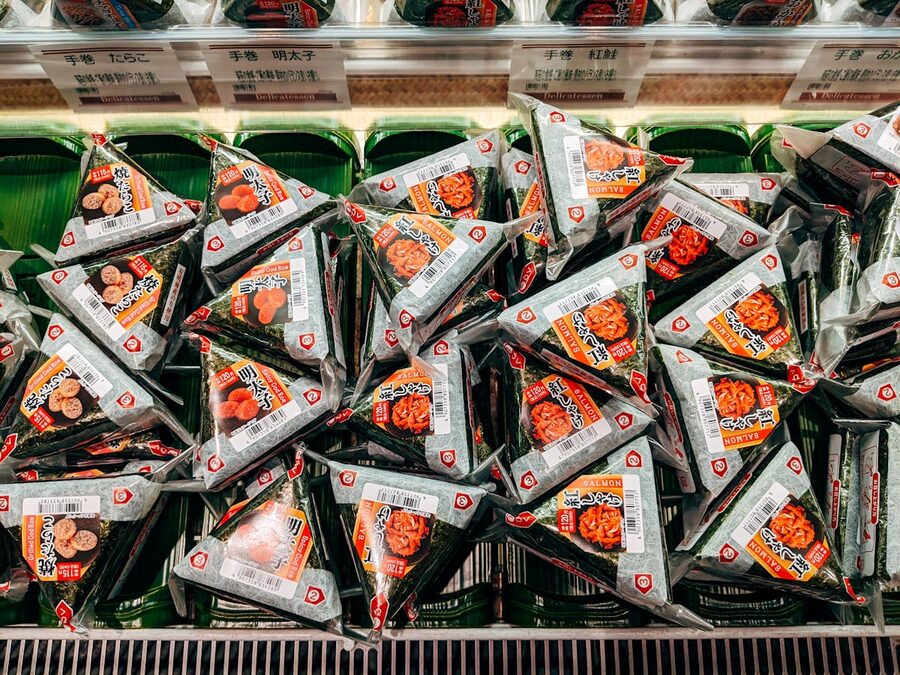
This is where Japan destroys the “expensive” myth. Family restaurant chains serve proper meals for ¥400-800 per person. Convenience stores sell fresh, good food for ¥200-500 per item. Ramen costs ¥800-1,200 per bowl. Conveyor belt sushi is ¥100 per plate.
Our daily food budget for a family of four:
Breakfast: Convenience store. Onigiri, sandwiches, coffee. ¥800-1,200 for four people. This isn’t a compromise — the food is genuinely good and many Japanese families do the same thing.
Lunch: Ramen, conveyor belt sushi, or a family restaurant. ¥2,000-3,500 for four.
Dinner: Family restaurant, izakaya, or a slightly nicer sit-down place. ¥3,000-6,000 for four.
Snacks: Taiyaki from a street stall ¥200. Vending machine drinks ¥130 each. 100-yen shop snacks. ¥500-1,000 per day.
Total: ¥6,000-12,000 per day for a family of four. That’s roughly $40-80. Show me a US city where a family of four eats three meals for $60.
The supermarket evening discount is the budget traveller’s secret: after 7pm, most supermarkets slash bento and prepared food prices by 20-50%. A ¥500 bento becomes ¥250. A sushi platter marked down to ¥400. If your hotel has a fridge (MIMARU) or you’re eating in, this is exceptional value.
Transport
The JR Pass is the big transport decision. At ¥50,000 per adult for 7 days, it’s a significant upfront cost. But if your itinerary includes Tokyo to Kyoto (or beyond), the pass typically saves money compared to buying individual tickets. And children under 6 travel completely free — no pass needed.
Within cities, an IC card (Suica or Pasmo) and walking covers almost everything. Most Tokyo journeys cost ¥170-300. A day pass for Tokyo Metro is ¥800 — worth it if you’re doing 4+ journeys.
Walking is free and Japan is extremely walkable. We averaged 15,000-20,000 steps per day without trying. Good shoes matter more than transport budgets.
Free Activities
More than you’d expect.
Parks: Ueno, Yoyogi, Shinjuku Gyoen (¥500 entry but worth it), Osaka Castle grounds, Nara Park. Japanese parks are immaculate and spacious. Kids can run, play, and decompress from the sensory intensity of the cities.
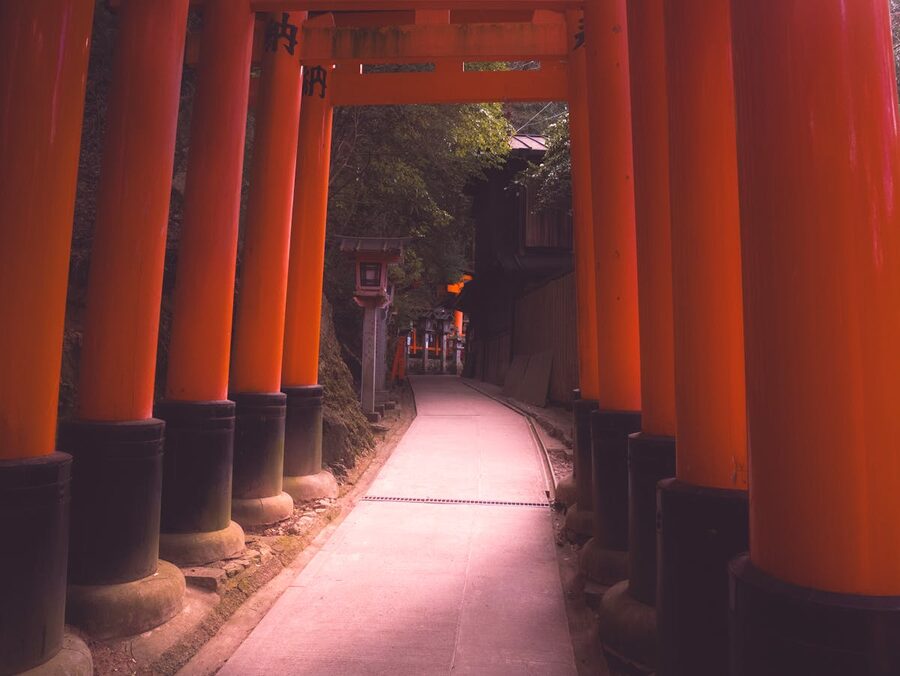
Shrines and temples: Many are free to enter. Senso-ji in Asakusa, Meiji Shrine in Harajuku, Fushimi Inari in Kyoto — all free. Some charge ¥300-500 for specific buildings but the grounds are open.
Window shopping: Akihabara, Harajuku, Dotonbori. Looking costs nothing. The kids will want to buy things but the experience of walking through these districts is free and entertaining.
Train watching: Toddlers and young kids will happily stand at a platform watching trains arrive and depart. Every station is a free attraction for small train enthusiasts.
Festivals: If your visit coincides with a matsuri (festival), you’ll find street food, processions, music, and entertainment — most of it free to watch.
Cheap Activities
100-yen shops: Daiso, Seria, Can Do. Everything costs ¥100 (plus tax). Kids treat these like toy shops. Sticker books, small toys, stationery, snacks — set a budget per child and let them choose. It’s shopping as entertainment.
Arcades: Some games start at ¥100. Claw machines, racing games, photo booths. Not free but cheap per unit of entertainment.
Public swimming pools: Available in most Japanese cities for ¥200-500 per person. Clean, well-maintained, and a good option on hot summer days.
What NOT to Budget On
Some things are worth paying for even on a tight budget:
The JR Pass — if your itinerary warrants it. The convenience of unlimited train travel with kids who might need to change plans at short notice is worth more than the ticket price.
One ryokan night — the cultural experience is irreplaceable. Cut other accommodation costs to make room for this.
USJ Express Passes — if you’re going to Universal Studios Japan, the Express Passes are expensive but the alternative is 2-3 hour queues with children. The “savings” of skipping the Express Pass cost you in misery.
Pocket wifi or eSIM — you need internet for Google Maps, translation, and keeping kids occupied. Don’t try to survive on cafe wifi.
Daily Budget Tiers
For a family of four per day:
Budget (¥15,000-20,000 / $100-135): Business hotel, convenience store and family restaurant meals, free activities, walking everywhere. Tight but doable.
Mid-range (¥30,000-45,000 / $200-300): MIMARU apartment or decent hotel, mix of eating out and self-catering, some paid attractions, JR Pass days. Comfortable without feeling restricted.
Comfortable (¥50,000-70,000 / $330-465): Good hotel, eating out for most meals, paid attractions, the occasional taxi when everyone’s tired. No stress about money but not extravagant.
Add the one-off costs on top: JR Pass, Disney/USJ tickets, ryokan night. These spike specific days but average out over two weeks.
Money Practicalities
Japan still uses a lot of cash. Major chains and tourist areas take cards, but smaller restaurants, temples, vending machines, and local shops may not. Carry ¥10,000-20,000 in cash at all times.
7-Eleven ATMs accept international cards and are everywhere. Withdraw yen as needed rather than changing a large amount at the airport.
No tipping. At all. Not at restaurants, not at hotels, not in taxis. This saves roughly 15-20% compared to tipping cultures, which adds up significantly over two weeks.
The Real Cost
We tracked every yen for our two-week trip. The flight was the biggest single expense. After that, daily costs were comparable to a domestic US trip — often cheaper. The food was better. The trains were included. The parks were free. And the experiences were incomparable.
Japan doesn’t have to be expensive. It just has to be planned.