Physical Address
304 North Cardinal St.
Dorchester Center, MA 02124
Physical Address
304 North Cardinal St.
Dorchester Center, MA 02124

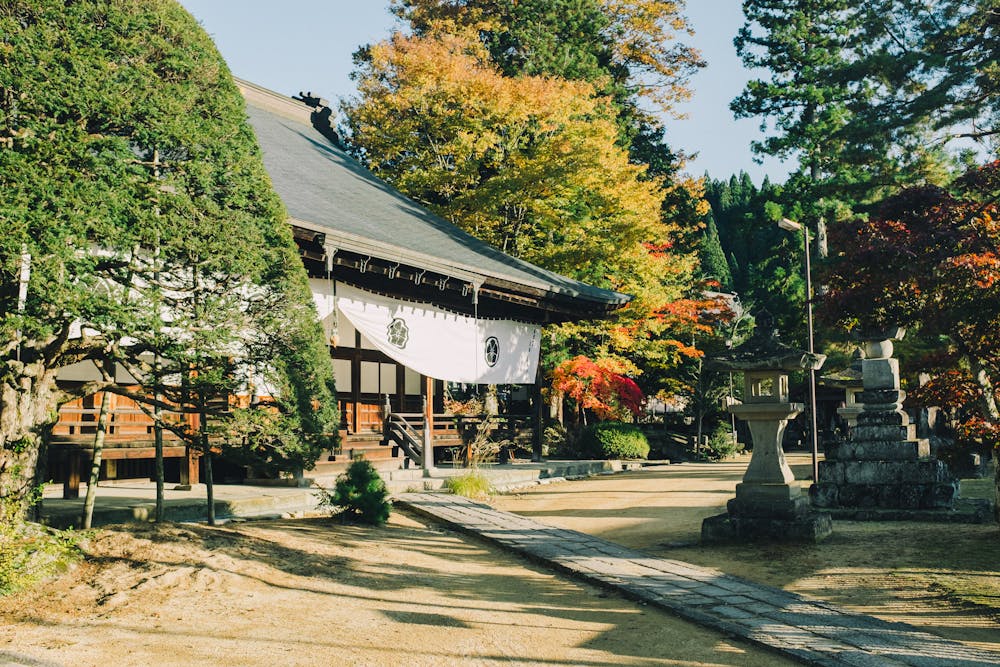
Takayama wasn’t on our original Japan plan. A friend who’d been the year before insisted we add it, and we’re so glad we listened. This small mountain town in the Japanese Alps has preserved Edo-era streets, morning markets where our kids tried freshly grilled rice balls, and some of the best beef we ate in the entire trip. It felt like stepping back in time, and the slower pace was exactly what we needed after the intensity of Tokyo and Osaka.
Takayama is about 3.5 hours from Tokyo by a combination of shinkansen to Nagoya and then the JR Wide View Hida limited express through the mountains. From Nagoya alone, it’s about 2.5 hours. The train ride through the mountain valleys is genuinely scenic — our kids spent most of it glued to the window watching the rivers and gorges go by. Both legs are covered by the JR Pass.
We stayed one night in Takayama, which felt right. You could do it as a day trip from Nagoya, but you’d miss the morning markets and the quiet evening atmosphere when the travelers leave.
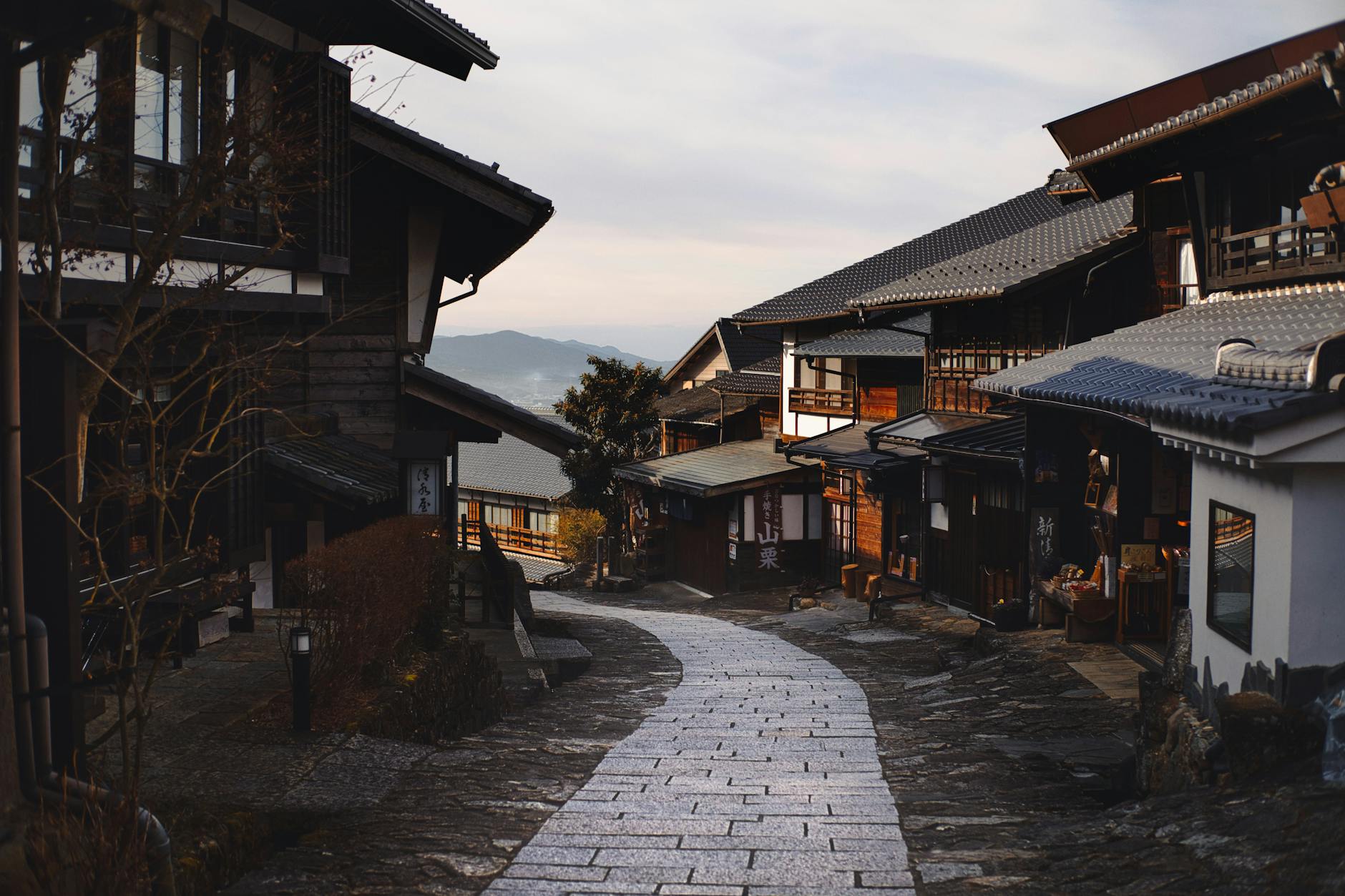
The old town district, centred on the three streets known as Sanmachi Suji, is the heart of Takayama. These are beautifully preserved wooden merchant houses from the Edo period, many of which are now sake breweries, craft shops, and small museums. You can tell which breweries have produced new sake by the cedar ball (sugidama) hanging above the entrance — when it’s green, the sake is fresh.
Our kids liked peeking into the old houses and spotting the cedar balls. The streets are pedestrian-friendly and flat, which made pushchair life easy. We spent a couple of hours just wandering, dipping into shops, and trying free sake samples (the adults, obviously — the kids got apple juice from one of the stalls).
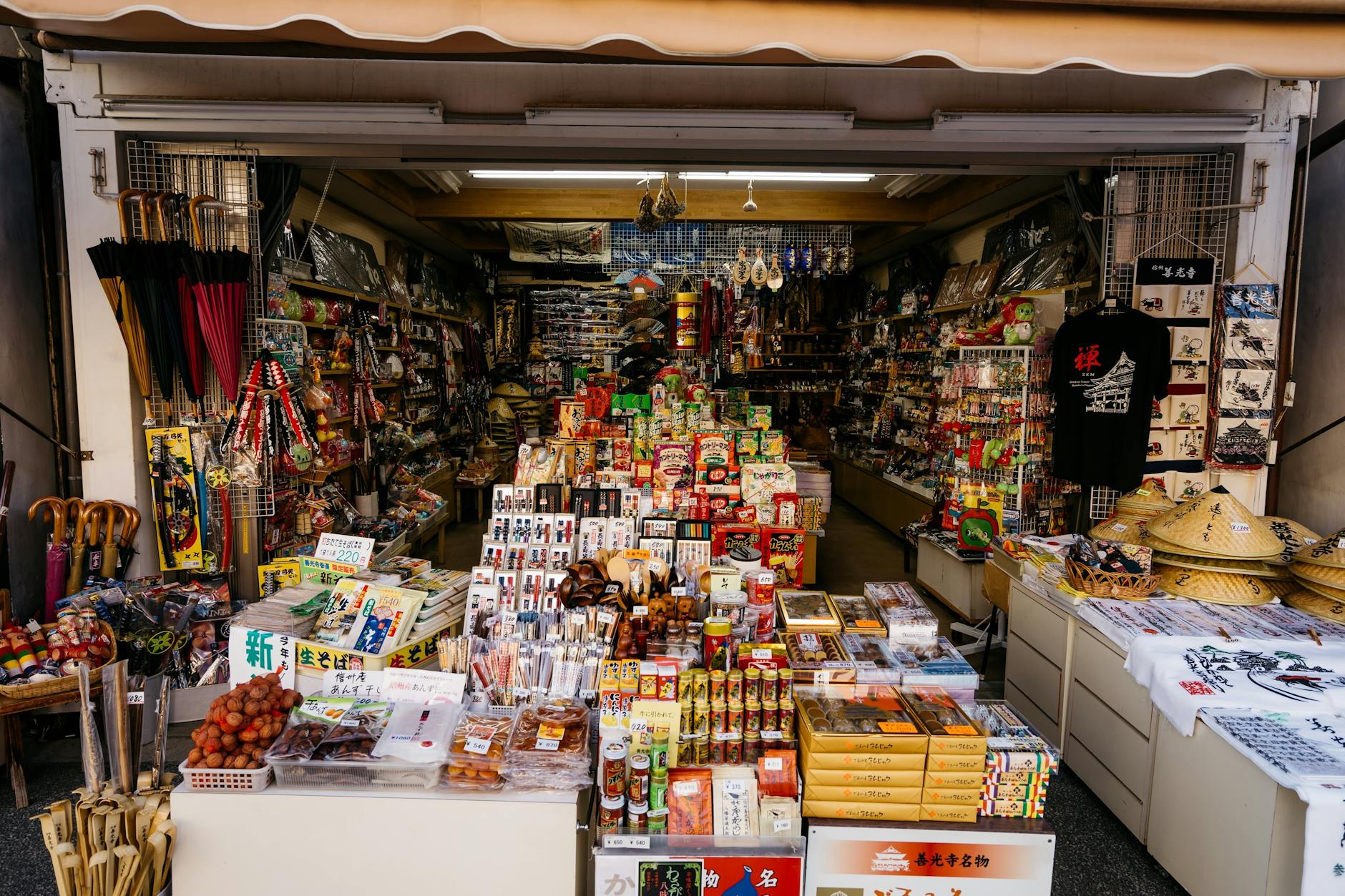
Takayama has two morning markets that run daily from around 7am to noon. The Miyagawa Morning Market runs along the river and the Jinya-mae Market sits in front of the old government building. We hit the Miyagawa one first and it was lovely — local vendors selling pickles, fruits, handmade crafts, and freshly cooked snacks.
The kids got grilled mitarashi dango (¥200 for a stick of four) which are sticky rice balls coated in a sweet soy glaze. They also tried Hida beef skewers — more on that below. The market has a relaxed, local feel that’s a nice contrast to the tourist areas of bigger cities. Get there by 8am for the best atmosphere before it fills up.
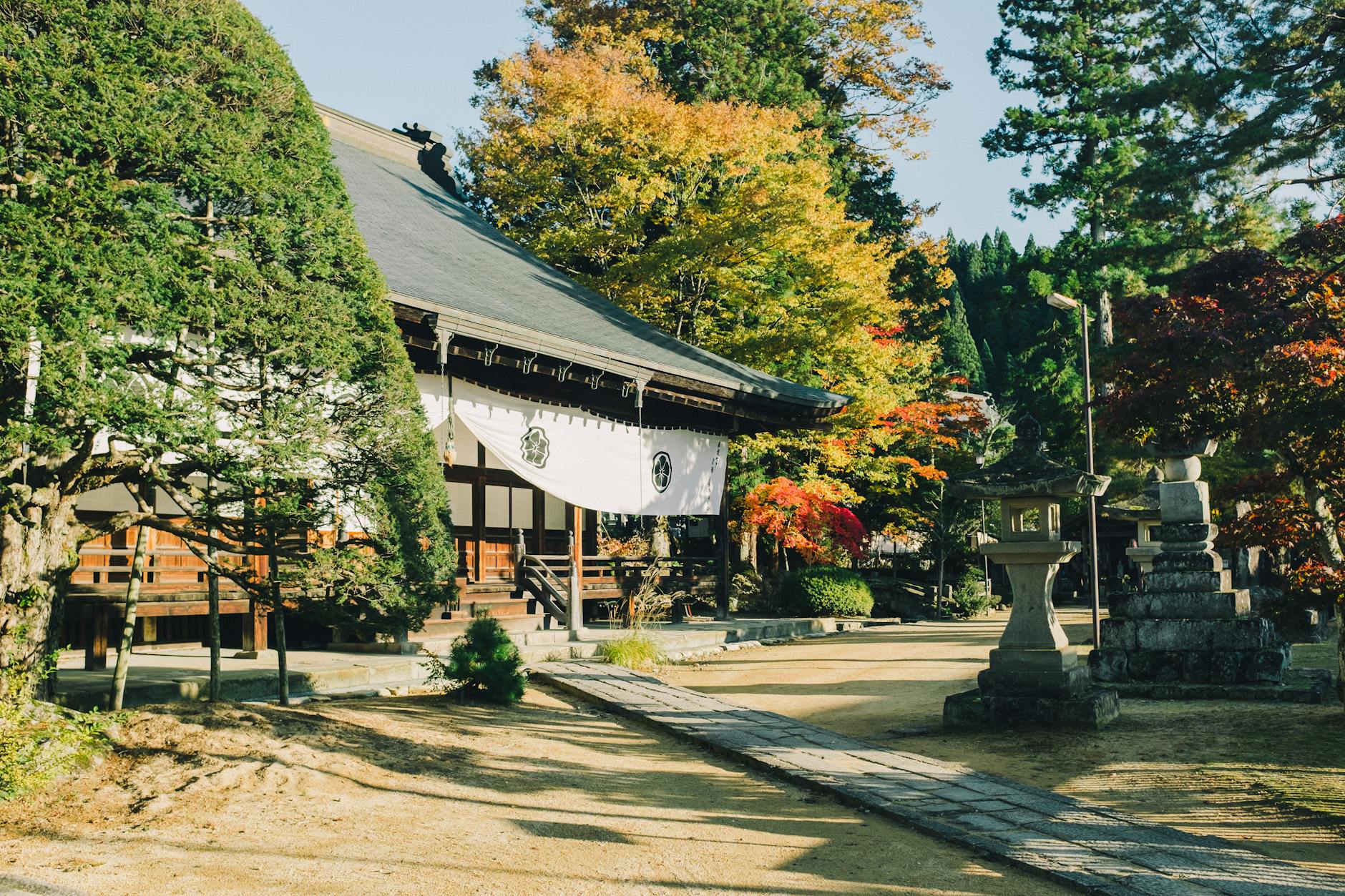
About a 30-minute walk from the station (or a short bus ride), Hida no Sato is an open-air museum of over 30 traditional thatched-roof farmhouses (gassho-zukuri style) that were relocated here from the surrounding mountain region. The steep thatched roofs are designed to handle heavy snowfall, and some of the houses are four storeys tall.
Entry is ¥700 for adults and ¥200 for children. Our kids enjoyed exploring inside the houses, climbing the steep internal ladders, and finding the old tools and looms on display. There are also hands-on craft workshops — we tried making sarubobo (small red fabric dolls traditional to the area) for ¥600 each. The whole village is spread across a hillside and took us about 90 minutes to cover at a kid-friendly pace.
Takayama is all about Hida beef, which is up there with Kobe and Matsusaka as one of Japan’s premium wagyu brands. We had Hida beef sushi from a stall in the old town — two pieces of seared beef on rice for ¥700. The kids declared it the best thing they’d eaten in Japan. We also had a proper Hida beef lunch at a small restaurant near Sanmachi Suji, where a set meal with beef, rice, soup, and pickles cost about ¥2,500.
Mitarashi dango here is different from other parts of Japan — it’s savoury-sweet with a soy glaze rather than the sweet sauce you’ll find elsewhere. The kids ate so many sticks of it over two days that I lost count. Takayama ramen (a clear soy-based broth with curly noodles) is another local specialty, and bowls start around ¥800. For more on feeding kids in Japan, Takayama is one of the easier places because so much of the food is available as street snacks.
If you can, stay at a ryokan in Takayama. We found a family-run one near the old town for about ¥15,000 per person including dinner and breakfast, and it was a highlight of the trip. The multi-course kaiseki dinner included Hida beef, and breakfast was a spread of grilled fish, rice, miso soup, and pickles.
Takayama is compact and walkable. We didn’t use any public transport within the town itself. The altitude means it’s cooler than the lowland cities, which was a relief in summer but means you’ll want layers in spring and autumn. If you’re building a wider Japan itinerary, Takayama fits well between Tokyo and Kyoto as a one or two-night stopover. It’s also close to Shirakawa-go if you want to see more thatched-roof villages.