Aerial view of Shinjuku Tokyo with city lights at night

Japan Itinerary With Kids

Japan Itinerary With Kids: Our Honest 10-14 Day Plan

Aerial view of Shinjuku Tokyo with city lights at night

We’ve done this trip twice now. The first time, we crammed too much in and spent half the vacation dragging cranky kids between train stations. The second time, we got it right. This is what actually works with children, what’s worth the effort, and what you can skip.

Japan with kids is easier than you’d expect. Trains run on time (to the second), the food is incredible even for picky eaters, convenience stores solve every problem, and Japanese people are extraordinarily kind to children. But you need a plan. This covers a full 14-day trip, plus what to cut if you only have 10 days.

Before You Go: What to Book in Advance

Japan isn’t a “wing it” destination. Some things sell out weeks or months ahead, and you’ll kick yourself if you don’t plan. Here’s our priority list:

  • Flights: Book 3-6 months out. Direct from the US West Coast: ¥150,000-225,000 ($1,000-$1,500) per person round trip. See our guide to flying to Japan with kids.
  • JR Pass: Order before you leave. 14-day pass: ¥70,000 adults, ¥35,000 kids 6-11. Under 6 free. Read our Japan Rail Pass guide for families.
  • Ryokan in Hakone: Book 2-3 months ahead. Good family-friendly ryokans fill fast.
  • USJ tickets: Buy online 2+ weeks out. Express passes for Nintendo World sell out even earlier.
  • teamLab tickets: Available 3 months ahead. Weekend slots disappear fast.
  • Pocket WiFi or eSIM: Order before departure for Google Maps and translation apps.

Days 1-3: Tokyo

Day 1: Arrive and Recover

You’ll land at Narita or Haneda. Haneda is closer — 30 minutes versus 60-90 from Narita. Don’t activate your JR Pass today. You won’t need it in Tokyo, and you don’t want to burn pass days on subways that aren’t covered anyway.

From the airport, grab a Suica or Pasmo IC card for each family member. These rechargeable transit cards work on virtually every train, bus, and subway in Japan. Tap and go. No fumbling with tickets.

For your first day, do almost nothing. We mean it. Jetlag from the US is brutal — you’re 13-17 hours ahead depending on your time zone. Check into your hotel (we recommend the Shinjuku or Ueno area — see our Tokyo family hotel guide), find a nearby convenience store, buy onigiri and sandwiches, and let the kids crash. That’s it. That’s the plan. The convenience stores alone will blow your kids’ minds — 7-Eleven in Japan is nothing like the US version. Fresh sushi, steamed buns, and about 40 kinds of Kit-Kats.

Day 2: Ueno and Asakusa

Start easy. Your family will wake up at 4 or 5 AM because jetlag is relentless. Use it. Head to Senso-ji temple in Asakusa around 6:30 AM when it’s practically empty. The massive red lantern at Kaminarimon gate looks incredible in the early morning light, and your kids can actually run around without bumping into tour groups. Nakamise-dori shopping street opens around 9 — grab some ningyo-yaki (little cakes shaped like dolls) and melon pan for breakfast.

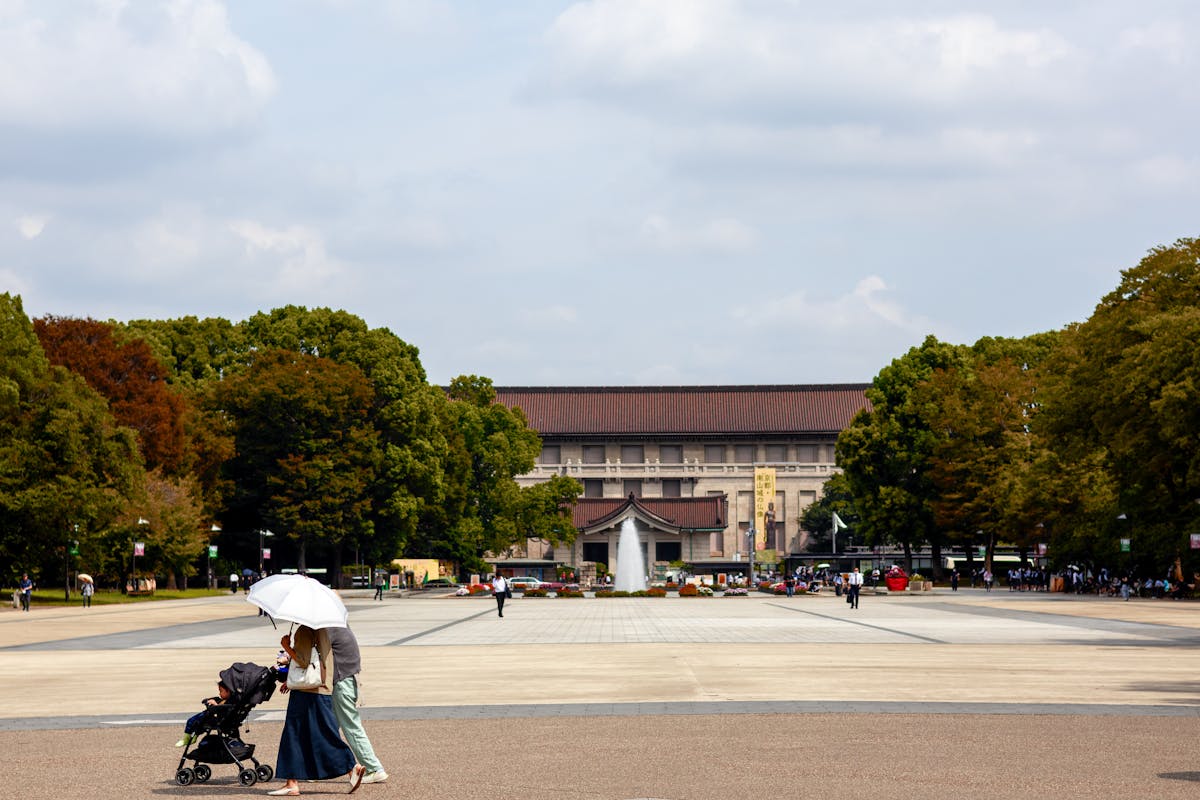
After Asakusa, walk or take the subway one stop to Ueno. Ueno Park is perfect for jet-lagged families — a zoo (¥600 for adults, free for kids under 12), a playground, several museums, and Shinobazu Pond. The National Museum of Nature and Science is outstanding for kids with interactive exhibits and dinosaur skeletons. Entry is ¥630 for adults and free for under-18s.

For dinner, try a conveyor belt sushi place. Our kids were skeptical at first, then ate about 15 plates each. Expect ¥3,000-5,000 for a family of four. Check our guide to eating in Japan with kids for restaurant tips and allergy advice.

Day 3: Shibuya, Harajuku, and One Big Attraction

Morning in Harajuku. Takeshita Street is sensory overload in the best way — cotton candy the size of your torso, crepes stuffed with strawberries, wild fashion shops. Our 8-year-old declared it “the best street in the world.” Spend 90 minutes, then walk to Meiji Shrine next door. It feels like stepping into a forest despite being in central Tokyo.

Walk to Shibuya for the famous crossing. Watch from the Starbucks above first, then cross it yourselves. Less scary than it looks.

For the afternoon, pick ONE big attraction. Not two. One.

Our top picks:

  • teamLab Borderless (Azabudai Hills): Reopened in a new location in 2024. The immersive digital art installations are jaw-dropping for all ages. Book the 4 PM slot — the kids are more awake and the lighting feels more dramatic. Tickets are ¥3,800 for adults and ¥1,500 for kids. Allow 2-3 hours.
  • Tokyo DisneySea: If your family does Disney parks, this is one of the best in the world. It’s unique to Japan and genuinely different from any Disney park in the US. Full-day commitment though. Budget ¥30,000+ (~$200+) for a family of four with food.

We’d skip Tokyo Disneyland unless your kids are under 6. DisneySea is the special one.

Day 4: Day Trip — Kamakura or Nikko

You’ve got a choice here, and it depends on your family.

Kamakura is closer (about 1 hour) and easier with younger kids. The Great Buddha is 13 meters tall, and kids can go inside it for ¥50. Walk through town, grab shirasu rice near the beach, and ride the Enoden streetcar along the coast. Relaxed and manageable.

Nikko is farther (about 2 hours) but more dramatic. The Toshogu Shrine complex is covered in ornate carvings — including the original “see no evil, hear no evil, speak no evil” monkeys. Better for older kids who appreciate history. Our honest take? Kamakura for kids under 8, Nikko for older ones. If you’re cutting to 10 days, skip this day trip entirely.

Day 5: Travel to Hakone — Ryokan Night

This is the day to activate your JR Pass. You’ll use it from here through the rest of the trip.

Take the Shinkansen from Tokyo Station to Odawara (35 minutes — yes, the bullet train is that fast). From Odawara, local transport gets you into Hakone. If your ryokan offers shuttle service from Odawara Station, take it. If not, the Hakone Tozan train winds its way up the mountain and kids love it.

Before you leave Tokyo: use takkyubin luggage forwarding. For about ¥2,000-3,000 per bag, send your suitcases ahead to your Kyoto hotel while you travel light through Hakone. Drop them at any convenience store or hotel front desk. Your bags arrive 1-2 days later. Hauling luggage up and down train station stairs with a stroller? Never again.

Check into your ryokan by mid-afternoon. A family-friendly ryokan is one of the most memorable experiences you can give your kids in Japan — yukata robes, futon beds on tatami floors, kaiseki dinner, and an onsen hot spring bath. Many ryokans have private family baths so you don’t need to worry about the no-swimsuit rule. Expect ¥25,000-50,000 per person including dinner and breakfast. Expensive. Worth every yen. This is the day they’ll talk about for years.

Day 6: Hakone Loop Morning, Kyoto Afternoon

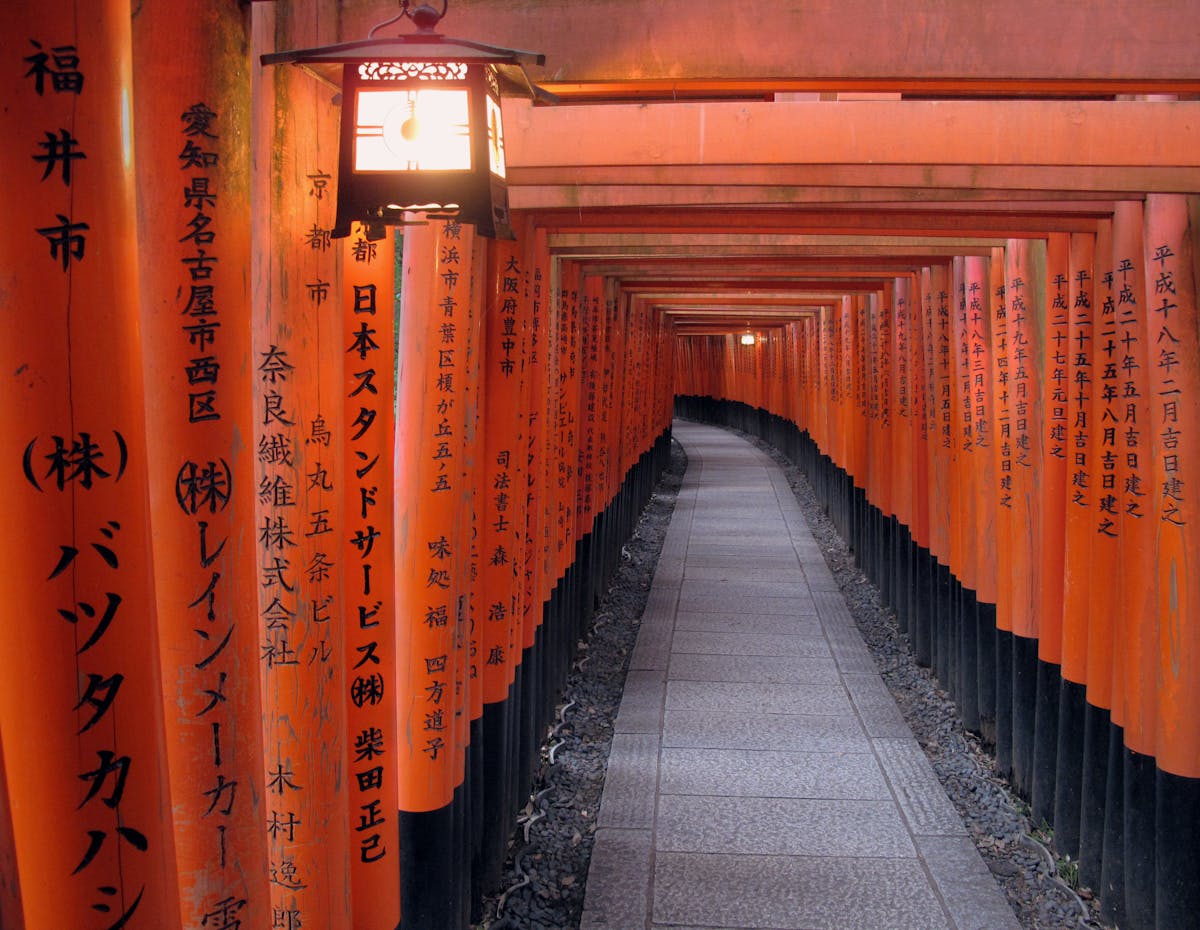
Red torii gates at Fushimi Inari Shrine Kyoto

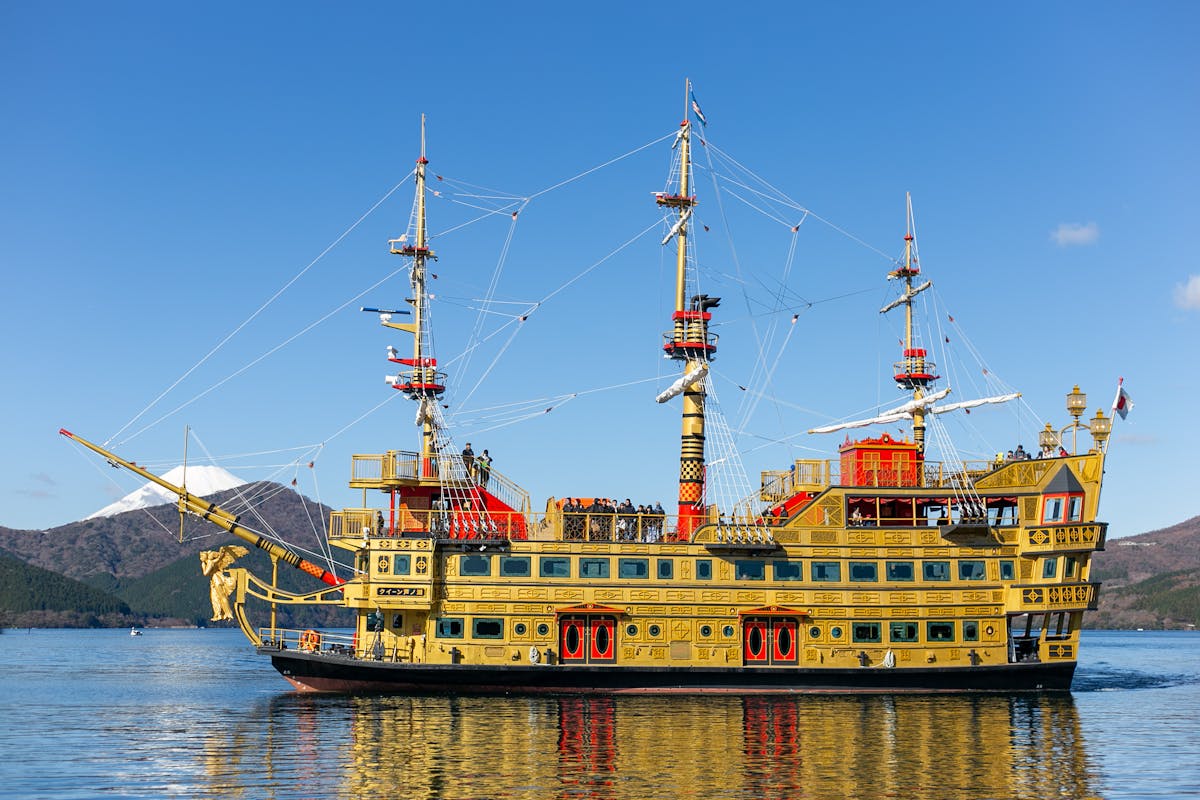
The Hakone Loop is a circuit of different transport types: cable car, ropeway gondola, pirate ship across Lake Ashi, and bus. Kids go wild for this — it’s basically a theme park that happens to pass through volcanic landscapes with views of Mt. Fuji on clear days. Do the ropeway over Owakudani (buy the volcanic black eggs, one supposedly adds 7 years to your life) and the pirate ship, then head back to Odawara by early afternoon.

From Odawara, catch the Shinkansen to Kyoto. Two hours. Your JR Pass covers it. Stay near Kyoto Station for convenience or in Gion for atmosphere.

Days 7-8: Kyoto

Kyoto is where Japan slows down. Temples, shrines, bamboo groves, and the kind of beauty that makes even tired kids stop and stare. We have a detailed Kyoto with kids guide, but here’s how we’d spend two days.

Day 7: Fushimi Inari and East Kyoto

Fushimi Inari — thousands of orange torii gates winding up a mountain — is best before 8 AM. You don’t need to hike to the top. Thirty to 45 minutes up and back is enough, and you’ll beat the crowds.

After, head to Nishiki Market for brunch. Grilled octopus on a stick. Mochi. Matcha ice cream. Let each kid pick three things. Budget ¥3,000 for the family to graze.

Afternoon: Kinkaku-ji (the Golden Pavilion). In and out in 30 minutes. It genuinely looks like the photos. ¥500 adults, ¥300 kids. If energy remains, the Kyoto Railway Museum has steam locomotives and a train simulator — ¥1,200 adults, ¥500 kids.

Day 8: Arashiyama

Give Arashiyama a full day. Take the JR train from Kyoto Station (covered by your pass) and you’re there in 15 minutes.

The Arashiyama Bamboo Grove is the main draw. Walk through the towering bamboo, then cross the Togetsukyo Bridge and hike up to the monkey park — wild macaques roam free, and you can feed them from inside a wire enclosure (so the monkeys are “outside” and you’re “caged”). Our kids found this hilarious. Entry is ¥550. Rent bikes if your kids are old enough — Arashiyama is flat and cycling between temples and shops is genuinely fun at ¥1,000 per bike per day.

Day 9: Day Trip to Nara

Nara is 45 minutes from Kyoto by train and it’s non-negotiable on a family trip. This is the place with the deer. Hundreds of them. Roaming free through the park and temple grounds, bowing for crackers. Nara with kids is pure magic.

Buy shika senbei (deer crackers) for ¥200 per bundle. Bow to a deer, it bows back, then eats from your hand. Keep the crackers hidden until you’re ready or you’ll get mobbed. Head deeper into the park for gentler deer — the ones near the stalls are pushy professionals.

Visit Todai-ji temple, which houses a 15-meter-tall bronze Buddha inside one of the largest wooden structures in the world. There’s a pillar with a hole at its base — legend says crawling through it grants enlightenment. Kids love the challenge. Entry is ¥600 for adults and ¥300 for kids. You could be back in Kyoto by 2 PM. Or just rest. Resting is underrated.

Days 10-11: Osaka

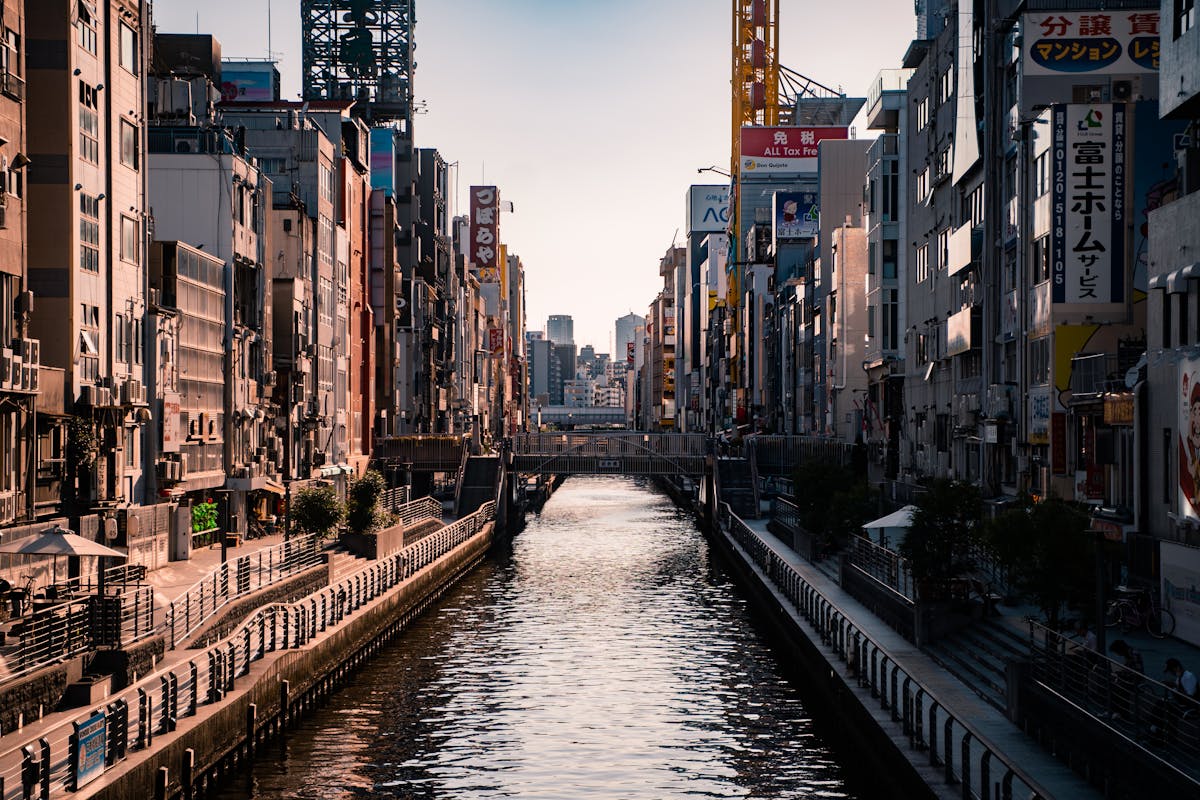
Neon lights in Osaka Dotonbori district

Osaka is loud, fast, and food-obsessed. It’s the perfect contrast to Kyoto’s calm. Take the Shinkansen or a regular JR train (both covered by your pass) — it’s only 15-30 minutes from Kyoto. Check out our full Osaka with kids guide for all the details.

Day 10: Dotonbori and Osaka Castle

Dotonbori at night is sensory overload. Giant mechanical crabs. Neon everywhere. The smell of takoyaki (octopus balls) on every corner. But go during the day first with kids — it’s less chaotic and you can actually eat without being shoved.

Eat your way through it. Takoyaki (¥500-800), okonomiyaki (¥800-1,200), kushikatsu (¥100-300 per skewer). Our kids wouldn’t stop eating takoyaki. We spent ¥8,000 on street food for a family of four and nobody was hungry.

Osaka Castle is worth a visit for the samurai armor exhibits and the huge green grounds. Entry is ¥600 for adults and free for kids under 15.

Day 11: Universal Studios Japan

If your kids know Mario or Harry Potter, Universal Studios Japan is a must. Super Nintendo World is the main event — Mario Kart: Koopa’s Challenge is legitimately one of the best theme park rides we’ve ever experienced. The Power-Up Band (¥4,800) lets kids punch blocks and collect coins throughout the land. They won’t want to leave.

Budget alert: USJ is expensive. Tickets run about ¥8,600 for adults and ¥5,600 for kids. Express passes add ¥10,000-20,000+ (~$67-133+) per person. A full day for a family of four can hit ¥80,000 easily. Worth it? Once, yes. Arrive 30 minutes before the posted opening — they often let people in early, and that first hour is gold.

Day 12: Travel Day

You have two options here.

Option A: Fly home from Osaka. Kansai International Airport (KIX) has direct flights to several US cities. This saves you the trip back to Tokyo and gives you more time in Osaka/Kyoto. If you can find flights at a reasonable price, do this.

Option B: Shinkansen back to Tokyo. About 2.5 hours, covered by your JR Pass. Buy ekiben (station bento boxes, ¥1,000-1,500 each) and let the kids watch the countryside fly by at 300 km/h. You’ll be back by early afternoon.

Days 13-14: Buffer Days

Do not skip the buffer days. We learned this the hard way on trip one.

These days are for: that thing the kids won’t stop talking about going back to. The shop where your daughter saw a stuffed animal she regrets not buying. The ramen place you walked past on Day 2. A return trip to the arcade. Or just sleeping in and wandering with no plan at all.

Good options for buffer days in Tokyo:

  • Akihabara: Electronics, anime, and arcade paradise. The multi-story crane game arcades are basically designed to vacuum money from parents’ wallets.
  • Odaiba: Waterfront area with a giant Gundam statue, shopping malls, and the National Museum of Emerging Science.
  • Shinjuku Gyoen: One of Tokyo’s best parks. ¥500 entry. Perfect for decompressing.
  • Don Quijote (Donki): Chaotic multi-floor discount stores where kids treat souvenir shopping like a treasure hunt. Shibuya location is open 24 hours.

If You Only Have 10 Days

Cut ruthlessly. Here’s what goes:

  • Cut Day 4 (Kamakura/Nikko day trip). Nice but not essential.
  • Cut Days 13-14 (buffer days). Reduce to one buffer day maximum.
  • Combine Nara with Kyoto. Do Fushimi Inari early morning and Nara the same afternoon. It’s a long day but doable.

What you absolutely should NOT cut: Hakone ryokan night, at least two days in Kyoto, and either USJ or a full day in Osaka. These are the highlights.

If you’re torn between USJ and more time exploring, ask your kids. Ours chose USJ without hesitation. Yours might surprise you and pick “the deer place” instead.

Logistics That Make or Break the Trip

JR Pass Timing

This is critical and people mess it up constantly. Activate your JR Pass on the day you leave Tokyo — Day 5 in our itinerary. A 14-day pass then covers you through Day 18, which is more than enough. A 7-day pass activated on Day 5 covers through Day 11, which gets you through Osaka. Do the math for your specific dates.

Within Tokyo, the JR Pass only covers JR lines (like the Yamanote loop). Most useful subway lines are Tokyo Metro or Toei, which aren’t included. That’s why we say don’t waste pass days on Tokyo.

Luggage Forwarding

Forward bags at every major transition via takkyubin. Tokyo to Kyoto, Kyoto to Osaka, Osaka back to Tokyo. At ¥2,000-3,000 per bag, it’s the best money you’ll spend. Hotels and convenience stores all handle it. Look for Yamato Transport’s black cat logo.

Cash and IC Cards

Get Suica or Pasmo IC cards at the airport — they work on all local transit plus vending machines and convenience stores. Japan is still heavily cash-based at smaller restaurants, shrines, and markets. Withdraw yen from 7-Eleven ATMs (they accept most foreign cards) and carry at least ¥20,000 per day for a family.

Final Thoughts

Japan changed how our kids see the world. Watching them figure out the vending machine ticket system at a ramen shop. Seeing them bow to strangers because everyone around them was bowing. Our son’s genuine shock when the train arrived at the exact second listed on the schedule.

Will there be hard days? Of course. Meltdowns at train stations. Someone too tired to walk another step. But the ratio of incredible to difficult is overwhelmingly in Japan’s favor. Go. Your kids are ready. Just book the ryokan early.