Physical Address
304 North Cardinal St.
Dorchester Center, MA 02124
Physical Address
304 North Cardinal St.
Dorchester Center, MA 02124

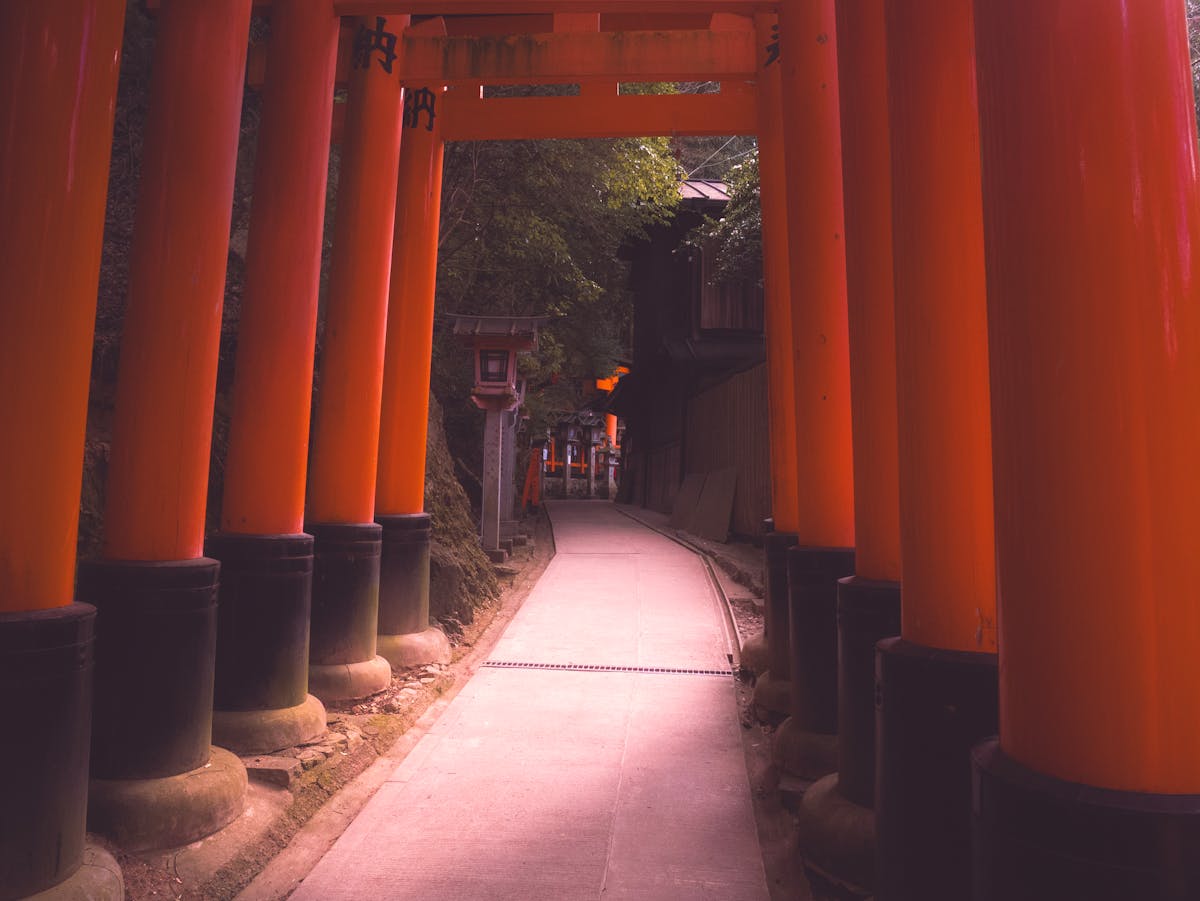
Here’s the short version: there’s no perfect month to visit Japan with kids. Every season has trade-offs, and the “right” time depends on your family’s schedule, your tolerance for heat, and whether cherry blossoms are a must-see or a nice-to-have. We’ve been in different seasons and have strong opinions about all of them.
The longer version? That’s what this guide is for. We’re breaking down every season from a US family perspective — what the weather’s actually like, how it lines up with American school calendars, and which weeks to target or avoid entirely. Plus our honest pick for the single best window if you can swing it.
Spring is the postcard season. The one everyone pictures when they think about Japan. And yeah, cherry blossom season is genuinely that beautiful. Full-grown trees exploding in pale pink, petals drifting across temple grounds, families picnicking under canopies of flowers in every park. Our kids were mesmerized. We were too.
But here’s the reality check.
Peak cherry blossom season runs roughly late March through mid-April, depending on the region. Tokyo usually hits full bloom in the last week of March or first week of April. Kyoto follows about a week later. The exact timing shifts every year — you can track forecasts starting in January, but you’re still gambling a bit. We planned our trip around the blooms and got lucky. Some families miss them by a week. It happens.
The bigger issue? Everyone else has the same idea. Late March and early April bring massive crowds. Hotel prices spike. Popular spots like Philosopher’s Path in Kyoto and Ueno Park in Tokyo get shoulder-to-shoulder packed. With kids in tow, that kind of crowding gets old fast. Strollers become a liability. Patience wears thin by noon.
Then there’s Golden Week. Late April through early May (roughly April 29 to May 5) is Japan’s biggest holiday stretch. The entire country travels domestically. Trains are stuffed. Hotels sell out months ahead. Prices are at their absolute peak. We’d avoid Golden Week completely unless you enjoy paying double for everything and waiting in line for ramen.
Our sleeper pick for spring? Mid to late May. Cherry blossoms are done, Golden Week crowds have cleared out, and the weather is gorgeous — warm days in the low 20s Celsius (around 70-75F), comfortable humidity, and long daylight hours. Prices drop back to normal. It’s one of the most pleasant times to be in Japan, period. If your school calendar allows pulling kids out a week early or you homeschool, May is gold.
For US families on spring break (typically mid-March to mid-April depending on your district), you might line up perfectly with cherry blossoms. Or you might not. Check the bloom forecasts a few weeks before you go, and be ready to adjust your itinerary if the timing is off. Even without blossoms, spring in Japan is lovely. Mild weather, green everywhere, and far fewer travelers than summer. Read our Japan itinerary with kids for help planning your days.
Let’s be direct. Summer is the most common time American families visit Japan because it aligns with school vacation. It’s also the worst time weather-wise. Not slightly worse. Dramatically worse.
June through mid-July is rainy season (tsuyu). It doesn’t rain all day every day, but it rains frequently, and the humidity is oppressive. Think 80-90% humidity with temperatures in the mid to upper 20s Celsius (80s Fahrenheit). Everything feels damp. Your kids will be cranky. You’ll be cranky. Outdoor sightseeing becomes a slog.
Late July and August? The rain eases up but the heat takes over. We’re talking 33-35C (91-95F) regularly, sometimes higher in cities like Tokyo and Osaka where concrete amplifies everything. Walking around temples in Kyoto at 2 PM in August is genuinely miserable with children. Younger kids overheat quickly. You’ll burn through water bottles and need to duck into air-conditioned spaces every 30-40 minutes. That beautiful bamboo grove in Arashiyama? It’s a sweat lodge.
So why would anyone go in summer?
Festivals. Japan’s summer festival season is incredible. Fireworks displays (hanabi) that put anything in the US to shame. Street festivals with food stalls, games, and kids wearing yukata (light summer kimonos). The Gion Matsuri in Kyoto (July), Tenjin Matsuri in Osaka (July), and Nebuta Matsuri in Aomori (August) are spectacular cultural experiences. If your family can handle the heat and you plan around festival dates, summer has its rewards.
Our advice for summer visitors: start early (like 7 AM early), do outdoor stuff before 11 AM, hide indoors during peak heat, and save evening activities for cooler hours. Budget for more taxis and indoor attractions than you would in other seasons. And pack light, breathable clothing. Cotton, not synthetics. Check our tips on flying to Japan with kids for packing suggestions.
This is it. Our favorite season. And we’re not alone — most Japan travel veterans will tell you the same thing.
September is still warm, often in the upper 20s Celsius (low 80s Fahrenheit), but the suffocating humidity of summer starts to break. By early October, you’re looking at perfect walking weather: sunny days around 20-22C (68-72F), cool mornings, dry air. The kind of weather where you can spend all day outside and nobody complains.
October into November brings koyo — autumn foliage season. And Japan does autumn colours like nowhere else. The maples turn deep red, ginkgo trees go blazing yellow, and temple grounds look like they were painted by hand. Kyoto in late November is arguably more beautiful than during cherry blossom season, and here’s the key difference: it’s less crowded. Not empty. But manageable with kids.
The practical advantages stack up. Prices are lower than spring peak. Flights from the US are more reasonable. The kids can handle full days of sightseeing without overheating or freezing. Food is at its seasonal best — fall in Japan means sweet potatoes roasted on street carts, fresh persimmons, and matsutake mushroom dishes.
For US families, the timing works well too. If you can take kids out of school for a week in October, do it. It’s worth it. If that’s not an option, Thanksgiving break in late November lines up nicely with peak autumn colours in Kyoto and slightly past-peak in Tokyo. You get a solid week without pulling kids from class, and the foliage is still stunning.
One thing to watch: typhoon season technically runs through October. September and early October carry a small risk of typhoons disrupting travel plans. In practice, direct hits on major tourist areas are uncommon, and you’ll have plenty of warning to adjust. We wouldn’t let it stop us from booking.
Winter is the underrated season. Fewer crowds than any other time of year. Cheaper flights. Shorter lines at every major attraction. And Japan in winter has a quiet, clean beauty that’s completely different from the other seasons.
Temperature-wise, Tokyo and Kyoto sit around 5-10C (40-50F) during the day. Cold, but nothing extreme by US standards. Layer up and you’re fine. Northern Japan — Hokkaido, the Japan Alps — gets properly cold and snowy. That’s a feature, not a bug, if your family skis. Niseko and Hakuba have world-class powder, and Japanese ski resorts are incredibly family-friendly compared to the big-name US resorts. Smaller, less intimidating, better food on the mountain.
December brings Christmas illuminations across every major city. The Japanese go absolutely over the top with light displays. Tokyo’s Marunouchi area, Osaka’s Midosuji Boulevard, the Kobe Luminarie — these are legitimately spectacular and completely free to walk through. Our kids talked about the lights for months afterward. It became a bigger deal to them than actual Christmas morning. No joke.
The catch with winter? A few things. Daylight is shorter — sunset around 4:30 PM in December, which cuts into your sightseeing day. Some outdoor attractions and gardens close early or shut down entirely. And the big one: New Year’s (December 28 through January 3 approximately) sees many restaurants, shops, and even some temples close or operate on limited hours. It’s Japan’s biggest holiday, and the country essentially pauses. If you visit over New Year’s, plan around closures. Convenience stores and major chain restaurants stay open, so you won’t starve, but options narrow.
Christmas break from US schools fits well here. Fly out December 22 or 23, return around January 1 or 2. You dodge the worst of the New Year closures while catching the illuminations and holiday atmosphere. Just dress warm and book your flights early for the best prices.
Let’s be realistic. Most families don’t have unlimited flexibility. You’re working within school breaks, PTO limits, and budget constraints. Here’s how Japan’s seasons map to American school schedules:
Summer break (June-August): The obvious choice. Maximum flexibility on dates, no school absences. But the worst weather, highest prices, and biggest crowds of foreign travelers. If this is your only option, go — Japan is worth it even in summer. Just manage expectations and plan around the heat.
Spring break (March/April): If your district’s break falls in late March or early April, you could hit cherry blossom season. It’s a gamble on timing, but the payoff is huge. Even if you miss peak bloom, spring weather is pleasant and crowds are smaller than summer. A strong option if the dates work.
Thanksgiving week (late November): Underrated. One week off school, autumn colours in full swing, comfortable weather, reasonable prices. The flight is long for a shorter trip, but you can see Tokyo and Kyoto in six full days if you’re efficient. We’d take a focused autumn week over a sprawling summer trip.
Christmas/winter break (late December): Cold but fun. Illuminations, possible skiing, very few travelers. Watch out for New Year closures. Great for families who don’t mind bundling up and want a different side of Japan.
Three-day weekends or pulled-from-school trips: If your school allows it and you can add days around a long weekend in October or May, those are genuinely the best weather windows. A 10-day trip with only 5-6 missed school days is worth the absence slips.
If we could go back to Japan tomorrow with our kids and had total flexibility, we’d book late October or early November. No hesitation. The weather is perfect for families. Autumn colours are starting or at their peak depending on when and where you go. Crowds are present but not crushing. Prices are fair. The kids can handle long days without melting down from heat or cold.
Our second choice? Late March or very early April for cherry blossoms — if we could time it right. The blooms are a once-in-a-lifetime experience for kids, truly something they’ll remember. But we’d go in with a backup plan and wouldn’t make the entire trip dependent on hitting peak bloom in one specific city.
If you’re locked into summer, don’t feel bad about it. Japan is extraordinary in every season. You’ll eat incredible food, ride trains your kids will obsess over, and experience a culture that’s unlike anything back home. The “worst” time to visit Japan with kids is still better than the best time to visit most places.
Just pack an extra water bottle. And maybe two.