Physical Address
304 North Cardinal St.
Dorchester Center, MA 02124
Physical Address
304 North Cardinal St.
Dorchester Center, MA 02124

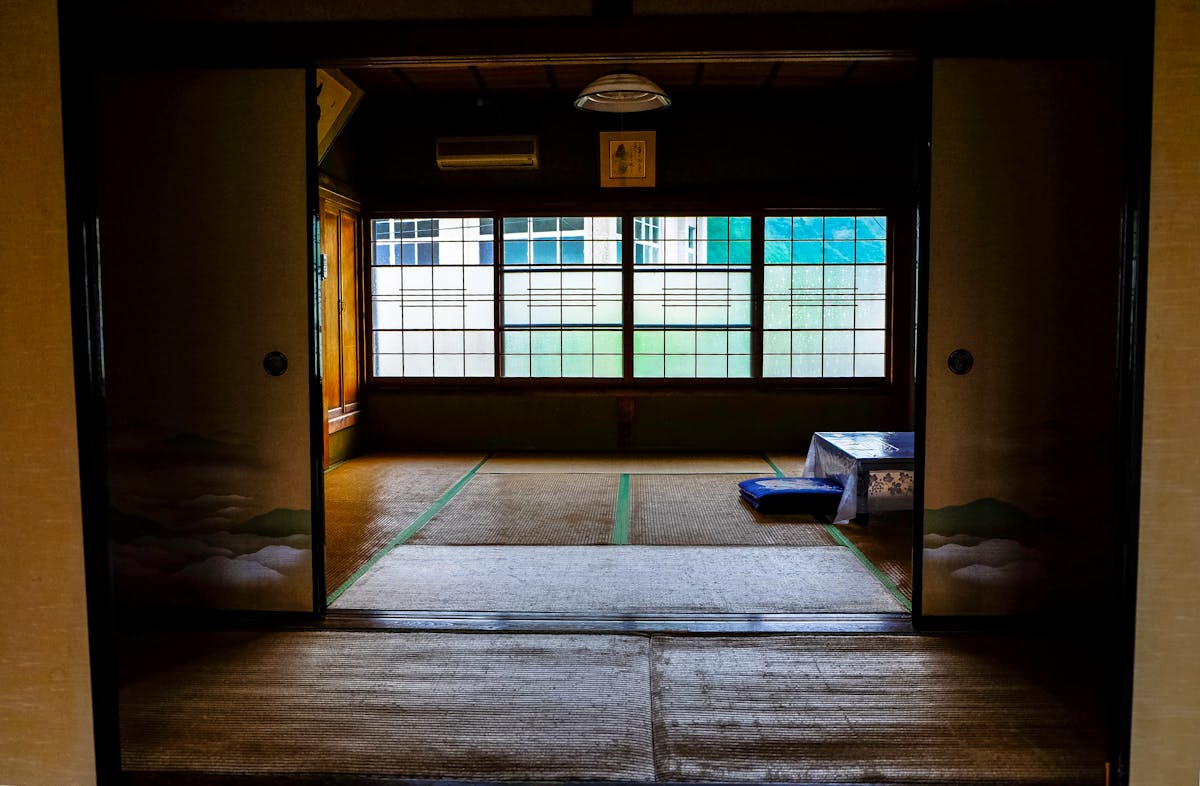
A ryokan stay is one of those Japan experiences that sounds intimidating but ends up being the highlight of the whole trip. Especially with kids. Futons on tatami floors, a multi-course dinner served in your room, yukata robes for the whole family, and a hot spring bath to end the day. Your kids will talk about it for years.
But not every ryokan works for families. Some have strict quiet-hours policies. Some don’t allow children under a certain age. Some have shared onsen that require everyone to be naked, which can be an issue depending on your kid’s comfort level. Picking the right one matters.
A ryokan is a traditional Japanese inn. You sleep on futons laid out on tatami mat floors. The rooms have sliding paper doors, low tables, and a simplicity that feels calming after the sensory overload of Tokyo or Osaka. Staff come to your room in the evening to set up the futons and again in the morning to pack them away.
Most ryokans include dinner and breakfast in the room rate. Dinner is usually kaiseki — a multi-course meal of seasonal Japanese dishes. Breakfast is a traditional Japanese spread: miso soup, grilled fish, rice, pickles, and egg.
Kids sleep on futons alongside you on the floor, which honestly works better than hotel beds for families. No risk of toddlers rolling off a high bed. No fighting over who gets which side. Everyone just spreads out on the tatami.
Expect to pay ¥25,000-60,000 per person per night including meals. That sounds steep, but remember it covers dinner and breakfast — two meals that would cost ¥5,000-10,000 per person at restaurants anyway.
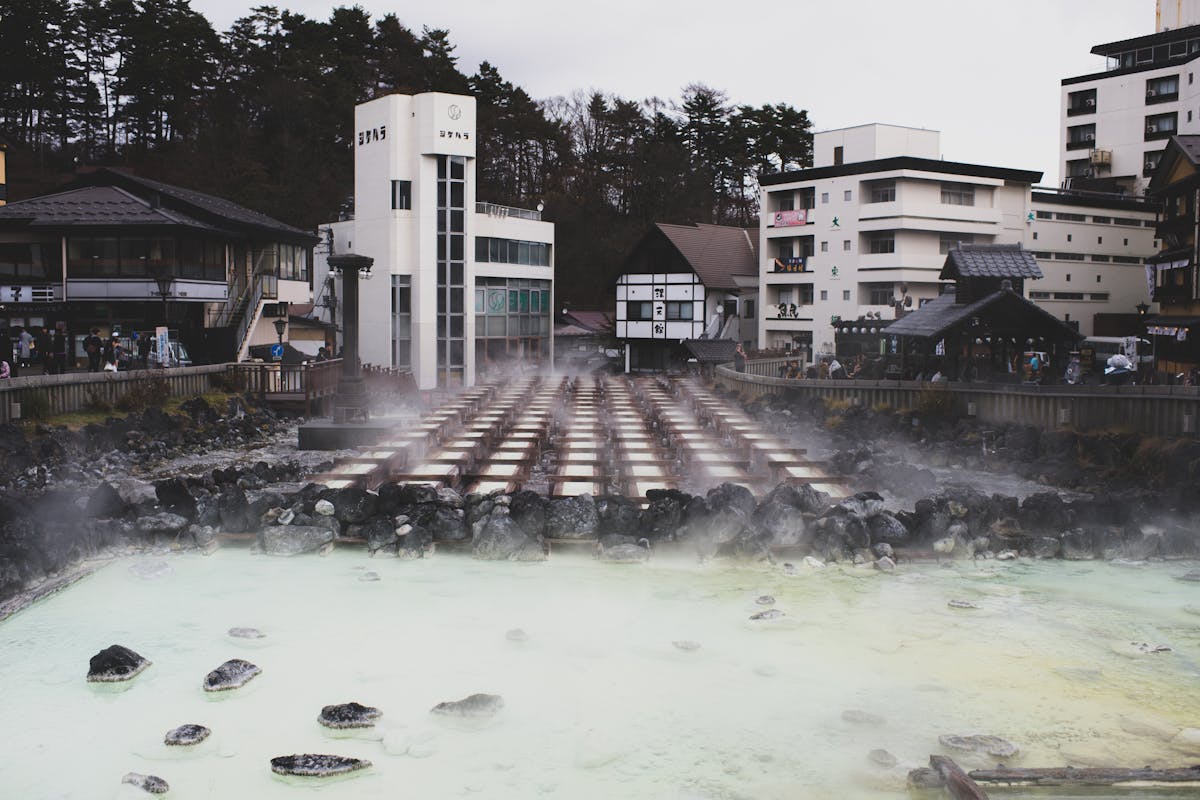
Most ryokans have an onsen (hot spring bath). This is often the part that makes parents nervous. Communal onsen are gender-separated and everyone bathes naked. For adults, it’s incredibly relaxing once you get over the initial awkwardness. For kids, it depends entirely on the child.
Some things to know:
If the communal bath situation doesn’t work for your family, look for ryokans with private onsen (kashikiri buro or family baths). These are smaller baths you can book privately for 30-60 minutes. Some ryokans have in-room private onsen — more expensive, but you can use it whenever you want without worrying about anyone else.
Hakone is a 90-minute train ride from Tokyo, making this the easiest ryokan trip for families based in the capital. Kowakien Tenyu has both indoor and outdoor onsen with views of the Hakone mountains, and every room has its own private open-air bath on the balcony. That last part is what makes it work so well for families — no communal bath stress, no scheduling, just step outside your room whenever you want.
Rooms run ¥35,000-55,000 per person including kaiseki dinner and breakfast. Kids’ meal options are available on request.
Kinsuikan sits on Miyajima Island, which is already one of the best day trips you can do in Japan with kids (the friendly deer, the floating torii gate, the ropeway to Mount Misen). Staying overnight means you get the island to yourself after the day-trippers leave — it’s a completely different experience.
The ryokan has both Japanese-style rooms and mixed Western-Japanese rooms with proper beds alongside tatami areas. Good option if your family isn’t sure about sleeping on futons. Private onsen available.
Around ¥30,000-45,000 per person with meals.
Togetsutei is right in Arashiyama, overlooking the Oi River. The location means you can walk to the bamboo grove and Monkey Park without needing any transport. Rooms facing the river are worth the upgrade — the view at sunset is something else.
They offer children’s kaiseki meals and can accommodate families in larger rooms. The onsen here uses natural hot spring water and there are private bath options.
Around ¥35,000-50,000 per person.
This isn’t a single ryokan — it’s a whole town built around seven public onsen bathhouses. You get a pass at your ryokan that lets you walk between them all in your yukata and wooden geta sandals. The town is tiny, safe, and kids love the novelty of walking around in robes.
The Kinosaki tourism board has a guide to kid-friendly ryokans in the town. Most ryokans here are mid-range (¥20,000-35,000 per person with meals) and the whole experience is more relaxed than the high-end single-ryokan stays.
Getting there: about 2.5 hours from Kyoto or Osaka by train.
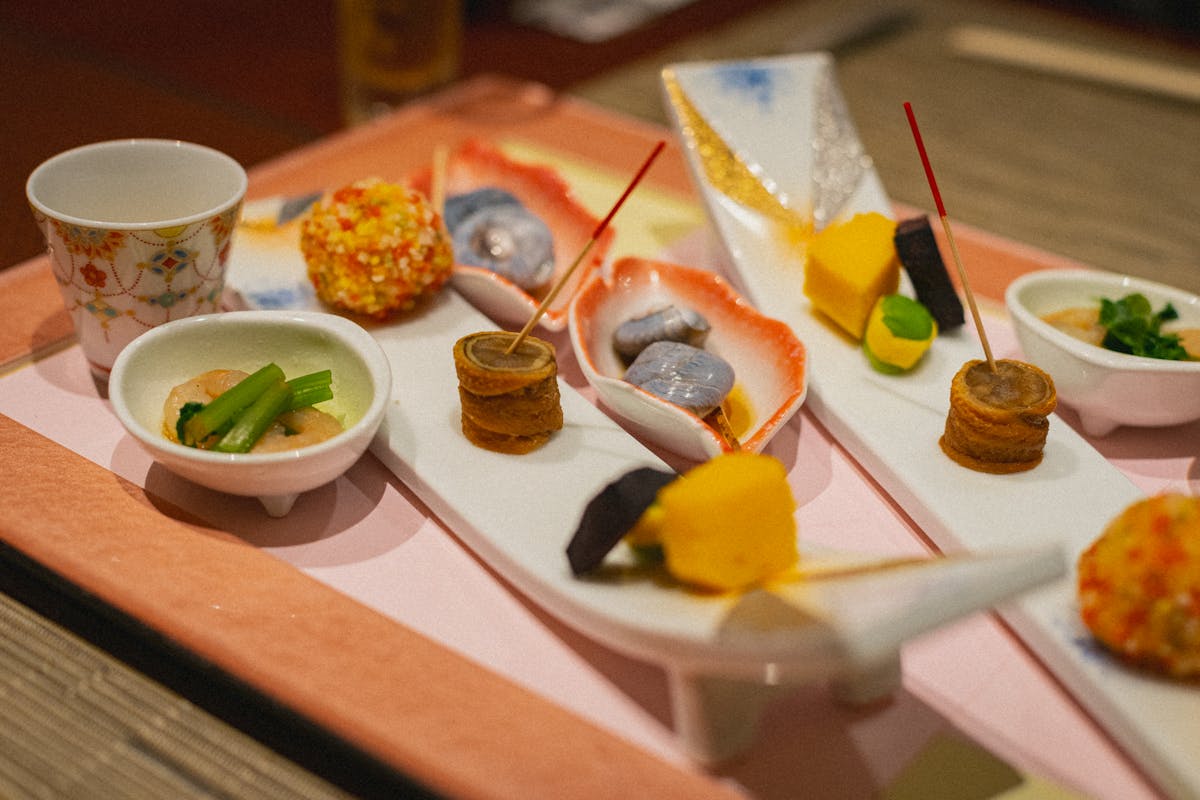
Kaiseki is the traditional multi-course dinner included at most ryokans. It’s beautiful, seasonal, and can involve 8-12 small courses. For adults, it’s a culinary highlight. For kids, it can go either way.
The courses typically include sashimi, grilled fish, tempura, simmered vegetables, rice, miso soup, and pickles. Adventurous eaters will love it. Picky eaters may struggle — there’s no chicken nuggets option.
Most family-friendly ryokans offer a children’s set meal that’s simpler: grilled fish or meat, rice, fried shrimp, and some vegetables. Ask when booking. Some ryokans prepare it automatically for guests under 12, others need advance notice.
One tip: if your kids are very picky, bring some backup snacks from a convenience store. There’s no shame in it. Better than a hungry child crying through a 90-minute dinner service.
Not all ryokans advertise as “family-friendly” but many will accommodate children if you ask. Here’s what to check:
Book on Booking.com or Rakuten Travel. Both have good ryokan selections and let you filter by family-friendly features. Book early — the best family ryokans fill up months in advance, especially for weekends and school holidays.
A ryokan costs more than a standard hotel. That’s just the reality. But for one or two nights during a Japan trip, the experience justifies the cost in a way that few other splurges do.
Your kids won’t remember the thirty-seventh hotel room of their childhood. They will remember sleeping on the floor in matching robes, eating a dinner that arrived course by course on beautiful plates, and soaking in a hot spring while snow fell outside.
We’d suggest building one or two ryokan nights into a Japan trip itinerary — Hakone works as a day trip from Tokyo, or stay overnight in Kinosaki if you’re already in the Kyoto/Osaka area. It doesn’t have to be the whole trip. Just enough to taste it.