Physical Address
304 North Cardinal St.
Dorchester Center, MA 02124
Physical Address
304 North Cardinal St.
Dorchester Center, MA 02124

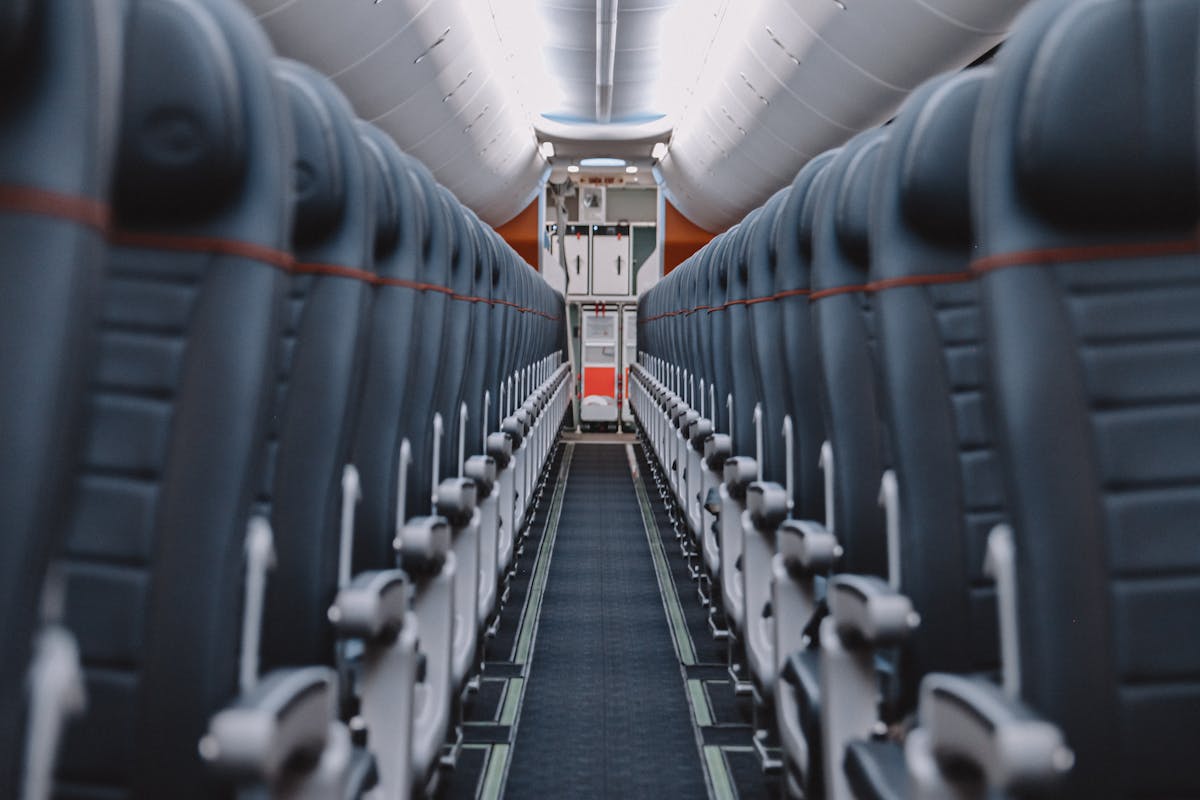
The flight to Japan is long. There’s no getting around that. But here’s the thing — it’s one of the most family-friendly long-haul routes you can fly, with incredible airlines, solid direct options from both coasts, and a destination so worth it that even the grumpiest toddler meltdown at hour nine won’t make you regret the trip.
We’ve done this flight multiple times with our kids at different ages, and we’ve learned a lot about what works, what doesn’t, and where to save money without losing your mind. Here’s everything you need to know about flying to Japan with kids from the US.
From the West Coast — Los Angeles, San Francisco, Seattle — you’re looking at 10 to 12 hours depending on the route and wind conditions. Not short, but manageable. Especially if you’ve ever done a transatlantic flight to Europe, this is in the same ballpark.
From the East Coast — New York, Boston, Washington DC — it’s 13 to 14 hours on a direct flight. That’s a genuine endurance test with small kids. Worth it? Absolutely. But you’ll want to prepare.
The return flight is typically an hour or two shorter thanks to tailwinds. Small comfort when you’re chasing a toddler up the aisle, but we’ll take any win we can get.
This is where the Japan route really shines compared to other long-haul destinations. You have options. Good ones.
ANA (All Nippon Airways) and JAL (Japan Airlines) are the gold standard for families. We’re not exaggerating. The service on these airlines is on a completely different level from what most American families are used to. Flight attendants who genuinely want to help with your kids. Children’s meals that are actually thoughtful — not just a sad pizza square. Entertainment systems loaded with kid-friendly content in English and Japanese. Bassinets available for babies under two (request at booking, limited quantity). Hot towels, slippers, blankets that don’t feel like sandpaper. Both airlines fly direct from LAX, SFO, Seattle, Chicago, New York JFK, and several other US cities.
If you can fly ANA or JAL, do it. The price difference versus US carriers is often small, and the experience gap is enormous.
United, Delta, and American all fly direct routes to Tokyo from their respective hubs. They’re fine. Perfectly adequate. The planes are usually newer widebodies with decent entertainment. But the service and attention to families doesn’t compare to the Japanese carriers. Not even close.
Hawaiian Airlines flies from Honolulu to Tokyo, which is a great option if you’re combining a Hawaii and Japan trip. Shorter flight from Hawaii too — only about 8 hours.
Zipair deserves its own mention. This is JAL’s budget subsidiary flying from LAX and SFO to Tokyo Narita. Fares run $400 to $500 one way, which sounds incredible. And it is — if you know what you’re getting into. No free meals. No free checked bags. No free seat selection. No entertainment system. Seats are fine but tight. For a family of four, once you add bags, meals, and seat assignments, the savings shrink. But if your kids are old enough to watch a tablet for 11 hours and you pack your own food, Zipair can save you real money. Just go in with eyes open.
Prices fluctuate constantly, but here are realistic ranges for economy round-trip tickets on full-service airlines:
West Coast to Tokyo: $600 to $900 per person. During peak seasons like cherry blossom (late March through mid-April) and fall foliage (November), expect the higher end. Book early for those windows.
East Coast to Tokyo: $800 to $1,200 per person. The extra distance and fewer direct options push prices up.
Multiply by four or five family members and yes, the airfare alone is a significant chunk of your Japan budget. We get it. A few things that help: book 3 to 5 months ahead for the best prices, be flexible on travel dates by even a day or two, and check out our guide on how to get cheap flights right now for specific strategies that actually work.
Kids under two can fly on your lap. On domestic US flights, that’s free. On international flights to Japan, you’ll pay roughly 10% of the adult fare — so maybe $80 to $120 round trip. A bargain compared to a full seat, though holding a squirmy one-year-old for 11 hours is its own kind of adventure. If you can afford the extra seat for a baby over six months, your back and sanity will thank you.
Tokyo has two airports, and which one you fly into makes a real difference when you’re traveling with tired kids.
Haneda Airport (HND) is the one you want. It’s 30 minutes from central Tokyo by train or taxi. That’s it. You land, clear customs, hop on the monorail, and you’re at your hotel before the kids fully process that they’re in a different country. Haneda also has more late-night and early-morning flights, which means you might arrive at a time that actually helps with jetlag.
Narita Airport (NRT) is 60 to 90 minutes from central Tokyo. Sometimes longer with traffic. After 12 hours on a plane with kids, that extra hour in a bus or train feels like cruel punishment. Narita is fine — the airport itself is modern and easy to navigate — but the distance is brutal when everyone is exhausted.
If you have a choice between the two at similar prices, pick Haneda every single time. If Narita is significantly cheaper? That’s a judgment call. For us, the convenience of Haneda is worth an extra $50 to $100 per ticket without question. With three kids in tow, getting to the hotel fast is not a luxury. It’s survival.
Japan is far ahead of every US timezone. Thirteen hours ahead of the East Coast, 16 or 17 hours ahead of the West Coast. That’s basically the opposite side of the clock. Your body thinks it’s 3am when it’s dinnertime in Tokyo.
Here’s what works for us. Not theory — actual tested-with-real-children strategy.
Book a flight that arrives in the evening Japan time. Many direct flights from the US land between 3pm and 8pm local time. This is ideal. You arrive, get to your hotel, maybe grab a quick dinner at a nearby convenience store (Japanese convenience store food is legitimately good), and crash. Everyone sleeps until morning because they’re exhausted. Day one: done.
Keep the kids awake until at least 8pm local time on arrival day. This is the hardest part and it matters the most. If they fall asleep at 4pm, they’ll be wide awake at 2am and your whole trip starts sideways. Walk around the neighborhood. Find a playground. Get ice cream. Whatever it takes.
Get morning sunlight on day two. Drag everyone outside early. Eat breakfast. Walk. Sunlight resets the internal clock faster than anything else.
Expect 2 to 3 days of adjustment. The first morning, someone will wake up at 4am wired. By day three, most kids are sleeping normally. Adults take a bit longer. Coffee helps. Japan has incredible coffee shops everywhere, so at least that part is easy.
Don’t try to pre-adjust sleep schedules before you leave. We’ve tried. It doesn’t work with kids who have school, activities, and strong opinions about bedtime. Just power through on arrival.
Your hand luggage strategy can make or break a 12-hour flight with kids. We’ve refined our list over multiple trips.
Tablets and headphones. Non-negotiable. Load them up with movies, shows, and games before you leave. Download everything — don’t rely on in-flight WiFi. Bring kid-sized headphones with volume limiters and a backup pair. Headphones break at the worst possible moments.
Snacks. More than you think you need. Goldfish crackers, granola bars, dried fruit, gummy bears for bribery purposes. The airline meals come on a schedule that won’t always match when your kids are hungry. Having snacks means you’re never hostage to the meal cart.
A change of clothes for every kid. Spills happen. Turbulence happens. Worse things happen. Pack a full outfit in a ziplock bag for each child and one for yourself. You will use it eventually.
An empty water bottle. Fill it after security. Plane air is dry and kids forget to drink. Having their own bottle makes a difference.
A few small toys or activity books. Not the whole playroom. Two or three things they haven’t seen before. Novelty buys you time. Sticker books work wonders for the 3 to 6 age range.
Comfort items. Favorite stuffed animal, blanket, whatever helps them sleep. Don’t pack these in checked luggage. Ever.
Gate-check your stroller for free. Every airline on this route allows it and you’ll want the stroller in the airport on both ends. Japanese airports are large and the walks between gates, customs, and transit are long.
Car seats? Leave them home. You don’t need a car seat in Japan. Taxis and trains are the primary transportation, and Japanese law doesn’t require car seats in taxis. You won’t be renting a car in Tokyo — trust us on that — and if you do rent one in the countryside, rental companies provide child seats. One less bulky thing to drag through airports.
For getting around Japan once you land, trains are king. Check out our Japan Rail Pass guide for families to figure out whether the pass makes sense for your trip. And if you’re figuring out where to base yourselves, our Tokyo neighborhood guide for families breaks down the best areas by what matters to parents.
Yes. Unequivocally. Japan is the most family-friendly country we’ve ever visited, and we’ve been to a lot of places. The food is incredible. The trains run on time to the second. Everything is clean. People are kind to children in a way that goes beyond polite. Vending machines on every corner. Convenience stores that are actually convenient. Playgrounds built into department stores. Kid-sized everything.
The flight is long. Pack well, choose a good airline, fly into Haneda, and lean into the adventure. Your kids will remember this trip for the rest of their lives. The 12 hours on the plane? They’ll forget that part by day two.