Physical Address
304 North Cardinal St.
Dorchester Center, MA 02124
Physical Address
304 North Cardinal St.
Dorchester Center, MA 02124

Let’s get straight to it. A family trip to Japan is expensive. Flights, hotels, food, entrance fees — it all adds up fast, and the domestic transportation costs can genuinely shock you if you haven’t done the math ahead of time. The Japan Rail Pass (JR Pass) is one of those travel purchases that sounds like a great deal, but whether it actually saves your family money depends entirely on your itinerary. I’ve broken down the real numbers, the kid-specific pricing, and the situations where you should skip it entirely.
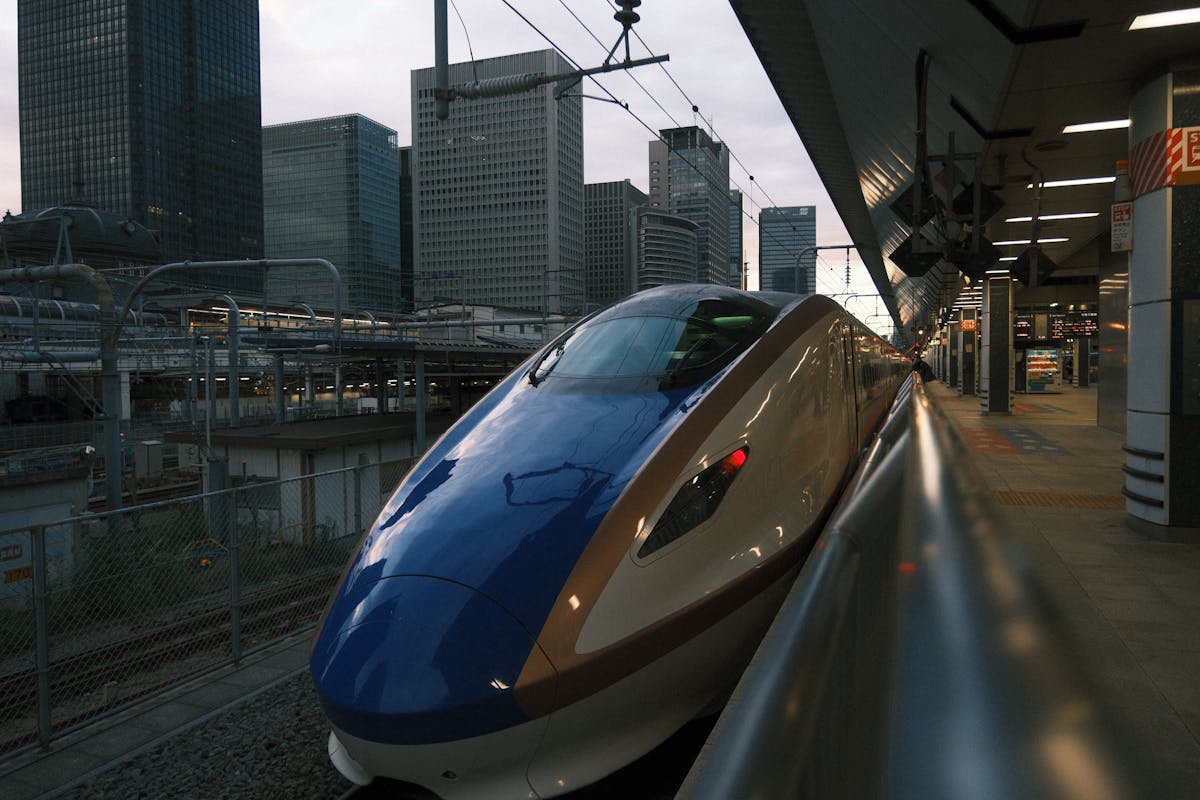
The JR Pass is a flat-rate rail ticket sold exclusively to foreign travelers visiting Japan on a temporary visitor visa. It covers virtually all Japan Railways (JR) lines across the country — local trains, express trains, and yes, the famous shinkansen bullet trains. You buy it for a set number of days (7, 14, or 21), and during that window, you ride as much as you want.
That’s the appeal. No fumbling with ticket machines in Japanese. No queueing at counters before every trip. No watching your budget evaporate one ¥14,000 ticket at a time. You just flash the pass and walk through the staffed gate.
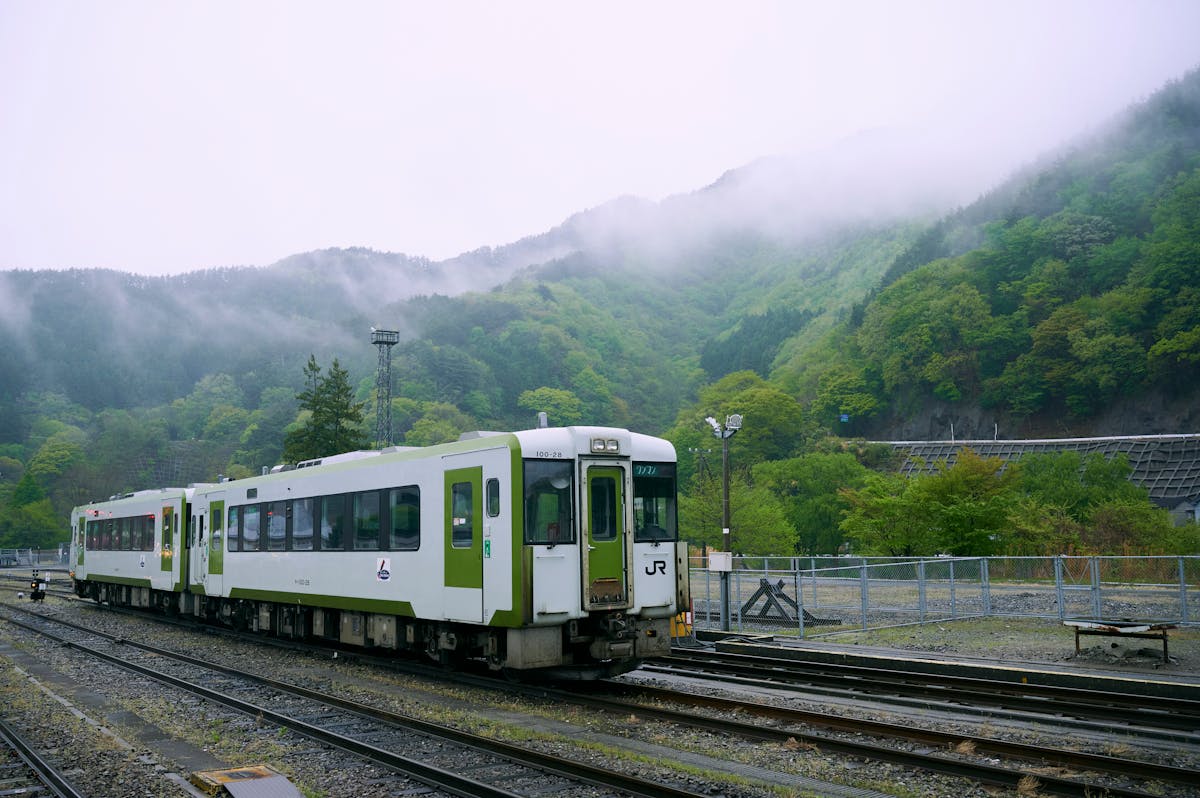
It also covers JR buses in certain areas, the JR ferry to Miyajima Island, and some JR-operated local lines in cities. It does not cover private railways, subways, or city buses — those are separate. But for getting between cities, the JR Pass is the big one.
One important catch: the pass doesn’t work on Nozomi or Mizuho shinkansen services. Those are the absolute fastest bullet trains on the Tokaido and Sanyo lines. I’ll explain why this matters less than you think in a minute.
Here’s where it gets interesting for families. Japan’s train system has straightforward child pricing rules:
So if you’re traveling with a 4-year-old and a 9-year-old, you’re buying two adult passes and one child pass. The 4-year-old rides free. That’s a significant saving compared to, say, Europe, where kids’ rail discounts are often stingier.
The JR Pass had a major price increase in late 2023, which made the math tighter than it used to be. Here’s what you’re looking at now:
At current exchange rates, a 7-day adult pass runs roughly $330-$350 USD, depending on the day. Not cheap. But individual shinkansen tickets aren’t cheap either, which is the whole point.
You can purchase the pass online through the official JR Pass website or through authorized agents. I’d recommend buying before you arrive — it’s slightly more straightforward, and you can activate it at a JR ticket office on whatever day you choose after landing.
Let’s run real numbers. A one-way reserved-seat ticket on the shinkansen from Tokyo to Kyoto costs approximately ¥14,170 for an adult. Round trip, that’s about ¥27,000 — and you haven’t gone anywhere else yet.
Now add a day trip from Kyoto to Hiroshima. That’s roughly ¥11,000 each way, so ¥22,000 round trip. Already you’re at ¥49,000 in shinkansen fares alone, just for those two return journeys. The 7-day pass is ¥50,000. It’s basically paid for itself, and you still have five days of unlimited travel left.
Throw in a day trip to Nara (covered by JR), a ride to Osaka, or a trip up to Hakone, and you’re well into profit territory. For a family of two adults and two children (ages 6-11), you’re looking at ¥150,000 for 7-day passes versus easily ¥140,000+ in individual tickets if you’re doing a multi-city trip. The pass wins — and gives you flexibility to take spontaneous detours.
That flexibility part matters more than people realize when traveling with kids. Plans change. Someone’s tired. Someone saw a cool castle from the train window and wants to stop. With the pass, you just… go.
I want to be honest here because too many travel blogs treat the JR Pass like it’s always a no-brainer. It isn’t.
Skip the JR Pass if you’re only staying in Tokyo. The pass covers JR lines within Tokyo (like the Yamanote Line), but a regular Suica/Pasmo IC card is way more practical for city travel. You’d never ride enough JR trains within Tokyo alone to justify ¥50,000.
Skip it if you’re only doing a Tokyo-Osaka round trip and nothing else. Tokyo to Osaka by shinkansen is about ¥13,870 one way. Round trip is ~¥27,740. That’s roughly half the cost of a 7-day pass. Unless you’re adding day trips on top, individual tickets are cheaper.
Skip it if your trip timing is awkward. If you arrive in Tokyo on Monday but don’t leave for Kyoto until Thursday, and you’re flying home the following Tuesday, a 7-day pass starting Thursday means you’re only getting five days of real use. Count your actual travel days carefully.
The JR Pass website has a calculator, and I’d strongly suggest using it with your specific itinerary before purchasing.
Here’s a tip that saves some families a lot of money. JR also sells regional passes that cover specific areas at a fraction of the national pass price.
The JR Kansai Area Pass, for example, covers unlimited travel around Kyoto, Osaka, Nara, and Kobe for as little as ¥2,400 per day. The JR East Tohoku Area Pass is brilliant if you’re heading north from Tokyo. The JR Kyushu Pass is perfect for exploring the southern island.
If your itinerary is focused on one region with just one or two long-distance rides, a combination of a regional pass plus individual shinkansen tickets can beat the national pass on price. It requires more planning, sure. But with kids along, you’re already planning everything down to the nearest bathroom anyway.
This trips people up. The JR Pass doesn’t cover the Nozomi shinkansen, which is the fastest service on the Tokyo-Kyoto-Osaka-Hiroshima corridor. Sounds like a big deal. It really isn’t.
The Hikari shinkansen covers the same route and is included with the JR Pass. The time difference? Tokyo to Kyoto on a Nozomi takes about 2 hours 15 minutes. On a Hikari, it’s roughly 2 hours 35 minutes. Twenty extra minutes.
With kids, you won’t even notice. Those twenty minutes are twenty more minutes of watching the countryside blur past at 270 km/h, which frankly is the highlight of most children’s entire Japan trip. My kids talked about the shinkansen more than any temple we visited. Take the Hikari. It’s fine.
Reserve your seats. This is free with the JR Pass, and you’d be foolish not to do it. Walk into any JR ticket office (called “Midori no Madoguchi” — look for the green signs), hand over your pass, and request reserved seats for your next trip. This guarantees your family sits together. On busy routes during peak season, unreserved cars can get packed, and standing for two hours with a six-year-old is nobody’s idea of fun.
Buy ekiben at the station. Station bento boxes are one of Japan’s greatest inventions. Every major station has vendors selling beautiful, reasonably priced lunch boxes — typically ¥800 to ¥1,200. Kids love them because they come in fun containers, sometimes shaped like trains or local characters. Grab them before you board. Eating on the shinkansen is totally normal and expected; there are fold-down tray tables just like on a plane.
Pack your own snacks too. Convenience stores (7-Eleven, Lawson, FamilyMart) near every station sell onigiri, sandwiches, juice boxes, and treats. A konbini run before a long train ride is a family travel ritual in Japan at this point.
Know where the toilets are. Shinkansen trains have clean, well-maintained toilets in every other car or so. Look for the pictogram signs above the aisle. Most also have a larger, accessible toilet that works well for parents helping small children. On older local trains, facilities vary — make a bathroom stop at the station before boarding regional lines.
Bring something to do. A loaded tablet, a coloring book, sticker sheets — whatever works for your kid. The shinkansen is smooth and quiet, which helps, but two hours is two hours. That said, the scenery between Tokyo and Kyoto is genuinely gorgeous, and on a clear day, you’ll see Mount Fuji from the right side of the train (sit on the south/right side heading west from Tokyo, seats D and E).
Strollers are fine. Japan’s trains are stroller-friendly, especially shinkansen. There’s luggage space behind the last row of seats in each car — reserve those seats if you have a stroller or large bags. On local trains in cities, elevators exist in most stations, though finding them sometimes requires a bit of wandering.
For a family doing the classic Tokyo-Kyoto-Osaka route with a couple of day trips mixed in, the 7-day JR Pass is worth it. Full stop. The savings are real, the convenience is massive, and the freedom to hop on any JR train without thinking about cost changes how you travel. Add in half-price kids’ passes and free rides for under-6s, and the value only gets better for families.
But don’t buy it on autopilot. Run the numbers for your specific trip. If you’re Tokyo-only, or your itinerary is light on train travel, individual tickets or a regional pass will serve you better.
Already sorting out your Japan trip? Check out our breakdown of Tokyo Disneyland vs. DisneySea with kids to figure out which park deserves your day. And if you haven’t booked flights yet, here’s how we find cheap flights — because saving ¥50,000 on trains doesn’t help much if you overpaid to get there.