Physical Address
304 North Cardinal St.
Dorchester Center, MA 02124
Physical Address
304 North Cardinal St.
Dorchester Center, MA 02124

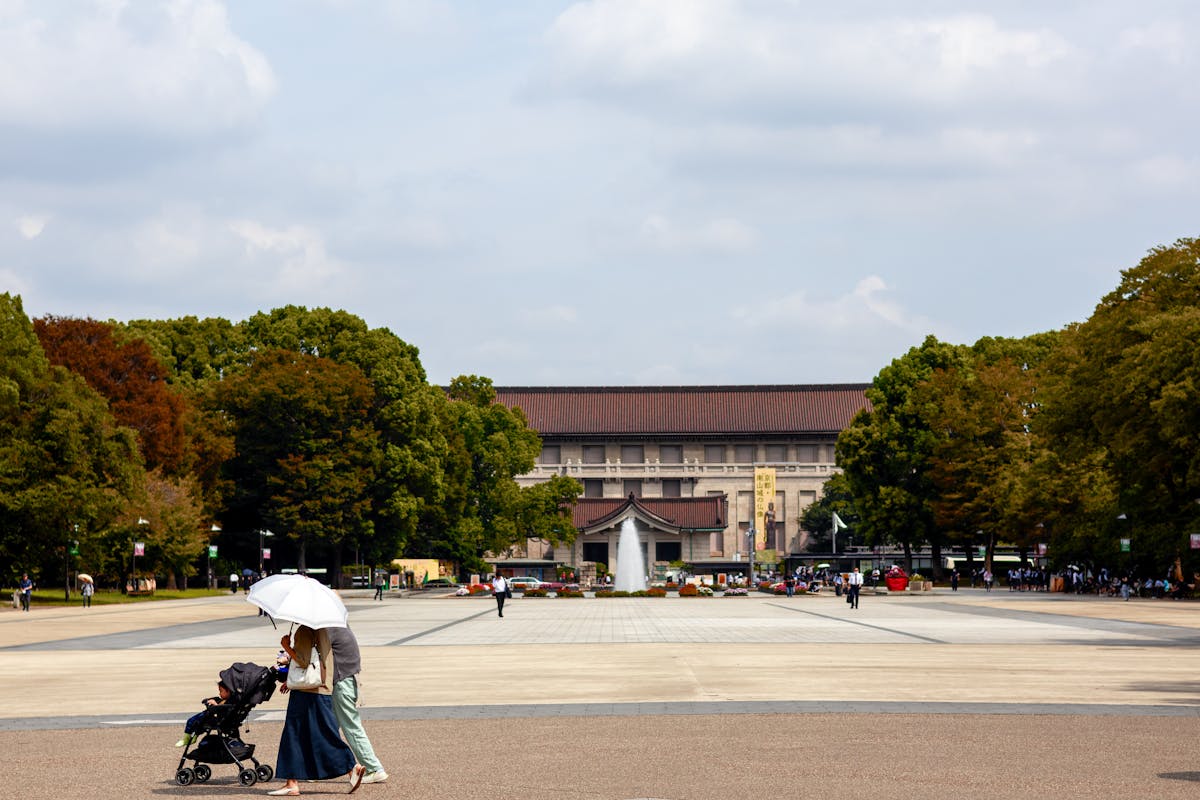
We took our first trip to Japan when our youngest was 18 months old. People thought we were out of our minds. “Japan? With a toddler? Why would you do that to yourselves?” We get it. The 10+ hour flight. The jet lag. The language barrier. On paper, it sounds like a terrible idea.
It wasn’t. Not even close.
Japan turned out to be one of the easiest countries we’ve ever traveled with a toddler, and we’d go back tomorrow. Here’s the thing most people don’t realize until they’re actually there with small kids: the entire country is basically designed for families. It’s spotlessly clean. It’s absurdly safe. And the Japanese genuinely love children. Strangers will wave at your toddler on the train, shopkeepers hand them little treats, elderly women will tell you (through gestures and warm smiles) how cute your kid is. We’ve never gotten a warmer reception anywhere.
If you’re on the fence about bringing your one, two, or three-year-old to Japan, stop overthinking it. This guide covers everything we learned the hard way so you don’t have to.
Every toddler parent asks this first: can I bring a stroller?
Yes. But also bring a baby carrier. You need both.
Japanese trains have priority areas near the doors where strollers are welcome. Nobody gives you dirty looks for having one. The trains are incredibly smooth, so your toddler might even fall asleep in there. The problem isn’t the trains themselves. It’s getting to the platform.
Elevators exist in almost every station. Finding them is a different story. Some are tucked behind ticket gates on the far side of the station. Others require you to walk through a specific exit, loop around, and come in from a different entrance entirely. We once spent a solid ten minutes trying to locate an elevator in Shinjuku Station, which felt like navigating a small underground city.
Our recommendation: bring a lightweight umbrella stroller that folds with one hand and can be carried up stairs when needed. Something cheap and compact. Leave the fancy jogger at home. For shrines, temples, cobblestone streets, and packed shopping areas, strap on a carrier instead. We alternated between the two constantly and it worked perfectly.
This is where most parents mess up their Japan trip. They plan a Tokyo itinerary like they’re traveling without kids. Six stops. Three neighborhoods. A dinner reservation at 7 PM.
With a toddler? No. Just no.
Plan one, maybe two activities per day. That’s it. We know that sounds painfully slow when you’ve flown halfway around the world, but trust us. A well-rested toddler in Japan is a happy toddler, and a happy toddler means you actually enjoy the things you do get to see.
We structured every single day around nap time. Morning activity, back to the hotel by noon for a nap, then one more outing in the late afternoon. Were there days we squeezed in more? Sure. Were those the days that ended in spectacular public meltdowns? Also yes.
Book a hotel where you can do midday naps comfortably. This matters more than location, more than price, more than how close you are to the subway. More on that below.
Good news here. Japanese food is incredibly toddler-friendly. Like, shockingly so. Plain white rice is everywhere. Udon noodles are soft, mild, and easy for little hands (or faces) to manage. Tamagoyaki — that sweet rolled egg you see at every breakfast buffet — was our kid’s absolute favorite. Karaage (Japanese fried chicken pieces) are basically fancy chicken nuggets. Edamame shows up as a side dish at almost every restaurant.
Your toddler will eat well. Probably better than at home, honestly.
The real lifesaver, though, is convenience stores. 7-Eleven, Lawson, and FamilyMart are on literally every block, and they stock onigiri rice balls (~150 / each), banana bread, steamed buns, yogurt drinks, and plain rice packs. We grabbed breakfast from a konbini at least half the mornings. Quick, cheap, and the kid was happy.
One tip we can’t stress enough: bring some familiar snacks from home. Goldfish crackers, pouches, whatever your toddler reliably eats. Not because you can’t find food in Japan — you absolutely can — but because you’ll want a guaranteed win in your bag for emergencies. That 4 PM train meltdown hits different when you’ve got nothing they’ll eat.
For a deeper breakdown on what to order and where, check out our full guide to eating in Japan with kids.
First-time-to-Japan parents always ask us how many diapers to bring. Our answer: enough for the flight and the first day. That’s it.
Japanese diapers are everywhere. Drug stores like Matsumoto Kiyoshi and Sundrug, supermarkets, convenience stores, even some vending machines in tourist areas. And here’s the kicker — Japanese brands are better than what we use at home. Merries and Moony are softer, thinner, and hold more. We started buying extra packs to bring home with us.
A pack of Merries runs about ~1,200-1,500 depending on the size and store. Sizing runs a touch smaller than American brands, so go one size up if your toddler is between sizes.
Don’t waste precious suitcase space hauling a whole trip’s worth of diapers across the Pacific. Use that room for souvenirs instead.
This is where Japan absolutely destroys every other country for traveling with babies and toddlers. Baby rooms.
They’re in department stores, train stations, malls, airports, and tourist facilities. And we’re not talking about a sad fold-down changing table crammed into a bathroom stall. We’re talking private nursing rooms with comfortable chairs. Hot water dispensers for mixing formula. Clean changing stations with disposable liners. Some even have small play areas, vending machines with baby supplies, and microwaves for warming food.
The baby room on the fifth floor of Takashimaya in Shinjuku had nicer furniture than our living room. Not exaggerating.
Look for signs that say “baby room” or show a baby icon. Department stores almost always have them on an upper floor near the children’s clothing section. In train stations, they’re usually near the accessible restrooms. We never went more than an hour or two without finding one when we needed it.
For parents who are bottle-feeding or nursing, this is a game-changer. You always have a clean, private, comfortable place to stop.
Forget the temple-heavy itineraries. Your toddler doesn’t care about Zen gardens. Here’s what actually works for the under-three crowd.
Japanese parks are on another level. Even small neighborhood parks have creative play structures, clean sandboxes, and springy rubber flooring. Bigger parks like Yoyogi in Tokyo or Maruyama in Kyoto are perfect for letting your toddler run wild while you sit on a bench and just breathe for a minute. Free, beautiful, and exactly what tiny kids want to do.
If your toddler isn’t already obsessed with trains, they will be after Japan. Shinkansen, local commuter lines, monorails, the Yurikamome line in Tokyo — our kid would have been happy riding trains all day and doing absolutely nothing else. Some days that’s exactly what we did.
The train station viewing decks at Tokyo Station are free and wildly entertaining for a two-year-old. Stand there for twenty minutes and watch bullet trains pull in and out. Cheap entertainment at its finest.
Osaka Aquarium Kaiyukan is world-class and kept our toddler mesmerized for two solid hours. Admission is ~2,700 for adults, free for kids under 3. Ueno Zoo in Tokyo (~600 / for adults, free for kids under 12) has pandas and a petting area. Both are stroller-friendly and well set up for families.
Most travelers have no idea about this one. Many department stores in Japan have rooftop play areas with small rides, coin-operated trains, and little play structures. They’re usually ~100-200 (~$0.70-$1.30) per ride. Perfect for killing an hour when everyone needs a break. Ask at the information desk or just ride the elevator to the top floor and look around.
We love temples and shrines. We really do. But dragging a toddler through a 45-minute temple visit where they need to be quiet, can’t touch anything, and have to walk on gravel paths that destroy stroller wheels? Hard pass. Do one quick shrine visit for photos if you want, but don’t build your whole trip around them.
Also skip: crowded shrines like Fushimi Inari during peak hours. Narrow paths, steep stairs, zero toddler appeal. Anything that requires your child to sit quietly for more than ten minutes. Tea ceremonies. Formal kaiseki dinners. You know your kid.
And — this is a strong opinion but we’ll stand by it — skip DisneySea if you’re choosing between the two Tokyo Disney parks.
DisneySea is a beautiful park, but it skews older. Fewer rides for little kids, more walking between areas, and the theming is more “impressive” than “fun for a two-year-old.” Disneyland has Fantasyland, Toontown, and way more rides that toddlers can actually go on. We break down the full comparison in our Tokyo Disneyland vs DisneySea with kids guide. If you only have time for one park, Disneyland wins for this age group. Not close.
Your hotel choice matters way more with a toddler than it does when you’re traveling as adults. Three things to prioritize: space, a kitchen or kitchenette, and the ability to do midday naps without the whole family sitting in the dark on their phones for two hours.
Our top pick for families with toddlers. MIMARU has locations across Tokyo, Kyoto, and Osaka. You get a full kitchen, a separate sleeping area, a washing machine, and actual living space. Rates start around ~15,000-25,000 per night depending on location and season. Having a kitchen means you can prep simple meals, warm up milk, and store snacks. The extra space means nap time doesn’t trap you in a dark closet.
Toddlers and tatami rooms are a surprisingly great match. Think about it. The whole floor is the bed. No worrying about rolling off anything. No crib needed. Your toddler can crawl, roll, and sprawl across the futon setup and it just works. Many ryokans serve dinner in-room, which means no stressing about restaurant behavior with a tired kid. Look for family-friendly ryokans that specifically welcome small children — not all do, so check before booking.
Standard Japanese business hotels. The rooms are tiny. We’re talking 12-15 square meters. A double bed that touches both walls. Nowhere to put a portable crib, no space for your toddler to play, and nap time means everyone huddles in silence together in the dark. Spend the extra money on a MIMARU or apartment rental. Your sanity is worth it.
For specific neighborhood breakdowns and property recommendations, head to our Tokyo where to stay with kids guide.
Jet lag with a toddler is real. Expect 3-4 rough nights. Don’t plan anything ambitious for your first full day — just walk around the neighborhood, find a park, grab some food, and let everyone adjust.
Bring a portable sound machine. Hotel walls in Japan are thin, and street noise plus jet lag equals a toddler who wakes up at 3 AM ready to party.
Shoes come off constantly. Restaurants, temples, some shops, hotel rooms. Get your toddler slip-on shoes or velcro sneakers. No laces. You’ll be taking those shoes on and off ten times a day.
Japanese toilets will fascinate and terrify your toddler in equal measure. Heated seats are a hit. The sudden bidet spray is not. Guard the buttons.
Kids under 6 ride trains free. Your toddler doesn’t need a ticket — just walk through the wide gate at the ticket barrier together.
If you’re still planning your flights, we’ve got tips on flying to Japan with kids that cover seat selection, carry-on packing, and how to survive the long haul with a lap infant or toddler.
Japan with a toddler isn’t just doable. It’s wonderful. The cleanliness, the safety, the incredible food, the efficient transportation, and a culture that genuinely welcomes small children — it all adds up to one of the best international destinations you can pick for this age group.
You’ll move slower than you would without kids. You’ll see fewer temples. You’ll spend more time in parks and on trains than you ever imagined. And it’ll be one of the best trips you’ve ever taken.
Don’t wait until they’re older. Go now. Your toddler bumbling around a Japanese garden, pointing at trains, eating udon with their hands — that’s a memory worth making. Even if they won’t remember it, you will.